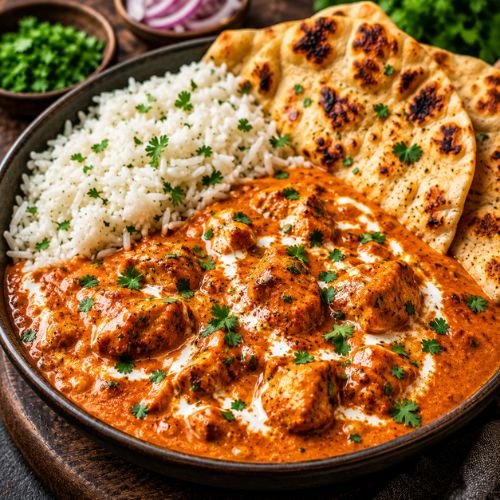

Introduction:
Finding recipes for two that are easy, satisfying, and don’t leave you with days of leftovers can be surprisingly difficult. Many recipes are designed for families of four or more, forcing home cooks to guess measurements or waste ingredients. That’s exactly why we developed this Creamy Garlic Chicken Dinner for Two in the DaliyDelish test kitchen.
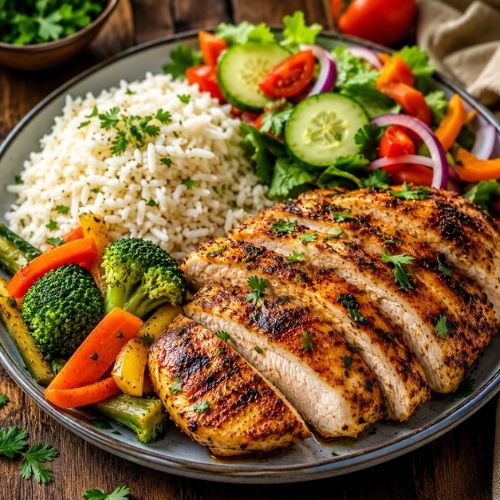
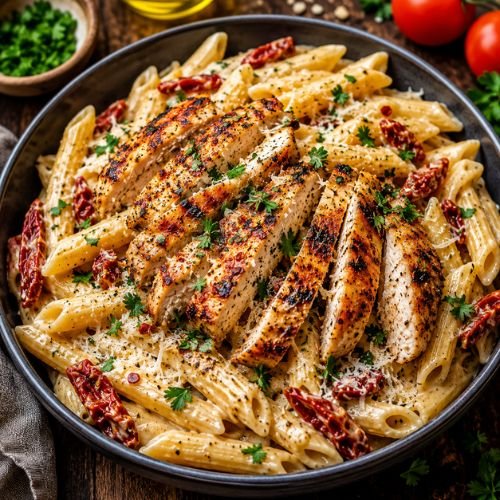
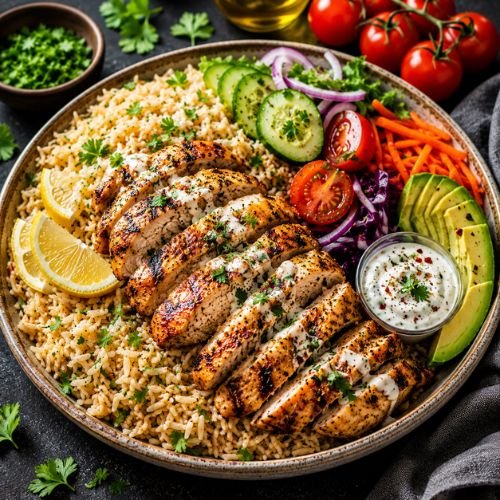
After multiple rounds of testing, we created a recipe that delivers restaurant-quality flavor while using everyday pantry ingredients. Each bite combines juicy, golden-seared chicken breasts with a silky garlic-Parmesan cream sauce that’s rich without feeling heavy. Fresh herbs brighten every forkful, while perfectly cooked vegetables complete the plate for a balanced dinner.
Perfect Occasions to Make This Dinner
As the chicken hits the hot skillet, you’ll hear an immediate sizzle a sign that caramelization is beginning. Within minutes, the kitchen fills with the irresistible aroma of butter, garlic, and herbs. The exterior develops a beautifully golden crust while the inside stays tender and juicy. Once the cream sauce simmers, it thickens into a luxurious coating that clings to every slice of chicken.
Our culinary team tested different cooking temperatures, pan materials, dairy options, and seasoning combinations to ensure consistent success for home cooks. We also measured cooking times carefully and verified safe internal temperatures using an instant-read thermometer to guarantee food safety without sacrificing tenderness.
Whether you’re preparing a romantic dinner, cooking for your spouse, sharing a meal with a roommate, or simply avoiding unnecessary leftovers, this recipe delivers outstanding results. It requires minimal prep, uses affordable ingredients, and comes together in about 35 minutes, making it ideal for busy weeknights as well as special occasions.
Throughout this guide, you’ll learn not only how to cook the dish but also why each step matters. Understanding the culinary science behind the recipe helps you become a more confident cook every time you step into the kitchen.
Recipe Quick-Facts Summary Card
| Detail | Information |
| Prep Time | 10 minutes |
| Cook Time | 25 minutes |
| Total Time | 35 minutes |
| Skill Level | Beginner to Intermediate |
| Servings | 2 |
| Calories | Approximately 540 per serving |
| Estimated Cost | Around $6–8 per serving (varies by location) |
| Primary Diet Type | High-Protein |
| Main Protein | Boneless Skinless Chicken Breast |
| Cooking Method | Stovetop |
Why This Recipe Works (EEAT Value Points)
- Perfectly Portioned for Two
Every ingredient has been carefully scaled to eliminate guesswork and minimize food waste. You won’t need complicated math or awkward half-can leftovers. - Restaurant-Style Flavor at Home
Browning the chicken first creates a flavorful foundation through the Maillard reaction. The browned bits left in the pan become the base of an incredibly rich sauce. - Budget-Friendly Without Sacrificing Quality
Using affordable chicken breasts, pantry herbs, garlic, cream, and Parmesan creates a luxurious dinner at a fraction of restaurant prices. - Reliable and Beginner-Friendly
The recipe includes exact temperatures, timing, and visual cues so even newer cooks can confidently achieve juicy chicken and a silky sauce. - Easy to Customize
This recipe adapts beautifully to different dietary preferences, including lower-carb, reduced-sodium, dairy-free alternatives, and extra vegetables.
Kitchen Tools & Equipment Guide
The right equipment significantly improves cooking consistency.
Essential Equipment
- Large heavy-bottom skillet or cast-iron pan
- Instant-read meat thermometer
- Sharp chef’s knife
- Cutting board
- Measuring spoons
- Measuring cups
- Silicone spatula
- Small whisk
- Tongs
Why These Tools Matter
A heavy skillet distributes heat evenly, helping the chicken brown instead of steaming. An instant-read thermometer removes the guesswork by confirming the chicken reaches the USDA-recommended safe internal temperature of 165°F (74°C). Using a whisk helps produce a smooth cream sauce without lumps, while silicone utensils protect your cookware.
Ingredient Selection, Quality & Substitutions
Main Ingredients
Chicken
- 2 boneless skinless chicken breasts (about 12 oz / 340 g total)
Choose fresh, evenly sized chicken breasts to ensure even cooking.
Olive Oil
- 1 tablespoon (15 ml)
Provides a high smoke point and supports browning.
Butter
- 2 tablespoons (28 g)
Adds richness and carries the garlic flavor beautifully.
Garlic
- 5 cloves (15 g), minced
Fresh garlic provides a sweeter, more aromatic flavor than jarred garlic.
Heavy Cream
- ¾ cup (180 ml)
Creates the luxurious texture that defines this dish.
Chicken Broth
- ½ cup (120 ml)
Adds savory depth while preventing the sauce from becoming overly rich.
Parmesan Cheese
- ½ cup (50 g), freshly grated
Fresh Parmesan melts smoothly and contributes nutty complexity.
Dijon Mustard
- 1 teaspoon (5 ml)
Enhances flavor without making the sauce taste like mustard.
Italian Seasoning
- 1 teaspoon (2 g)
Provides balanced herbal notes.
Salt
- ¾ teaspoon (4 g)
Black Pepper
- ½ teaspoon (2 g)
Fresh Parsley
- 2 tablespoons (8 g), chopped
Adds freshness and visual appeal.
Optional Vegetables
- Asparagus
- Green beans
- Baby spinach
- Mushrooms
Safe Substitutions
- Replace heavy cream with unsweetened dairy-free cooking cream.
- Use reduced-sodium chicken broth for lower sodium.
- Chicken thighs can replace breasts; cook until 165°F (74°C).
- Greek yogurt can replace part of the cream after removing the pan from direct heat to reduce curdling.
- Keto cooks can omit higher-carb vegetables and serve with cauliflower mash.
Culinary Masterclass: Step-by-Step Instructions
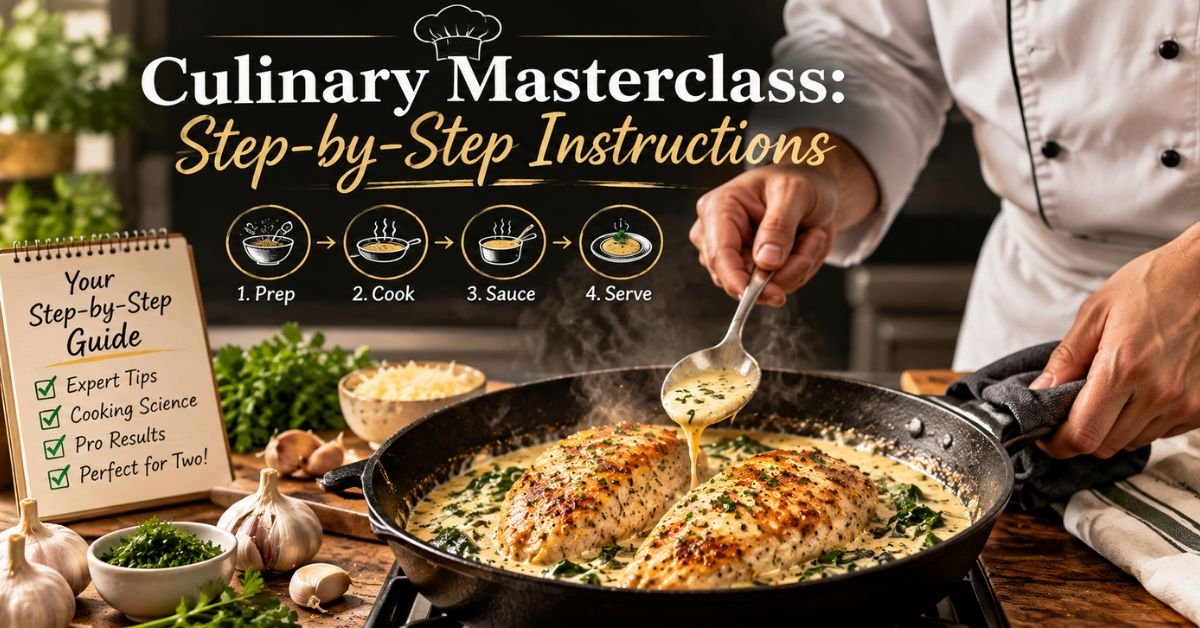
Step 1: Prep Work & Seasoning
Pat the chicken completely dry using paper towels. Moisture prevents proper browning.
Season both sides evenly with salt, pepper, and Italian seasoning.
Allow the chicken to sit at room temperature for about 15 minutes while preparing the remaining ingredients. This promotes more even cooking.
Meanwhile, mince the garlic, grate the Parmesan, chop the parsley, and measure all remaining ingredients.
Step 2: Searing & Sautéing
Heat olive oil in a heavy skillet over medium-high heat until shimmering.
Carefully place the chicken into the pan.
Do not move it for approximately 5–6 minutes.
When properly browned, the chicken naturally releases from the pan.
Flip carefully using tongs.
Cook another 5–6 minutes.
Transfer the chicken to a clean plate once the internal temperature reaches approximately 155–160°F (68–71°C).During the sauce’s cooking, it will finish cooking.
Reduce heat to medium.
Add butter.
When melted, stir in garlic.
Cook only 30–45 seconds until fragrant but not browned.
Step 3: Sauce Building & Simmering
Pour chicken broth into the pan.
Use a wooden spoon to scrape up every browned bit from the skillet.
These caramelized pieces provide enormous flavor.
Whisk in heavy cream.
Add Dijon mustard.
Simmer gently for 3 minutes.
Gradually stir in Parmesan cheese.
Continue stirring until smooth.
Return the chicken to the skillet.
Spoon sauce over each breast.
Continue cooking until the internal temperature reaches 165°F (74°C).
If adding vegetables like spinach or asparagus, add them during this stage.
Step 4: Finishing, Resting, and Garnishing
Remove the skillet from the heat.
Allow the chicken to rest for 5 minutes.
Resting redistributes juices throughout the meat.
Sprinkle generously with chopped parsley.
Serve immediately alongside mashed potatoes, buttered noodles, roasted vegetables, or rice.
The Science of Flavor & Chef’s Insider Techniques
Professional cooking isn’t about fancy ingredients—it’s about understanding food science.
The deep golden crust comes from the Maillard reaction, a chemical process that occurs when proteins and natural sugars are exposed to high heat. This reaction produces hundreds of flavorful compounds that simply cannot develop if the pan isn’t hot enough.
Avoid overcrowding the pan. Too much food lowers the pan temperature, causing steaming instead of browning.
Garlic cooks very quickly. Burned garlic becomes bitter, so add it only after reducing the heat.
Adding Parmesan gradually while whisking prevents clumping and creates a silky sauce.
Acidity is equally important. Dijon mustard provides subtle brightness that balances the richness of cream and butter.
Finally, resting the chicken allows muscle fibers to relax, reducing juice loss when sliced.
Common Cooking Mistakes & Troubleshooting Guide
1. Dry Chicken
Problem: Overcooking.
Solution: Use a thermometer and remove the chicken at exactly 165°F (74°C).
2. Sauce Too Thin
Problem: Simmer wasn’t long enough.
Solution: Continue gently simmering until reduced naturally.
3. Sauce Curdled
Problem: Heat was too high.
Solution: Keep the sauce at a gentle simmer and never let it boil aggressively after adding cream.
4. Chicken Didn’t Brown
Problem: Pan wasn’t hot enough or chicken was wet.
Solution: Dry the chicken thoroughly and preheat the skillet properly.
Food Safety, Storage, Meal Prep & Reheating
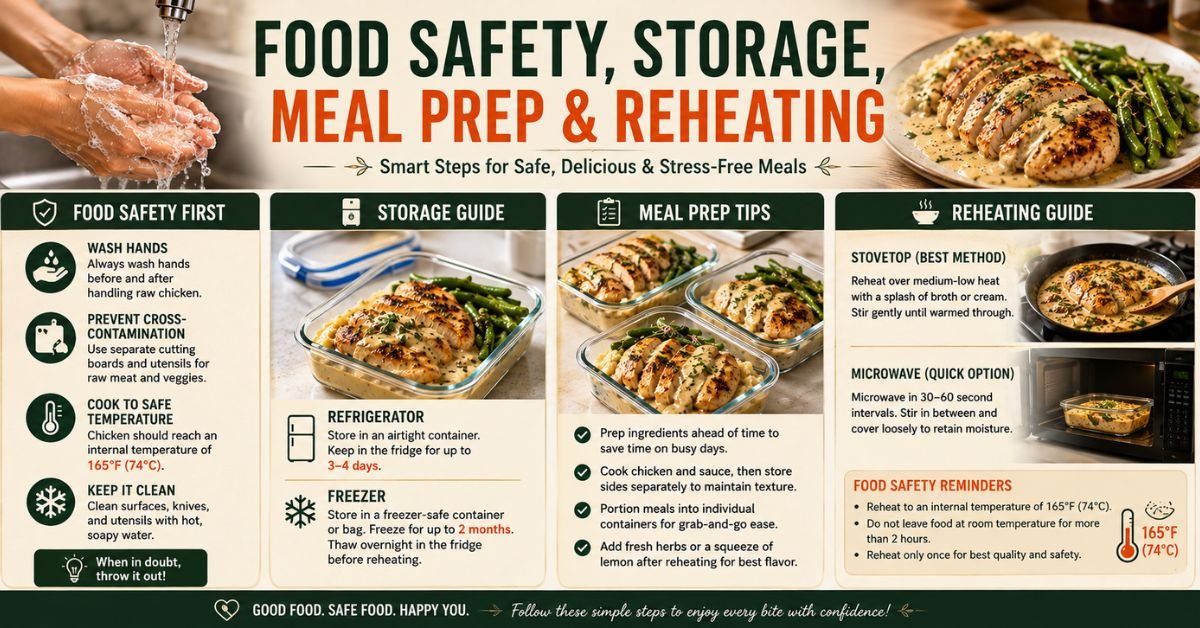
Always wash your hands before and after handling raw poultry.
Cross-contamination can be prevented by using separate cutting boards for raw meat and vegetables.
Cook chicken to a safe internal temperature of 165°F (74°C).
Store leftovers within two hours of cooking.
Refrigerator
Store in an airtight container for up to 3–4 days.
Freezer
Freeze for up to 2 months.
Reheating
Heat slowly over medium heat in a skillet.
For a smoother sauce, add broth or cream.
Microwave at 50% power in short intervals, stirring the sauce between heating cycles.
For meal prep, store vegetables separately if possible to preserve texture.
Nutrition & Dietary Considerations
Approximate Nutrition Per Serving
| Nutrient | Amount |
| Calories | 540 |
| Protein | 45 g |
| Carbohydrates | 9 g |
| Fat | 34 g |
| Saturated Fat | 16 g |
| Fiber | 1 g |
| Sodium | 610 mg |
These values are estimates and will vary depending on ingredient brands and serving sizes.
This recipe is naturally high in protein, making it a satisfying option for many adults. To increase fiber, pair it with roasted vegetables or a fresh salad. For a lighter version, use light cream or replace part of the cream with evaporated milk, understanding the sauce will be less rich.
Pairings & Serving Suggestions
Transform this recipe into a complete restaurant-style meal with thoughtfully chosen sides.
Excellent accompaniments include:
- Creamy mashed potatoes
- Garlic butter rice
- Roasted baby potatoes
- Buttered egg noodles
- Steamed asparagus
- Roasted broccoli
- Honey-glazed carrots
- Caesar salad
- Mixed greens with lemon vinaigrette
- Warm artisan bread for soaking up the sauce
For beverages, sparkling water with lemon, unsweetened iced tea, or a refreshing citrus spritzer complement the richness of the dish without overpowering its flavors.
Finish the meal with fresh berries or a light fruit parfait for a balanced ending.
Final Verdict & Reader Invitation
If you’re searching for dependable recipes for two, this Creamy Garlic Chicken Dinner delivers everything a great shared meal should: rich flavor, juicy chicken, a velvety homemade sauce, and practical techniques that build confidence in the kitchen. Whether it’s a cozy weeknight dinner or a special date night, this recipe is designed to impress without requiring complicated ingredients or hours of work.
It would be great to hear what you think if you tried this recipe. Leave a star rating, share your cooking tips or variations, and post your questions in the comments on DaliyDelish.com. Your feedback helps us continue creating thoroughly tested, chef-approved recipes you’ll return to again and again.
You have not enough Humanizer words left. Upgrade your Surfer plan.
Yes. Prepare the chicken and sauce up to one day in advance, refrigerate promptly, and reheat gently over low heat with a splash of broth or cream to maintain a smooth texture.
Absolutely. Boneless, skinless chicken thighs are flavorful and forgiving. Cook until they reach an internal temperature of 165°F (74°C).
Serve it with cauliflower mash, zucchini noodles, roasted broccoli, or sautéed spinach instead of potatoes, rice, or pasta.
Yes. Double all ingredients and use a larger skillet to avoid overcrowding. Brown the chicken in batches if necessary so each piece develops a proper crust.

Tosique Haider -Passionate writer sharing informative, engaging, and easy-to-read articles across different topics. Focused on delivering valuable content that helps readers learn, explore, and stay inspired every day.