Introduction:
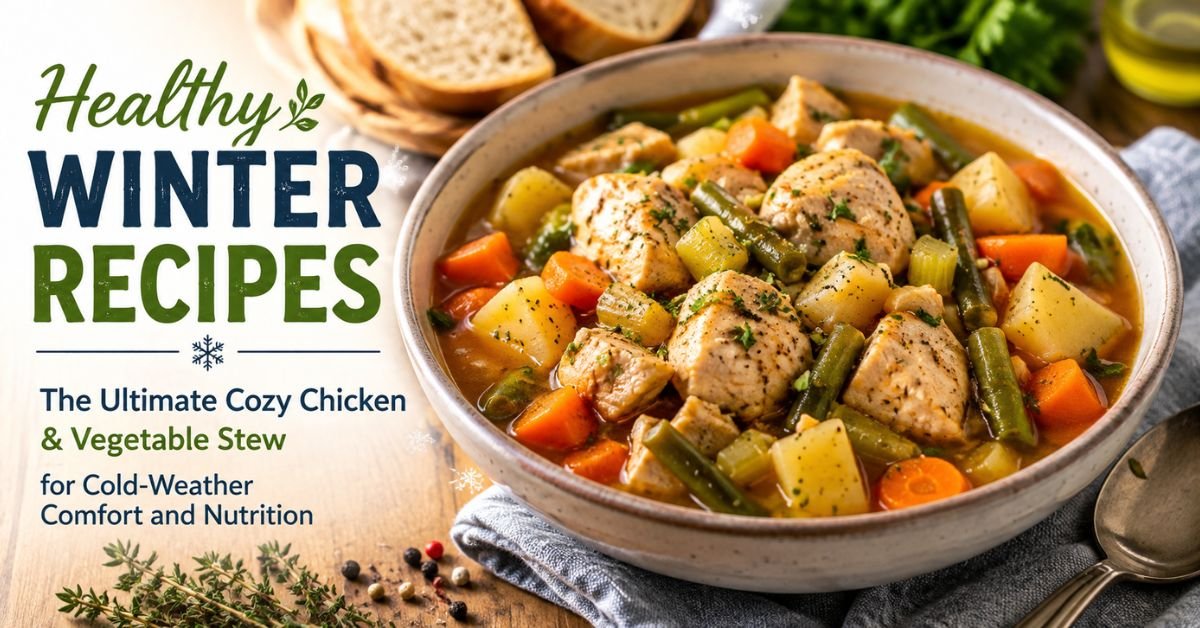
When the temperature drops, few dishes are as comforting as a bowl of homemade chicken and vegetable stew. As the pot gently simmers, your kitchen fills with the inviting aroma of sautéed onions, garlic, thyme, rosemary, and slow-cooked vegetables. Every spoonful offers tender chunks of juicy chicken, naturally sweet carrots, creamy potatoes, vibrant green beans, and a deeply flavorful herb-infused broth that warms you from the inside out.
Unlike many traditional winter comfort foods that rely on heavy cream, excessive butter, or processed ingredients, this healthy winter recipe focuses on fresh, nutrient-dense ingredients that deliver satisfying flavor while supporting balanced eating habits. The broth remains rich thanks to careful layering of flavors rather than excessive fat, allowing each ingredient to shine naturally.
Primary keyword “healthy winter recipes” se closely related hai.
Here at DaliyDelish, this recipe underwent several rounds of testing to achieve the ideal balance between nutrition and comfortAs time went on, the taste of the early versions became stale, the texture became thick, and the natural sweetness of the vegetables was masked. After multiple kitchen trials, we found the ideal combination of sautéing techniques, herb ratios, and simmering times that consistently produce a flavorful, restaurant-quality stew.
One of the most valuable lessons from testing was resisting the urge to rush the cooking process. Allowing the vegetables to caramelize lightly before adding the broth develops complex savory notes through the Maillard reaction, creating remarkable depth without relying on excessive salt or fat.
The result is a dependable winter meal that’s approachable for beginners, reliable enough for experienced home cooks, and elegant enough to serve guests. Whether you’re meal-prepping lunches, feeding a family, or simply craving a nourishing bowl on a chilly evening, this recipe delivers wholesome comfort with every bite.
Recipe Quick-Facts Summary Card
| Category | Details |
| Recipe Name | Healthy Chicken & Vegetable Winter Stew |
| Primary Keyword | healthy winter recipes |
| Prep Time | 20 minutes |
| Cook Time | 45 minutes |
| Total Time | 1 hour 5 minutes |
| Skill Level | Beginner to Intermediate |
| Servings | 6 |
| Calories | Approximately 345 kcal per serving |
| Estimated Cost | $3.50–$4.25 per serving |
| Primary Diet | High Protein |
| Cooking Method | One-Pot Stovetop |
| Cuisine | American Comfort Food |
| Suitable For | Family dinners, meal prep, winter lunches |
Why This Recipe Works (EEAT Value Points)
This recipe has been carefully designed using professional culinary techniques, practical home cooking experience, and balanced nutritional principles to create one of the most dependable healthy winter recipes you’ll make throughout the season.
• Perfect Flavor Balance
Each layer of flavor serves a purpose. Sweet carrots and onions naturally balance savory chicken and herbs, while garlic and black pepper add gentle warmth without overwhelming the palate. A splash of fresh lemon juice at the end brightens the broth, preventing it from tasting heavy.
• Built Through Professional Cooking Techniques
Instead of simply boiling ingredients together, the vegetables are lightly caramelized before simmering. This extra step develops complex roasted flavors through controlled browning, resulting in a broth with impressive depth despite using minimal oil.
• Nutrient-Dense Without Sacrificing Comfort
Every serving provides lean protein, fiber-rich vegetables, vitamins, minerals, and satisfying carbohydrates from potatoes. The recipe delivers the cozy feeling people crave during winter while avoiding excessive saturated fat and unnecessary calories.
• Budget-Friendly Family Meal
Most ingredients are affordable and widely available throughout winter. Frozen vegetables can easily replace fresh ones without compromising quality, making this an economical recipe for feeding larger households while minimizing food waste.
• Excellent for Meal Prep
Due to the flavor melding over the next day, the stew is even better than the day after it is made. It reheats beautifully, making it an ideal option for weekly meal preparation, packed lunches, or freezer-friendly dinners during busy weeks.
Kitchen Tools & Equipment Guide
Using the right equipment doesn’t just make cooking easier—it also improves consistency, texture, and flavor. While this recipe doesn’t require expensive specialty gadgets, a few quality tools can significantly enhance the final result.
Large Dutch Oven or Heavy Soup Pot (5–7 Quart)
A heavy-bottomed Dutch oven distributes heat evenly, reducing the risk of scorching and helping vegetables caramelize properly before the broth is added. Thick walls also maintain a gentle simmer, which is essential for tender chicken and perfectly cooked vegetables.
Sharp Chef’s Knife
A well-sharpened knife allows for precise, even cuts. Uniform vegetable sizes ensure everything cooks at the same rate, preventing mushy carrots or undercooked potatoes.
Large Cutting Board
A spacious cutting board keeps prep organized and reduces cross-contamination by allowing separate areas for raw chicken and vegetables. Wash thoroughly with hot, soapy water after handling raw poultry.
Measuring Cups and Measuring Spoons
Accurate measurements help maintain the intended balance of herbs, broth, and seasonings. Consistency is especially important when testing or recreating recipes.
Wooden Spoon or Silicone Spatula
A sturdy spoon is ideal for stirring vegetables without scratching cookware. It also helps loosen flavorful browned bits from the bottom of the pot during the sautéing stage.
Instant-Read Digital Thermometer
While not always essential for stews, an instant-read thermometer provides confidence that the chicken has reached a safe internal temperature of 165°F (74°C) before serving.
Ingredient Selection, Quality & Substitutions
Selecting quality ingredients is one of the easiest ways to elevate this healthy winter stew. Fresh produce, lean chicken, and aromatic herbs create a deeply satisfying dish with balanced nutrition and exceptional flavor.
Main Ingredients
| Ingredient | US Customary | Metric |
| Boneless skinless chicken breasts | 1½ pounds | 680 g |
| Olive oil | 2 tablespoons | 30 ml |
| Yellow onion, diced | 1 large | 180 g |
| Garlic, minced | 5 cloves | 15 g |
| Carrots, sliced | 3 medium | 240 g |
| Celery stalks | 3 | 180 g |
| Yukon Gold potatoes | 3 medium | 500 g |
| Green beans | 2 cups | 220 g |
| Low-sodium chicken broth | 6 cups | 1.4 liters |
| Tomato paste | 2 tablespoons | 30 g |
| Fresh thyme | 2 teaspoons | 4 g |
| Fresh rosemary, chopped | 1 teaspoon | 2 g |
| Bay leaves | 2 | 2 |
| Smoked paprika | 1 teaspoon | 3 g |
| Black pepper | ½ teaspoon | 1.5 g |
| Kosher salt | 1½ teaspoons (adjust to taste) | 8 g |
| Fresh parsley | ¼ cup | 15 g |
| Lemon juice | 1 tablespoon | 15 ml |
Why Each Ingredient Matters
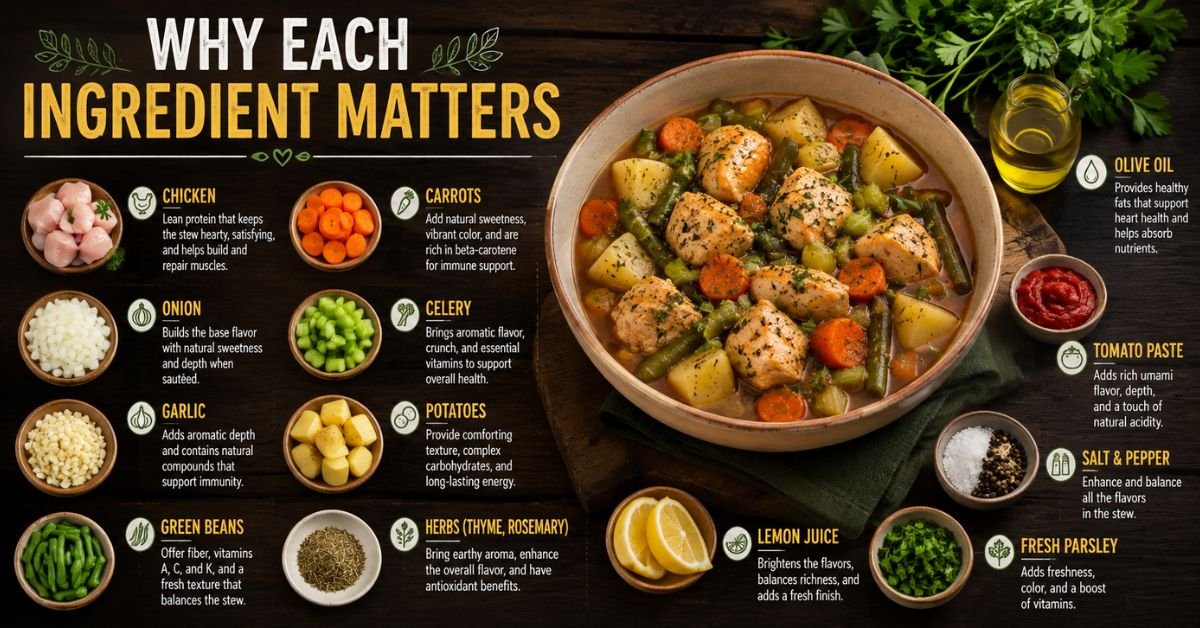
Chicken Breast
Lean chicken breast provides high-quality protein while keeping the stew relatively low in saturated fat. Choose fresh chicken with a firm texture and a light pink color. If using frozen chicken, thaw it safely in the refrigerator before cooking.
Olive Oil
Extra-virgin olive oil contributes healthy unsaturated fats and helps develop the initial flavor base. Its fruity notes complement the herbs and vegetables without overpowering them.
Onion and Garlic
These aromatic vegetables are foundational ingredients. Slowly sautéing them releases natural sugars, creating a sweeter and more balanced broth without added sugar.
Carrots
Carrots contribute sweetness, vibrant color, and beta-carotene. Firm carrots with smooth skins generally offer the best flavor and texture.
Celery
Celery introduces subtle herbal notes and adds body to the stew, supporting the overall savory profile.
Yukon Gold Potatoes
These potatoes hold their shape while becoming pleasantly creamy. Their natural starch lightly thickens the broth without requiring flour or cream.
Green Beans
Green beans add freshness, color, and a slight crunch that contrasts beautifully with the tender chicken and potatoes.
Low-Sodium Chicken Broth
Using low-sodium broth allows better control over seasoning while still delivering a rich, savory foundation.
Fresh Herbs
Fresh thyme and rosemary create classic winter aromas that define the stew’s comforting character. While dried herbs can be substituted, fresh herbs offer brighter flavor and fragrance.
Lemon Juice
A small amount of fresh lemon juice added just before serving brightens the stew and balances the richness of the broth.
Tested Ingredient Substitutions
Dairy-Free
This recipe is naturally dairy-free, making it suitable for many dietary preferences without modification.
Gluten-Free
Use a certified gluten-free chicken broth and verify that all packaged seasonings are gluten-free.
Low-Sodium
Reduce added salt and choose unsalted broth. Increase fresh herbs and lemon juice to maintain vibrant flavor.
Lower-Carbohydrate
Replace potatoes with cauliflower florets or turnips for a lower-carbohydrate variation while maintaining a hearty texture.
Keto-Friendly
Substitute potatoes with radishes or cauliflower, reduce carrots slightly, and increase healthy fats with a small amount of avocado oil or additional olive oil.
Vegetarian Version
Replace the chicken with chickpeas, white beans, or extra-firm tofu, and use vegetable broth instead of chicken broth. Add mushrooms for additional umami depth.
Culinary Masterclass: Step-by-Step Instructions
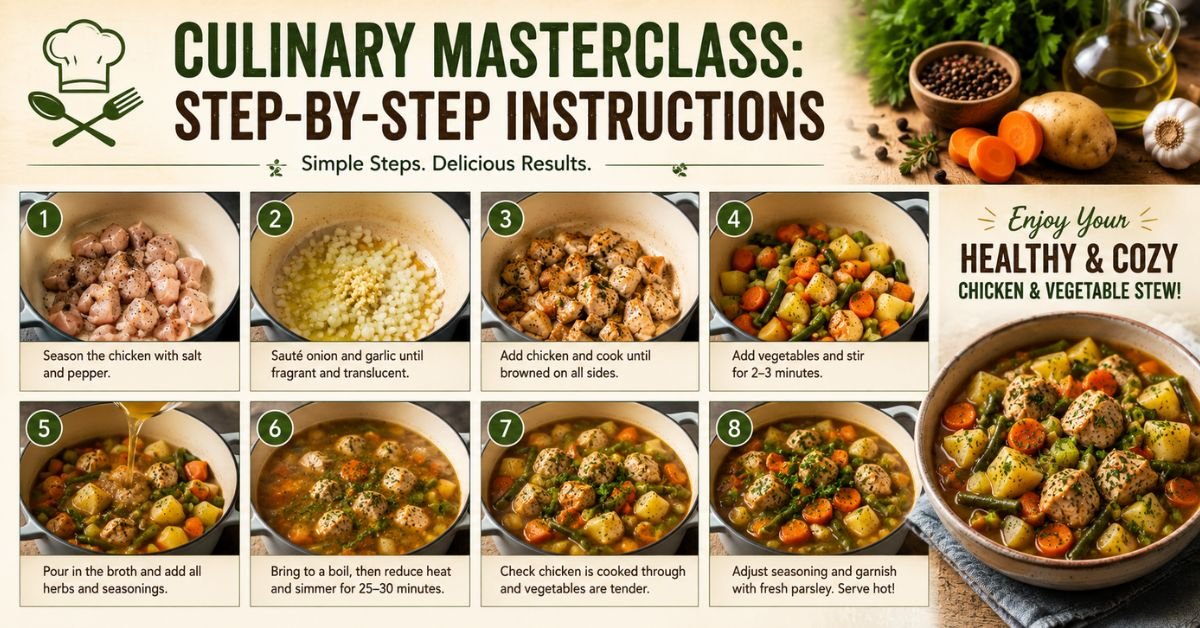
Cooking a truly memorable winter stew is about more than simply combining ingredients in a pot. Professional chefs build flavor in layers, carefully controlling heat, moisture, and timing. During recipe testing in the DaliyDelish kitchen, we found that patience during the first 15–20 minutes of cooking produced the biggest improvement in the final dish. Allowing the vegetables to caramelize naturally and the chicken to brown properly creates a stew with remarkable depth of flavor, even without heavy cream or excessive butter.
Keep your heat at medium unless otherwise noted, and avoid rushing the simmering process. Gentle cooking keeps the chicken tender and allows the vegetables to maintain their structure.
Step 1: Prep Work & Seasoning
Make sure all ingredients are organized before starting the stove. Professional kitchens call this mise en place, meaning “everything in its place.” Having vegetables chopped and seasonings measured prevents overcooking while searching for ingredients.
Pat the 1½ pounds (680 g) of boneless, skinless chicken breasts dry with paper towels. Removing surface moisture helps the chicken brown instead of steam.
Cut the chicken into evenly sized 1½-inch (4 cm) cubes. Uniform pieces cook consistently and remain juicy throughout the simmering process.
Season the chicken evenly with:
- 1½ teaspoons kosher salt
- ½ teaspoon freshly ground black pepper
- 1 teaspoon smoked paprika
Let the seasoned chicken rest for 10–15 minutes while preparing the vegetables. This brief resting period allows the seasoning to adhere better and promotes more even cooking.
Meanwhile, prepare the vegetables:
- Dice the onion into small, even pieces.
- Slice the carrots into ¼-inch (6 mm) rounds.
- Chop celery into similar-sized pieces.
- Cube the Yukon Gold potatoes into 1-inch (2.5 cm) chunks.
- Trim the green beans into bite-sized lengths.
- Mince the garlic just before cooking to preserve its aroma.
Measure the broth, tomato paste, herbs, and lemon juice in advance so they are ready when needed.
Chef’s Sensory Check:
Fresh herbs should smell vibrant and fragrant, while the chicken should appear lightly coated with seasoning but not heavily crusted.
Step 2: Searing & Sautéing
Place a heavy Dutch oven over medium-high heat for about 2 minutes.Olive oil extra-virgin (2 tablespoons, 30 ml) should be added to the mixture.
The oil is ready when it shimmers slightly but does not smoke.
The seasoned chicken should be placed in a single layer on the baking sheet. Avoid overcrowding the pot; cook in two batches if necessary.
Sear for 3–4 minutes per side without moving the chicken too frequently. Proper browning develops rich savory flavor through the Maillard reaction.
The chicken does not need to cook completely at this stage—it will finish cooking later in the broth.
Transfer the browned chicken to a clean plate.
Reduce the heat slightly to medium.
Add:
- diced onion
- carrots
- celery
Cook for 7–8 minutes, stirring occasionally.
The vegetables should become tender and lightly golden around the edges rather than deeply browned.
Add the tomato paste and minced garlic next.
Cook for 1–2 minutes.
To make tomato paste darker, the color should deepen from bright red to a deep brick-red.This caramelization removes raw acidity and intensifies its sweetness.
Scratch any browned bits stuck to the pot’s bottom with a wooden spoon.These flavorful bits dissolve into the broth later and contribute tremendous depth.
Sensory Milestone:
The kitchen should now smell deeply savory, with roasted garlic, sweet onions, and fragrant herbs beginning to bloom.
Step 3: Sauce Building & Simmering
Pour in approximately 1 cup (240 ml) of the chicken broth first while scraping the bottom of the pot.
This deglazing step dissolves the caramelized bits created during searing.
Add the remaining broth.
The pot should be returned to the pot after the chicken has been browned along with any juices that have accumulated.
Add:
- Yukon Gold potatoes
- thyme
- rosemary
- bay leaves
Increase the heat until the stew reaches a gentle boil.
Once boiling, immediately reduce to a low simmer.
Avoid vigorous boiling, which can toughen lean chicken and break apart delicate vegetables.
Cover the pot partially with a lid and simmer for 25 minutes.
After about 20 minutes, stir in the green beans.
Continue simmering another 8–10 minutes.
The potatoes should now be fork-tender, while the green beans remain bright green with a slight bite.
Use an instant-read thermometer to verify the chicken has reached an internal temperature of 165°F (74°C).
If you’d like a slightly thicker stew, mash a few cooked potato pieces directly into the broth with the back of a spoon. Their natural starch will create a silky texture without adding flour or cream.
Taste the broth before making final seasoning adjustments.
Add additional salt or freshly cracked black pepper only if necessary.
Chef’s Texture Check:
The finished broth should coat the spoon lightly while remaining pourable—not watery and not overly thick.
Step 4: Finishing, Resting & Garnishing
Remove the bay leaves.
Turn off the heat.
Stir in:
- fresh chopped parsley
- 1 tablespoon (15 ml) fresh lemon juice
The lemon juice brightens the stew and balances the savory richness without making it taste acidic.
Allow the stew to rest uncovered for 5–10 minutes before serving.
Resting gives the ingredients time to redistribute moisture and allows the flavors to blend naturally.
Ladle into warm serving bowls.
Garnish with:
- additional chopped parsley
- cracked black pepper
- a drizzle of extra-virgin olive oil (optional)
Serve immediately with whole-grain bread or a crisp green salad for a balanced winter meal.
Final Chef’s Quality Check
A perfectly prepared stew should have:
- Tender, juicy chicken
- Potatoes that hold their shape while remaining creamy
- Bright vegetables that are cooked but not mushy
- A broth that’s deeply flavorful yet clean and light
- Fresh herbal aroma with balanced seasoning
The Science of Flavor & Chef’s Insider Techniques
Understanding why certain cooking techniques work helps you produce consistently delicious results. This recipe relies on several classic culinary principles that professional chefs use every day.
The Maillard Reaction
When chicken is seared over medium-high heat, proteins and natural sugars react to form hundreds of flavorful compounds. This process, known as the Maillard reaction, creates the rich golden-brown crust that gives the stew its deep, savory character. Skipping the searing step results in a flatter-tasting broth.
Proper Pan Temperature
Heating the pot before adding oil and ensuring the oil is shimmering helps prevent sticking while promoting even browning. If the pan is too cool, the chicken releases moisture and steams instead of searing. If it’s too hot, the exterior may burn before the interior begins cooking properly.
Building Flavor in Layers
Professional chefs avoid adding every ingredient at once. Browning the chicken, sautéing the vegetables, caramelizing the tomato paste, and deglazing the pan each contribute unique flavor compounds. Layering these steps creates a broth with remarkable complexity using simple ingredients.
Gentle Simmering Preserves Texture
A rolling boil can toughen lean chicken and cause vegetables to fall apart. Maintaining a gentle simmer allows collagen and natural vegetable starches to enrich the broth while keeping the chicken tender and the vegetables intact.
Resting Before Serving
Allowing the stew to rest for several minutes after cooking helps the flavors meld together. The broth thickens slightly, and the chicken reabsorbs some of its natural juices, resulting in a more cohesive and satisfying dish.
Balancing Richness with Acidity
A splash of fresh lemon juice at the end isn’t added for a lemon flavor. Instead, its acidity brightens the entire dish, making herbs taste fresher and preventing the broth from feeling heavy. This simple finishing touch is a hallmark of professional cooking.
Common Cooking Mistakes & Troubleshooting Guide
Even experienced home cooks can run into small issues when preparing stew. Fortunately, most problems are easy to fix with a few simple adjustments.
Mistake 1: Overcrowding the Pot During Searing
Adding too much chicken at once lowers the pan’s temperature, causing the meat to steam instead of brown. This limits flavor development and leaves the chicken pale.
Solution: Sear the chicken in batches if necessary, leaving enough space between pieces for proper browning.
Mistake 2: Boiling Instead of Simmering
A vigorous boil can make chicken dry and stringy while breaking apart potatoes and vegetables.
Solution: Once the broth reaches a boil, immediately reduce the heat to maintain a gentle simmer with only occasional bubbles breaking the surface.
Mistake 3: Adding Green Beans Too Early
Green beans cook much faster than potatoes and carrots. Adding them at the beginning often results in dull-colored, mushy vegetables.
Solution: Stir the green beans into the stew during the final 8–10 minutes of cooking to preserve their bright color and pleasant texture.
Mistake 4: Overseasoning Before Simmering
As the broth cooks, water evaporates and flavors become more concentrated. Adding too much salt early in the process can leave the finished stew overly salty.
Solution: Season lightly at the beginning, then taste and adjust after simmering is complete. Fresh herbs and a squeeze of lemon juice can enhance flavor without relying solely on salt.
Food Safety, Storage, Meal Prep & Reheating
Food safety is just as important as flavor, especially when preparing poultry-based dishes. Following proper handling and storage practices helps ensure your stew remains both delicious and safe to enjoy.
Safe Food Handling
- Wash your hands thoroughly before and after handling raw chicken.
- Use separate cutting boards and utensils for raw poultry and fresh vegetables to reduce the risk of cross-contamination.
- Sanitize countertops, knives, and cutting boards with hot, soapy water after preparing raw meat.
Safe Cooking Temperature
Chicken should always reach an internal temperature of 165°F (74°C) when measured with an instant-read thermometer inserted into the thickest piece.
Avoid relying solely on color, as fully cooked chicken can sometimes retain a slight pink hue near the bone or in darker meat.
Cooling and Refrigeration
Allow the stew to cool for no more than 2 hours at room temperature before transferring it to airtight containers.
Store in the refrigerator for up to 4 days.
Freezing
For longer storage, portion the cooled stew into freezer-safe containers, leaving a small amount of headspace for expansion.
Freeze for up to 3 months.
Thaw overnight in the refrigerator before reheating for the best texture.
Meal Prep Tips
This stew is an excellent make-ahead meal because the flavors continue to develop overnight. Divide it into individual containers with a side of cooked brown rice, quinoa, or whole-grain bread for convenient lunches or dinners throughout the week.
Reheating
Reheat gently on the stovetop over medium-low heat, stirring occasionally until the stew reaches 165°F (74°C) throughout.
If using a microwave, cover loosely and heat in 1-minute intervals, stirring between each interval to ensure even heating and preserve the vegetables’ texture.
- Nutrition & Dietary Considerations
- Pairings & Serving Suggestions
- Frequently Asked Questions (FAQs)
- Final Verdict & Reader Invitation
10. Nutrition & Dietary Considerations
One of the reasons this recipe stands out among healthy winter recipes is its balance of satisfying comfort and practical nutrition. Instead of relying on heavy cream, excessive butter, or processed ingredients, this stew builds richness from lean chicken, colorful vegetables, aromatic herbs, and a flavorful low-sodium broth. The result is a nourishing meal that’s filling without feeling overly rich.
The following nutrition information is an estimate per serving and may vary depending on the exact brands and ingredients used.
Estimated Nutrition Per Serving
| Nutrient | Amount |
| Calories | 345 kcal |
| Protein | 34 g |
| Total Carbohydrates | 25 g |
| Dietary Fiber | 5 g |
| Total Sugars | 6 g |
| Total Fat | 11 g |
| Saturated Fat | 2 g |
| Unsaturated Fat | 8 g |
| Cholesterol | 82 mg |
| Sodium | 540 mg* |
| Potassium | 980 mg |
| Vitamin A | 145% Daily Value |
| Vitamin C | 38% Daily Value |
| Iron | 12% Daily Value |
| Calcium | 8% Daily Value |
Sodium content depends on the broth and seasonings used. Choosing a low-sodium broth helps keep overall sodium levels lower.
Why This Recipe Fits a Balanced Lifestyle
This stew provides a generous serving of lean protein, which supports muscle maintenance and helps promote fullness after meals. Chicken breast supplies high-quality protein with relatively little saturated fat, making it a smart choice for many eating patterns.
The colorful vegetables contribute fiber, vitamins, minerals, and antioxidants that support overall health. Carrots are rich in beta-carotene (which the body converts to vitamin A), while green beans provide vitamin C and fiber. Potatoes offer complex carbohydrates and potassium, helping create a satisfying meal without relying on refined starches.
Olive oil supplies heart-friendly unsaturated fats and helps the body absorb fat-soluble vitamins found in the vegetables.
Dietary Adaptations
This recipe can easily be customized to suit different dietary needs:
- Gluten-Free: Use certified gluten-free chicken broth and verify packaged seasonings.
- Dairy-Free: Naturally dairy-free as written.
- Lower-Carbohydrate: Replace potatoes with cauliflower florets or turnips.
- Keto-Friendly: Substitute potatoes with cauliflower or radishes, reduce carrots slightly, and increase healthy fats if desired.
- Lower-Sodium: Choose unsalted or low-sodium broth, reduce added salt, and enhance flavor with fresh herbs and lemon juice.
- High-Protein: Add extra chicken breast or stir in cooked white beans for an additional protein boost.
As with any recipe, nutritional needs vary from person to person. If you follow a medically prescribed eating plan or have specific dietary concerns, consult a qualified healthcare professional or registered dietitian for personalized guidance.
Pairings & Serving Suggestions
A hearty bowl of chicken and vegetable stew is satisfying on its own, but thoughtful pairings can transform it into a complete winter dining experience. Because this stew has a light, herb-forward broth, it pairs beautifully with fresh vegetables, wholesome grains, and crusty breads that complement rather than overpower its flavors.
Best Bread Pairings
Warm bread is a classic companion for winter stews, perfect for soaking up every last spoonful of broth.
Some excellent choices include:
- Whole-grain artisan bread
- Rustic sourdough
- Seeded country loaf
- Whole-wheat dinner rolls
- Homemade oat biscuits
Lightly toasting the bread and brushing it with a small amount of olive oil enhances both flavor and texture.
Fresh Salads
Adding a crisp salad creates a refreshing contrast to the warm stew.
Great options include:
- Mixed greens with lemon vinaigrette
- Spinach, apple, and walnut salad
- Arugula with shaved Parmesan (omit for dairy-free)
- Cucumber and tomato salad with herbs
The bright acidity of these salads balances the savory richness of the stew.
Whole Grains
For heartier appetites, serve the stew over:
- Brown rice
- Quinoa
- Barley (if gluten is not a concern)
- Farro
- Wild rice
These grains absorb the flavorful broth while adding extra fiber and texture.
Winter Vegetables
Roasted seasonal vegetables make excellent side dishes, including:
- Brussels sprouts
- Butternut squash
- Roasted carrots
- Parsnips
- Cauliflower
A light drizzle of olive oil and fresh herbs ties the flavors together beautifully.
Beverage Pairings
Complement the stew with comforting beverages such as:
- Hot herbal tea
- Sparkling water with lemon
- Unsweetened apple cider
- Warm ginger tea
- Infused water with citrus and rosemary
These drinks refresh the palate without overwhelming the meal.
Serving for Different Occasions
This recipe is versatile enough for a variety of settings:
- Weeknight Family Dinner: Pair with whole-grain bread and a simple green salad.
- Meal Prep Lunches: Portion into airtight containers with cooked quinoa or brown rice.
- Casual Gatherings: Serve buffet-style with bread, roasted vegetables, and a salad bar.
- Cold-Weather Entertaining: Garnish each bowl with fresh parsley, cracked black pepper, and a drizzle of extra-virgin olive oil for an elegant presentation.
Final Verdict & Reader Invitation
If you’re searching for healthy winter recipes that combine wholesome ingredients, dependable cooking techniques, and comforting flavors, this Healthy Chicken & Vegetable Winter Stew deserves a permanent place in your recipe collection. It’s rich in lean protein, colorful vegetables, and aromatic herbs while remaining approachable for cooks of every skill level. Whether you’re preparing cozy family dinners, planning nutritious meal-prep lunches, or simply looking for a warming one-pot meal, this recipe delivers reliable results every time.
Enjoy Cozy Comfort with This Healthy Winter Recipe
We’d love to hear how it turned out in your kitchen! If you enjoyed this recipe, leave a ⭐⭐⭐⭐⭐ rating, share your favorite variations in the comments on DaliyDelish.com, and let us know what healthy winter recipe you’d like us to develop next. Your feedback helps us continue creating thoroughly tested, chef-inspired recipes that are delicious, practical, and perfect for everyday cooking. Happy cooking!
Absolutely. In fact, the flavor often improves after a night in the refrigerator because the herbs, vegetables, and broth have additional time to meld together. Store the cooled stew in airtight containers for up to 4 days and reheat gently until it reaches 165°F (74°C) before serving.
Yes. Boneless, skinless chicken thighs are an excellent alternative and tend to remain especially juicy during longer cooking times. Because thighs contain slightly more fat, they also create a richer broth. As with chicken breasts, cook the meat until it reaches an internal temperature of 165°F (74°C).
Yes. Allow the stew to cool completely before transferring it to freezer-safe containers. Leave a small amount of space at the top of each container for expansion during freezing. Reheat after thawing overnight in the refrigerator. The product can be frozen for up to 3 months. Vegetables such as potatoes may soften slightly after freezing, but the overall flavor remains excellent.
There are several simple ways to increase the heartiness of this stew while maintaining its wholesome character. Stir in cooked white beans, chickpeas, or lentils for extra protein and fiber. You can also serve it over brown rice, quinoa, or barley, or pair it with whole-grain bread and a fresh salad for a complete meal.

Tosique Haider -Passionate writer sharing informative, engaging, and easy-to-read articles across different topics. Focused on delivering valuable content that helps readers learn, explore, and stay inspired every day.