1. Introduction:
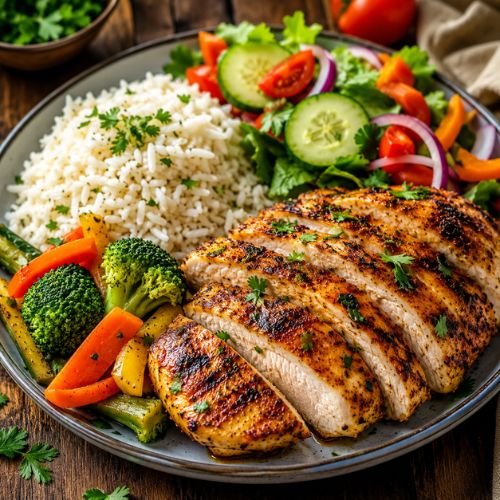
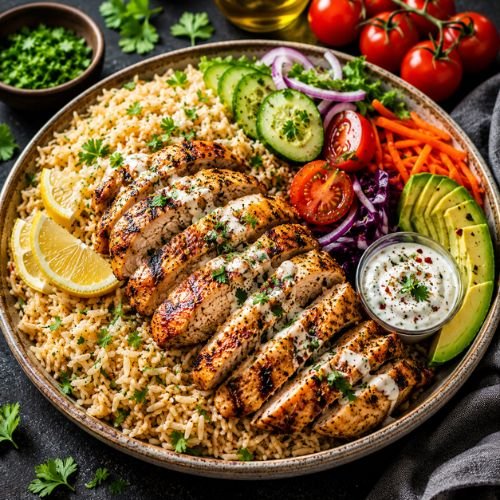
A memorable appetizer begins with the senses. Before guests take their first bite, the aroma of garlic, lemon zest, and gently toasted spices can make a simple platter feel special. Once served, golden chicken pieces, colorful vegetables, and a pale green herb dip create a presentation that looks fresh, inviting, and suitable for almost any occasion.
The featured lemon garlic chicken and vegetable bites offer several complementary textures. The chicken develops a lightly browned exterior while remaining tender and juicy inside. Meanwhile, cucumber, carrots, and bell peppers contribute cool crunch and natural sweetness. The yogurt dip adds a creamy, tangy contrast that brings the ingredients together without relying on a heavy mayonnaise based sauce.
The flavor profile is deliberately balanced. Garlic provides savory depth, lemon juice adds acidity, paprika contributes warmth, and fresh herbs supply a clean finish. A small amount of olive oil helps distribute the seasonings and encourages browning. The recipe tastes satisfying without requiring a long list of spices because each ingredient serves a specific purpose.
For anyone planning an appetizer menu, flexibility matters just as much as flavor. These bites can be served individually on cocktail picks, arranged on a family style platter, or placed beside a selection of other healthy starters. They are also suitable for meal preparation when the chicken and vegetables are stored separately.
The goal of this DaliyDelish.com recipe is to make appetizer planning more approachable. Rather than preparing several complicated dishes, you can create one protein rich centerpiece, add fresh vegetables, and serve a simple homemade dip. The result is a colorful starter that feels thoughtful without demanding hours in the kitchen.
The following sections explain the ingredients, cooking methods, food safety essentials, substitutions, and serving ideas needed to prepare the dish confidently.
2. Recipe Quick Facts Summary Card
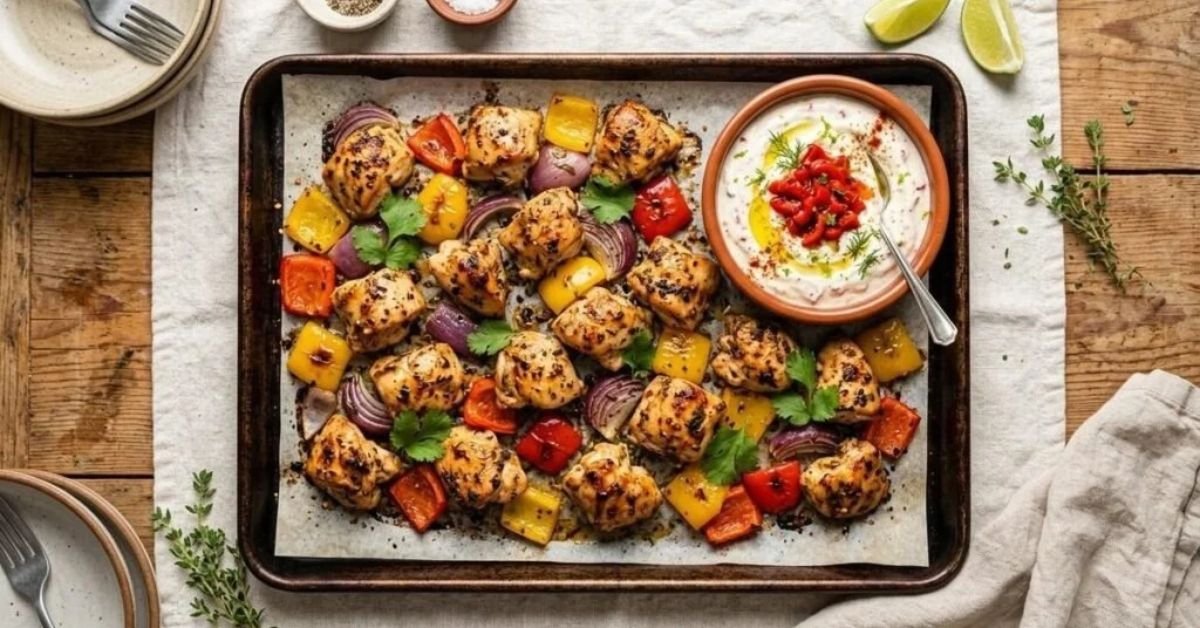
Lemon Garlic Chicken & Vegetable Bites
A colorful, protein rich starter for parties, family meals, and healthy appetizer menus.
35 minutes total
Makes 4 appetizer servings
Prep time
20 minutes
Cook time
15 minutes
Skill level
Easy
Estimated calories
250–300 per serving
Estimated cost
2.00–3.50 per serving
Dietary style
High protein, adaptable
Cost estimates are illustrative US grocery prices, not live quotations. Calories depend on the yogurt, oil, chicken, and serving size used.
Yield: Four appetizer portions, approximately three to four ounces (85–113 g) of raw chicken per person, plus vegetables and dip.appetizer menu
Cooking equipment: One large skillet, cutting board, sharp knife, mixing bowls, measuring spoons, and an instant read food thermometer.
Main flavor profile: Lemon, garlic, mild paprika, fresh herbs, and creamy yogurt.
Why This Recipe Works: Five EEAT Value Points
A successful appetizer must be flavorful, practical to serve, and easy to portion. This recipe uses straightforward techniques to achieve those goals.
Balanced flavor in every bite: Lemon juice brings acidity, garlic creates savory depth, and paprika adds mild warmth. The yogurt dip cools the palate, while crunchy vegetables prevent the dish from feeling too rich. This balance makes the starter appealing before a heavier main course.
A straightforward cooking method: Cutting the chicken into similarly sized pieces promotes more even cooking. Cooking in batches also helps prevent overcrowding, allowing moisture to evaporate instead of collecting in the pan. A thermometer provides a reliable safety check.
Flexible ingredients for different budgets: Chicken breast is lean and widely available in many markets. However, boneless chicken thighs can also be used for a richer flavor. Seasonal vegetables, homemade yogurt dip, and ordinary pantry spices keep the recipe adaptable.
Easy preparation for entertaining: You can chop the vegetables and prepare the dip in advance.Season the chicken just before cooking, then serve warm with chilled ingredients. This reduces last minute preparation when guests arrive.
A balanced alternative to fried starters: Instead of deep frying coated ingredients, this recipe uses a modest quantity of oil in a skillet. Fresh vegetables contribute fiber and micronutrients, while chicken and yogurt provide protein. The overall nutritional profile still depends on portion size and the ingredients selected.
The most important principle is consistency. Uniform chicken pieces, controlled heat, measured seasoning, and careful temperature checks make the result more predictable for home cooks.
Kitchen Tools and Equipment Guide
You do not need professional restaurant equipment to prepare an impressive appetizer menu. A few well chosen kitchen tools make the process easier.
- Large heavy based skillet: A stainless steel or cast iron skillet retains heat well and encourages browning. A nonstick pan is also suitable, particularly for beginners, although browning may differ.
- Instant read thermometer: This is the most dependable way to confirm chicken doneness. The thickest pieces must reach 165°F (74°C).
- Sharp chef’s knife: Use it to cut the chicken and vegetables into even pieces. Keep a separate clean board for ready to eat produce.appetizer menu
- Mixing bowls: One bowl holds the seasoned raw chicken, while another can be used for the yogurt dip.Ensure that raw poultry and ingredients ready for consumption are kept separate.
- Measuring spoons and cups: Accurate measurements help control the lemon, oil, salt, and spices.
- Serving platter and small bowls: Arrange the chicken in the center, surround it with vegetables, and place the dip in a separate bowl.
A thermometer and safe food handling practices are more important than buying expensive cookware. Even heating and organized preparation have a greater impact on the finished dish than elaborate equipment.
Ingredient Selection, Quality, and Substitutions
The ingredients below provide four appetizer servings. Metric quantities are rounded for convenient home cooking.
Ingredients for the chicken bites
| Ingredient | US customary measure | Metric measure |
| Boneless, skinless chicken breast | 1 lb | 450 g |
| Olive oil | 1 tbsp | 15 ml |
| Fresh lemon juice | 1 tbsp | 15 ml |
| Garlic, finely minced | 3 cloves | About 9 g |
| Paprika | 1 tsp | 2–3 g |
| Ground black pepper | ¼ tsp | About 0.5 g |
| Salt | ¼ tsp, or to taste | About 1.5 g |
| Dried oregano | ½ tsp | About 0.5 g |
Ingredients for the fresh vegetable platter
| Ingredient | US customary measure | Metric measure |
| Cucumber | 1 medium | About 200 g |
| Bell pepper | 1 medium | About 150 g |
| Carrot | 1 large | About 100 g |
| Cherry tomatoes | 1 cup | About 150 g |
Dip ingredients: creamy herb yogurt
| Ingredient | US customary measure | Metric measure |
| Plain Greek yogurt | ½ cup | 120 g |
| Lemon juice | 1 tsp | 5 ml |
| Fresh parsley or dill, chopped | 1 tbsp | About 4 g |
| Garlic, finely grated | ½ small clove | About 1–2 g |
| Black pepper | A pinch | To taste |
Understanding the main ingredients
Chicken breast: Choose fresh looking chicken that has been stored at a safe temperature and is within its use by guidance. Chicken breast has a mild flavor that works well with lemon and garlic. Cut it into approximately 1 inch (2.5 cm) pieces for manageable appetizer portions.
Olive oil: A small amount helps coat the chicken and distribute seasonings. It also supports browning when the skillet is properly heated. Avoid adding excessive oil, which can make the finished bites greasy.
Fresh lemon and garlic: Fresh lemon juice provides brightness, while finely minced garlic releases its characteristic aroma during cooking. Lemon zest can be added for extra citrus fragrance, but avoid including too much bitter white pith.appetizer menu
Paprika and oregano: These pantry seasonings create warmth and an earthy background without overpowering the chicken. Smoked paprika is an option if you prefer a subtle smoky note.
Colorful vegetables: Firm cucumbers, crisp carrots, fresh bell peppers, and intact cherry tomatoes provide different textures and colors. Wash produce under running water before cutting.
Greek yogurt: Plain Greek yogurt produces a thick, tangy dip with protein. Choose an unsweetened variety so the herbs, lemon, and garlic remain the dominant flavors.
Practical substitutions
- Dairy free: Replace Greek yogurt with an unsweetened, dairy free yogurt alternative. Choose a thick variety and check its ingredient label.
- Lower sodium: Reduce or omit the added salt and increase the herbs, lemon zest, or black pepper. Flavor will vary according to the ingredients used.
- Keto friendly: Chicken, oil, and unsweetened full fat yogurt can fit some ketogenic eating patterns. Choose lower carbohydrate vegetables such as cucumber and bell pepper, and calculate the total carbohydrates from actual product labels.
- Gluten free: The basic recipe contains no intentional gluten containing ingredients. Check seasoning blends and packaged ingredients for cross contact warnings if strict gluten avoidance is necessary.
- Chicken thighs: Substitute boneless, skinless thighs for a juicier texture. Trim excess fat and verify the same safe internal temperature.appetizer menu
These alternatives change the flavor and nutrition slightly, so adjust the seasoning and portions to suit your needs.
Culinary Masterclass: Step by Step Instructions

The secret to excellent chicken appetizers is to develop a golden exterior without drying the interior. Prepare the vegetables and dip first, then cook the chicken shortly before serving.
Step 1: Prep Work and Seasoning
Estimated time: 10–15 minutes
- Prepare a clean work surface by washing your hands. Set out two cutting boards if possible: one for raw chicken and another for vegetables.
- Disposable paper towels can be used to dry the chicken. Removing excess surface moisture encourages browning instead of steaming.
- Cut the chicken into evenly sized pieces, approximately 1 inch (2.5 cm) across. Uniform pieces help the chicken cook at a similar rate.
- Place the chicken in a bowl and add the olive oil, lemon juice, minced garlic, paprika, black pepper, salt, and oregano. Ensure that every piece is coated evenly.
- Let the chicken stand briefly while you prepare the vegetables. If marinating for longer, cover and refrigerate it rather than leaving raw poultry at room temperature.
- Wash the cucumber, bell pepper, carrot, and cherry tomatoes under running water. Cut the cucumber and pepper into sticks, peel and cut the carrot if desired, and halve any large tomatoes.
- In a clean bowl, combine the Greek yogurt, lemon juice, herbs, grated garlic, and black pepper. Serve chilled after stirring until smooth.appetizer menu
Sensory milestone: The marinade should smell bright and savory, with a noticeable lemon aroma and a gentle garlic fragrance. The yogurt dip should taste creamy and tangy, not excessively sour or salty.
Keep the vegetables chilled while you prepare the chicken. This maintains their crunch and helps the platter stay fresh.
Step 2: Searing and Sautéing
Estimated time: 8–12 minutes
- Using a large skillet, heat it over medium high heat.The pan should be hot enough to brown the chicken, but not so hot that the garlic immediately burns.
- Arrange the chicken in a single layer. Two batches may be needed if the pan seems crowded. So that moisture can escape, leave a little space between pieces.
- Allow the first side to brown before turning. Depending on the pan and the size of the pieces, this may take approximately 2–3 minutes.
- Turn the pieces with tongs and continue cooking, stirring occasionally. Reduce the heat slightly if the garlic darkens too quickly or the marinade begins to scorch.
- Check the thickest pieces with an instant read thermometer. Insert the probe into the center of a representative piece, avoiding contact with the pan.
- Continue cooking until every checked piece has reached 165°F (74°C) internally. Larger pieces may require additional time. Do not rely on browning alone to determine doneness.
- Transfer the cooked chicken to a clean plate using clean tongs.
Sensory milestone: Properly browned chicken should have golden patches, a savory roasted aroma, and a firm but tender texture. The skillet may sizzle as the pieces cook, but there should not be excessive smoke.
If the pan becomes dry, avoid automatically adding large amounts of oil.Reduce the heat first and figure out if the chicken stuck because it was turned too early or crowded in the pan.
Step 3: Sauce Building and Simmering
Estimated time: 2–3 minutes
This recipe uses a fresh yogurt dip rather than a cooked cream sauce. Keeping the dip separate protects its cool, tangy flavor and preserves the contrast between warm chicken and crisp vegetables.
- Once the chicken is cooked, inspect the skillet. If there are browned bits that are not burnt, add 1–2 tablespoons (15–30 ml) of water to loosen them.
- Stir briefly over low heat, scraping the bottom with a suitable utensil. Avoid incorporating blackened garlic or burnt residue, which can taste bitter.
- If desired, add a small squeeze of fresh lemon juice to the pan juices. Taste carefully before adding more salt.
- Return the cooked chicken to the skillet briefly, if necessary, to coat it with the light lemony juices. Keep the chicken hot without simmering it for an extended period.
- Stir the chilled yogurt dip again and check its consistency. If it is too thick, add a teaspoon of water or lemon juice at a time until it is easy to spoon.
Chef’s tip: Do not pour the yogurt dip into the hot skillet. High heat can cause yogurt to separate, and the fresh herb flavor is better preserved when the dip is served cold. appetizer menu
Step 4: Finishing, Resting, and Garnishing
Estimated time: 3–5 minutes
- Transfer the chicken to a clean serving dish. Allow it to settle briefly while you arrange the platter, keeping food safety holding times in mind.
- Place the cucumber, carrots, bell peppers, and tomatoes around the chicken in separate color groups. This arrangement makes the platter visually appealing and allows guests to select their preferred vegetables.
- Spoon the yogurt dip into a small serving bowl and position it beside the chicken.
- Garnish the chicken with a little chopped parsley, dill, or finely grated lemon zest. Keep garnishes restrained so they complement rather than overwhelm the dish.
- Serve the chicken warm and the vegetables chilled or cool. Use separate serving utensils for each component.
Final quality check: The chicken should be juicy, safely cooked, and lightly browned. The vegetables should remain crisp, and the dip should be creamy enough to cling to a chicken bite without running off immediately.
For a party, prepare several small platters instead of leaving one large platter out for the entire event. Refill them from refrigerated or properly hot held food as needed.
The Science of Flavor and Chef’s Insider Techniques
Understanding a few culinary principles makes this appetizer more consistent and improves many other chicken recipes, too.
The Maillard reaction creates golden flavor
When the surface of chicken becomes sufficiently hot and relatively dry, amino acids and reducing sugars react through a process called the Maillard reaction. This produces the brown surface and complex roasted aromas associated with seared meat.
Moisture slows browning because energy is initially used to evaporate water. That is why patting the chicken dry and avoiding overcrowding are important steps. However, a dark exterior is not proof that the interior has reached a safe temperature.
Pan temperature controls texture
A pan that is too cool allows chicken to release liquid and stew. A pan that is excessively hot may burn garlic and spices before the meat cooks through.
Cook the chicken in a single layer in a skillet over medium heat while adjusting the burner as necessary. If the chicken releases a large amount of liquid, allow the moisture to evaporate and cook in smaller batches next time.
Resting helps retain juices
After cooking, a brief pause allows the temperature and moisture distribution to stabilize. Small chicken pieces do not require the long resting period used for a large roast, but transferring them carefully and avoiding prolonged additional cooking helps preserve tenderness.
Resting is not a substitute for reaching the safe internal temperature of 165°F (74°C).
Acidity and fat create balance
Lemon juice provides acidity, while olive oil and yogurt contribute richness. Acidity can make a dish taste brighter and help balance rich ingredients, although it does not eliminate the need for salt control or safe cooking.
Add lemon gradually and taste as you go. Too much acid can dominate the chicken’s natural flavor.
Garlic needs careful heat management
Minced garlic contains small particles that can brown quickly. Add it with the chicken rather than frying it alone over intense heat for an extended period. If the garlic begins to turn very dark, lower the heat before it becomes bitter.
These techniques are transferable to grilled chicken skewers, roasted vegetables, seafood starters, and many dishes featured on a healthy appetizer menu.
Common Cooking Mistakes and Troubleshooting Guide
Even a simple starter can be disappointing if small details are overlooked. Use the following guide to identify problems and correct them.
| Common problem | Why it happens | How to fix it |
| Chicken is pale and watery | The pan is overcrowded or insufficiently hot | Cook in smaller batches, pat the chicken dry, and allow moisture to evaporate |
| Chicken is dry | Pieces are too small, cooking continues too long, or heat is excessive | Cut evenly, check temperature early, and stop cooking once the chicken reaches 165°F (74°C) |
| Garlic tastes bitter | Garlic has burned in an excessively hot pan | Lower the heat and avoid scraping burnt residue into the serving juices |
| Dip is too thin or too sharp | Yogurt is watery or too much lemon juice was added | Use thick Greek yogurt, add lemon gradually, and chill the dip before serving |
Additional troubleshooting advice
If the chicken browns too quickly: Lower the heat immediately. If the outside is already dark but the inside is undercooked, move the pan to a lower heat setting and continue cooking until the center reaches the safe temperature. Do not serve partially cooked chicken.
If the seasoning tastes flat: Add a small amount of lemon juice or chopped fresh herbs before adding more salt. Taste one fully cooked piece first so you do not over season the entire batch.
If the vegetables lose their crunch: They may have been cut too early and left uncovered, or they may have been washed without being dried. StoreBefore arranging the platter, store vegetables in a covered container in the refrigerator.
If the platter looks crowded: Use a larger serving plate or arrange the food in two smaller dishes. Leave space between the dip bowl and the chicken so guests can serve themselves easily.
The best troubleshooting strategy is to make one adjustment at a time. This helps you understand how heat, moisture, seasoning, and portion size affect the result.
Food Safety, Storage, Meal Prep, and Reheating
Food safety is essential when preparing appetizers, especially when serving several guests or preparing food ahead of time.
Safe chicken preparation
- Cook to the correct temperature: Chicken must reach an internal temperature of 165°F (74°C). Check the thickest pieces with a food thermometer.
- Prevent cross contamination: Keep raw chicken away from ready to eat vegetables, dips, utensils, and serving dishes. Wash hands, knives, and work surfaces after handling raw poultry.
- Marinate in the refrigerator: Never leave raw chicken marinating on the counter. Discard leftover marinade that has contacted raw poultry unless it is brought to a safe cooking temperature as part of a properly controlled cooking process.
- Wash produce correctly: Rinse vegetables under running water before cutting. Do not use soap or household detergent on fresh produce.
Refrigerator and freezer storage
| Component | Refrigerator | Freezer |
| Cooked chicken | 3–4 days | Best quality within 2–6 months |
| Prepared raw chicken | 1–2 days | About 9 months for best quality |
| Cut vegetables | Best within 2–4 days, depending on the vegetable and condition | Generally not recommended for this raw platter |
| Yogurt dip | Follow the yogurt’s storage guidance; ideally use within 3–4 days when freshly prepared | Not recommended for best texture |
Keep the refrigerator at 40°F (4°C) or below. Store cooked chicken in a shallow, covered container and refrigerate it within two hours of cooking, or within one hour when temperatures exceed 90°F (32°C).
Meal prep strategy
Prepare the yogurt dip and wash and cut the vegetables ahead of time. Store them separately in clean, covered containers. Cook the chicken closer to serving time for the best texture.
If freezing cooked chicken, cool it promptly and package it in an airtight, freezer safe container. Thaw it in the refrigerator rather than on the counter. appetizer menu
Reheating without drying out the chicken
Reheat leftovers in a covered skillet with a tablespoon of water, using moderate heat until the chicken reaches 165°F (74°C). Alternatively, use a microwave safe container, cover loosely, stir or rearrange the pieces, and check the temperature in several places.
Do not reheat the fresh vegetables or yogurt dip with the chicken. Serve them separately to preserve their texture.
You should keep hot chicken at 140°F (60°C) or above and cold perishables at 40°F (4°C). Discard food that has remained at room temperature beyond the recommended safety limits.
Nutrition and Dietary Considerations
This appetizer combines lean protein, vegetables, and a yogurt based dip. It can fit into a balanced eating pattern, but the nutritional value depends on the quantities eaten and the ingredients selected.
The following figures are illustrative estimates per serving, assuming the recipe makes four servings and includes chicken, vegetables, olive oil, and yogurt dip.
| Nutrient | Estimated amount per serving |
| Calories | 250–300 kcal |
| Protein | 30–35 g |
| Carbohydrates | 10–15 g |
| Total fat | 8–12 g |
| Fiber | 2–4 g |
| Sodium | 300–500 mg |
These values are not laboratory tested nutrition data. Actual figures will vary with the size of the chicken portions, the yogurt brand, the amount of salt used, and the precise vegetable quantities.
How the ingredients contribute
Protein: Chicken and Greek yogurt contribute protein, which supports normal tissue maintenance and helps make the starter satisfying.
Fiber: Carrots, cucumber, bell peppers, and tomatoes provide some dietary fiber. Eating a variety of vegetables also helps increase the range of nutrients in your diet.
Fat: Olive oil contributes predominantly unsaturated fat. Yogurt may contribute additional fat depending on whether you choose a nonfat, low fat, or full fat variety.
Sodium: Salt, seasoning blends, and packaged ingredients can increase sodium intake. If you are monitoring sodium for a medical reason, measure salt carefully and check product labels.
Carbohydrates: The vegetables and yogurt contribute carbohydrates. The dish may suit some lower carbohydrate eating patterns, but it is not automatically appropriate for every specialized diet.
No single appetizer guarantees weight loss, improved immunity, or disease prevention. Overall dietary patterns, portion sizes, and individual nutritional needs matter far more than any one recipe.
Pairings and Serving Suggestions
A well planned appetizer menu offers variety without overwhelming guests before the main meal. Pair this chicken platter with contrasting flavors, textures, and temperatures.
1. Fresh cucumber and tomato salad
A salad with cucumber, tomatoes, red onion, parsley, and lemon dressing adds freshness. Its crisp texture complements the warm chicken and creamy dip.
2. Whole wheat pita or toasted bread
Serve a few warm pita wedges or whole grain toast points for guests who want a more substantial starter. For a gluten free option, use appropriately labeled gluten free bread.
3. Roasted seasonal vegetables
Roasted cauliflower, zucchini, or mushrooms provide warm, savory flavors. Keep the seasoning simple so it does not compete with the lemon garlic chicken.
4. Refreshing beverages
Citrus flavors are well complemented by lemon mint water, sparkling water, or unsweetened iced tea. These choices provide alternatives to heavily sweetened drinks.
How to build a complete appetizer menu
For a small gathering, choose three complementary items:
- One protein based starter, such as the chicken bites.
- One vegetable focused option, such as hummus with cucumber and carrot sticks.
- One additional bite, such as roasted chickpeas or small whole grain toast points.
For a larger party, offer a few vegetarian choices and label common allergens where relevant. Keep serving portions modest and replenish platters as needed.
The key is to balance the menu. If the main course is rich, favor fresh vegetables and lighter dips. If the gathering features small bites as the main meal, include more substantial options and consider guests’ dietary needs.
Final Verdict and Reader Invitation
A flavorful appetizer menu does not need complicated techniques or expensive ingredients. These lemon garlic chicken and vegetable bites bring together golden chicken, crisp produce, and a creamy herb dip in a recipe that works for family gatherings, celebrations, and everyday meals.
Use the cooking temperatures, preparation tips, and storage guidance in this guide to create a starter that is both appealing and practical. Adapt the vegetables, herbs, and dip to suit your preferences, and experiment with complementary dishes to build your own menu.
Make Every Gathering Special with Fresh and Healthy Starters
If you try this recipe, rate it with stars and share your questions, substitutions, or serving ideas in the comments on DaliyDelish.com. Your feedback can help other home cooks discover new ways to enjoy fresh, flavorful appetizers.
A healthy appetizer menu can include vegetables, fruit, legumes, lean proteins, whole grains, and dips made with suitable ingredients. Aim for variety in color, texture, and flavor. For example, pair chicken bites with fresh vegetables and yogurt dip, then add hummus or roasted chickpeas for a vegetarian option. Portion sizes and the overall balance of the meal also matter.
Vegetable sticks, yogurt dips, hummus, and many cold salads can be prepared ahead and refrigerated separately. Chicken can also be cooked in advance and safely refrigerated, although freshly cooked chicken often has the best texture. Cool and store cooked food promptly, then reheat it to 165°F (74°C) when serving hot. Keep cold appetizers at 40°F (4°C) or below.
The amount depends on the event’s duration and whether a full meal follows. For a light pre dinner gathering, approximately three to five small pieces per person may be a reasonable starting point. For a party where appetizers replace dinner, plan a more substantial selection. Adjust for portion size, guest preferences, and the number of other dishes available.
Offer a mixture of vegetarian and protein based options, and provide gluten free or dairy free alternatives where practical. Keep dips and sauces separate so guests can choose what suits them. Check packaged ingredient labels and consider cross contact risks for serious allergies. Never assume a dish is allergen free simply because its main ingredients appear suitable.

Tosique Haider -Passionate writer sharing informative, engaging, and easy-to-read articles across different topics. Focused on delivering valuable content that helps readers learn, explore, and stay inspired every day.