
Introduction
Busy schedules can make preparing a fresh, homemade dinner challenging, especially when you have work, family responsibilities, and other daily tasks to manage. Fortunately, make ahead dinner recipes offer a practical way to enjoy delicious, satisfying meals without spending hours in the kitchen every evening.
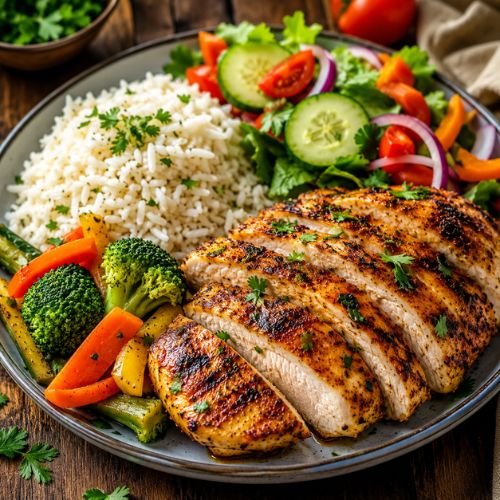
This garlic herb chicken and vegetable bake is a simple, flavorful option for busy families, working professionals, and anyone who wants to make meal planning easier. Tender chicken, roasted potatoes, sweet carrots, fresh broccoli, aromatic garlic, and fragrant herbs come together in one convenient dish. A touch of lemon adds brightness, while olive oil helps the seasonings coat the ingredients evenly.
The recipe is designed to save time without sacrificing flavor or quality. You can prepare the vegetables and seasonings ahead of time, refrigerate the ingredients safely, and cook the meal when you are ready. Alternatively, prepare the complete dish in advance, divide it into portions, and refrigerate or freeze it for future meals.
In this guide, you will learn how to select quality ingredients, prepare the chicken for tenderness, roast vegetables evenly, and store leftovers safely. You will also discover useful ingredient substitutions, cooking techniques, nutritional estimates, serving suggestions, and practical answers to common questions about make ahead dinner recipes.
Whether you are planning weekday dinners or preparing meals for the entire family, this recipe offers a straightforward way to bring fresh flavors to your table.
Recipe Quick-Facts Summary Card
Recipe Name: Garlic Herb Chicken and Vegetable Bake
- Prep Time: 20 minutes
- Cook Time: 30–40 minutes
- Total Time: 50–60 minutes
- Skill Level: Easy to intermediate
- Servings: 4 people
- Estimated Calories: 430–480 per serving
- Estimated Cost: $2.50–$4.50 per serving
- Primary Diet Type: High-protein, dairy-free, and gluten-free when ingredients are uncontaminated
- Cooking Method: Oven roasting
- Make-Ahead Option: Prepare the ingredients in advance or cook the complete meal for later
Cost and nutritional figures are estimates and may vary according to ingredient brands, portion sizes, and local grocery prices.
Why This Recipe Works (EEAT Value Points)
This garlic herb chicken bake combines simple ingredients, reliable cooking techniques, and practical meal-preparation methods.
- Balanced Flavor: Garlic adds savory depth, lemon provides brightness, and oregano and thyme contribute earthy herbal notes. Olive oil helps distribute the seasoning evenly, creating a flavorful coating without requiring a heavy sauce.
- Simple Cooking Method: The chicken and vegetables roast in the same baking dish, reducing cleanup and making preparation manageable. Cutting the vegetables into similar-sized pieces helps them cook more evenly.
- Flexible Make-Ahead Preparation: You can chop the vegetables, measure the seasonings, and prepare the ingredients before cooking day. Alternatively, cook the entire meal ahead and divide it into individual portions for convenient lunches and dinners.
- Budget-Friendly Ingredients: Chicken, potatoes, carrots, broccoli, and onions are versatile ingredients available in many grocery stores. Seasonal vegetables and suitable substitutions can help reduce costs and minimize food waste.
- Useful for Weekly Meal Planning: The finished dish pairs well with rice, salads, bread, and other side dishes. You can also vary the vegetables and seasonings to create different meals without changing the basic cooking method.
The main advantage is consistency. Planning ahead reduces last-minute preparation and makes it easier to serve a satisfying homemade dinner on busy days.
Kitchen Tools & Equipment Guide

You do not need professional equipment to prepare this recipe successfully. However, a few essential tools can improve cooking results and make the process safer.
- Large Rimmed Baking Sheet: Provides enough space for the chicken and vegetables to roast without excessive crowding.
- Sharp Chef’s Knife: Helps you cut vegetables into uniform pieces for more consistent cooking.
- Cutting Board: Use separate boards for raw chicken and vegetables whenever possible.
- Mixing Bowls: Allow you to season the chicken and vegetables separately.
- Measuring Cups and Spoons: Help maintain consistent ingredient quantities and flavor.
- Instant-Read Thermometer: Verifies that chicken reaches the safe internal temperature of 165°F (74°C).
- Tongs or Spatula: Make it easier to turn vegetables and handle cooked ingredients.
A kitchen timer is also useful because different ingredients may finish cooking at different times. Always follow the manufacturer’s instructions for oven-safe cookware and baking materials.
Ingredient Selection, Quality & Substitutions
Choosing fresh ingredients and measuring seasonings carefully helps produce a flavorful and reliable dinner.
Ingredients for the Chicken
- 680 g (1.5 lb) boneless, skinless chicken breasts
- 30 ml (2 tablespoons) olive oil
- 12 g (4 cloves) fresh garlic, minced
- 30 ml (2 tablespoons) fresh lemon juice
- 1 teaspoon lemon zest
- 1 teaspoon dried oregano
- 1 teaspoon dried thyme
- 1 teaspoon paprika
- ½ teaspoon ground black pepper
- ½ teaspoon salt, or to taste
Ingredients for the Vegetables
- 450 g (1 lb) baby potatoes, quartered
- 200 g (approximately 1½ cups) carrots, cut into bite-sized pieces
- 250 g (approximately 3 cups) broccoli florets
- 150 g (1 medium) red onion, cut into wedges
- 15 ml (1 tablespoon) olive oil
- 2 tablespoons fresh parsley, chopped
Choosing Quality Chicken
Select fresh chicken breasts that are similar in thickness so they cook more evenly. If one breast is significantly thicker than the others, gently flatten the thickest section to improve consistency.
Boneless chicken thighs are another option. They contain more fat and generally have a richer flavor, although their cooking time may differ depending on their size and whether they contain bones.
Selecting Fresh Vegetables
Choose firm potatoes, fresh carrots, and broccoli with compact florets. Red onions contribute sweetness as they roast, while potatoes provide a satisfying texture.
Cut potatoes and carrots into similarly sized pieces. Because these vegetables generally take longer to soften than broccoli, they should begin roasting before the broccoli is added.
Understanding the Seasonings
Fresh garlic contributes a pronounced savory aroma. Oregano and thyme provide earthy herbal flavors, while paprika adds color and gentle warmth. Lemon juice brings acidity, and lemon zest provides fragrant citrus oils.
For a smoky flavor, use smoked paprika instead of ordinary paprika. If fresh garlic is unavailable, approximately 1 teaspoon of garlic powder can be used as a starting substitute.
Practical Ingredient Substitutions
- There is no dairy in the recipe as written.
- Gluten-Free: The ingredients are naturally gluten-free when uncontaminated. Check packaged seasonings and prepared sides.
- Lower-Sodium: Reduce the added salt and use salt-free herbs and spices.
- Lower-Carbohydrate: Replace potatoes and some carrots with cauliflower, zucchini, or additional broccoli.
- Alternative Vegetables: Green beans, bell peppers, cauliflower, and Brussels sprouts can work well with appropriate cooking-time adjustments.
For make-ahead preparation, store raw chicken separately from ready-to-eat foods in a covered container in the refrigerator at 40°F (4°C) or below.
Culinary Masterclass: Step-by-Step Instructions
Follow these steps to prepare tender chicken and flavorful vegetables while keeping the cooking process organized.
Step 1: Prep Work & Seasoning
Preheat your oven to 425°F (220°C). If you use a fan-assisted oven, consult its instructions because the appropriate temperature may differ.
Prepare the vegetables on a clean cutting board. Cut the potatoes into approximately 1-inch (2.5 cm) pieces, slice the carrots into similar-sized chunks, divide the broccoli into florets, and cut the red onion into wedges.
Make a large mixing bowl out of the potatoes and carrots. Add 1 tablespoon of olive oil and season with some of the oregano, thyme, paprika, black pepper, and salt.Ensure that the vegetables are well coated by tossing.
In a separate bowl, combine the remaining olive oil, minced garlic, lemon juice, lemon zest, herbs, paprika, pepper, and salt. Add the chicken breasts and turn them until the seasoning coats their surfaces.
Refrigerate the chicken and vegetables separately if you prepare them ahead.Prepared ingredients should be cooked within 24 hours for best quality.
Never leave raw chicken at room temperature while preparing the other ingredients.
Step 2: Searing & Sautéing
For additional flavor, heat a large oven-safe skillet over medium-high heat. Add a little oil if necessary, then carefully place the seasoned chicken in the pan.
You should hear a clear sizzle when the chicken touches the hot surface. Sear each side for approximately 2–3 minutes, until lightly golden. Searing develops surface flavor but does not fully cook the chicken.
This step is optional. If you prefer less cleanup, roast the chicken directly with the vegetables.
Spread the potatoes and carrots across a large rimmed baking sheet in a single layer. Roast for approximately 10–15 minutes before adding the broccoli and onion.
Next, arrange the chicken among the vegetables without stacking the pieces. Leave enough space for hot air to circulate around the ingredients.
Step 3: Sauce Building & Simmering
This recipe uses a light garlic-lemon dressing rather than a thick sauce. As the chicken cooks, its juices combine with the olive oil, herbs, garlic, and lemon to create a savory coating.
For additional moisture, add 2–3 tablespoons (30–45 ml) of low-sodium chicken broth if desired. Avoid adding too much liquid because the vegetables may steam instead of roast.
Return the baking sheet to the oven and cook for approximately 15–25 minutes, checking the ingredients as they approach doneness. The actual cooking time depends on the thickness of the chicken, the size of the vegetables, and your oven’s performance.
Check the thickest part of every chicken breast using an instant-read thermometer. Each piece must reach 165°F (74°C) to be considered safely cooked.
Test the potatoes with a fork. They should be tender in the center, while the broccoli should be cooked but retain some structure.
If the chicken reaches its safe temperature before the vegetables finish cooking, transfer the chicken to a clean plate and continue roasting the vegetables until tender.
Step 4: Finishing, Resting, and Garnishing
Remove the chicken from the oven once every piece has reached 165°F (74°C). Allow it to rest for approximately 5 minutes before slicing.
Resting makes the meat easier to cut and allows the juices to redistribute. However, resting does not replace the requirement to reach a safe internal cooking temperature.
Sprinkle freshly chopped parsley over the chicken and vegetables. Add a small squeeze of lemon juice if the dish needs more brightness.
The finished chicken should be tender, with lightly browned edges and a fragrant garlic-herb aroma. The potatoes should be soft inside, the carrots naturally sweet, and the broccoli cooked without becoming mushy.
Serve immediately or divide the meal into shallow containers for refrigerated storage.
Three Ways to Make This Dinner Ahead
Option A: Prepare the Ingredients
Cut the vegetables, measure the seasonings, and refrigerate the ingredients separately. Cook the meal on the day you plan to serve it.
Option B: Cook the Entire Meal
Roast the chicken and vegetables, divide them into shallow containers, and refrigerate promptly. Reheat individual servings when needed.
Option C: Freeze Cooked Portions
Store the cooled meal in airtight, freezer-safe containers. Potatoes and broccoli may soften after freezing and thawing, but this method is useful when convenience matters more than maintaining perfectly crisp vegetables.
The Science of Flavor & Chef’s Insider Techniques
Understanding basic cooking science can help you prepare make-ahead dinners with better flavor and texture.
The Maillard Reaction
The Maillard reaction is a chemical process involving amino compounds and reducing sugars that creates many of the flavors and aromas associated with browned food. It contributes to the savory surface of seared chicken and the roasted edges of vegetables.
For better browning, pat the chicken’s surface relatively dry before searing. Leave space between pieces and avoid moving them repeatedly. Excess moisture and overcrowding can slow browning.
Temperature Control and Tenderness
Chicken breast is relatively lean, so excessive cooking can make it firm and dry. An instant-read thermometer provides a more reliable measure of doneness than appearance alone.
Begin checking the chicken before the estimated cooking time ends. Remove each piece when it reaches 165°F (74°C), rather than allowing every breast to remain in the oven for the same arbitrary period.
Balancing Fat and Acidity
Olive oil helps distribute the seasonings and carries aromatic compounds from garlic and herbs. Lemon juice adds acidity, which balances the richness of the oil and gives the finished dish a brighter flavor.
For a fresher finish, reserve a small amount of lemon juice and parsley for serving. These ingredients can make refrigerated leftovers taste more vibrant.
Different Vegetables Need Different Cooking Times
Potatoes and carrots generally need more time to soften than broccoli. Roasting the denser vegetables first gives them a head start and helps prevent the broccoli from becoming mushy.
Uniform cutting also matters. Smaller potato pieces may become tender before larger pieces, so keep their dimensions as consistent as possible.
Protecting Texture During Meal Prep
Refrigeration and reheating can change food texture. Chicken may lose moisture, and vegetables may soften inside sealed containers.
To improve the result, avoid overcooking the chicken, refrigerate portions promptly, and add a small amount of broth before reheating if necessary. Reheating vegetables separately can help restore some of their roasted texture.
Common Cooking Mistakes & Troubleshooting Guide
Even a straightforward recipe can produce inconsistent results. Practical solutions to common problems are offered here.
Mistake 1: Overcrowding the Baking Tray
Due to moisture released by the chicken and vegetables, the surfaces are steamed instead of browned.
Solution: Use a larger tray or divide the ingredients between two trays. Arrange the ingredients in a single layer and leave space between the pieces.
Mistake 2: Dry or Tough Chicken
Problem: The chicken cooks for too long and loses moisture.
Solution: Choose similarly sized chicken breasts and check their temperatures early. Remove each breast when it reaches 165°F (74°C). When reheating leftovers, add a little broth and cover the container to reduce moisture loss.
Mistake 3: Hard Potatoes and Overcooked Broccoli
Problem: Dense vegetables remain firm while the broccoli becomes overly soft.
Solution: Cut potatoes and carrots into uniform pieces and give them a head start in the oven. Add broccoli later. If the chicken finishes first, remove it and continue roasting the vegetables.
Mistake 4: Weak or Unbalanced Flavor
Problem: The seasoning seems bland, or the lemon and salt overpower the other ingredients.
Solution: Measure the seasonings and add salt gradually. Taste the finished meal before adjusting it. A little fresh lemon juice or parsley can improve flavor without requiring additional salt.
Additional Troubleshooting Tips
- Pale vegetables: Reduce overcrowding and ensure the oven is fully preheated.
- Burnt garlic: Avoid exposing minced garlic to excessive direct heat for prolonged periods.
- Watery baking dish: Reduce added broth and spread the ingredients across a larger surface.
- Dry leftovers: Cover the food during reheating and add a small splash of broth or water.
- Uneven cooking: Check the oven’s temperature accuracy and rotate the tray if your oven has noticeable hot spots.
The key is to manage moisture, temperature, and cooking time rather than assuming every ingredient will finish at the same moment.
Food Safety, Storage, Meal Prep & Reheating
Food safety is essential when preparing dinners in advance. Proper storage helps preserve quality while reducing the risk of foodborne illness.
Safe Cooking and Handling
- Cook every chicken breast to an internal temperature of 165°F (74°C).
- Keep raw poultry refrigerated at 40°F (4°C) or below.
- Store raw chicken in a sealed container on the lowest refrigerator shelf.
- Wash your hands and clean utensils and surfaces after handling raw poultry.
- Keep cooked food separate from plates and utensils that have touched raw chicken.
- Using water to wash raw chicken can spread bacteria.
Refrigerator Storage
When refrigerated promptly at 40°F (4°C) or below, leftover chicken and vegetables keep for 3–4 days.
Place the food in shallow, covered containers to help it cool quickly. Refrigerate perishable food within 2 hours of cooking, or within 1 hour when the surrounding temperature exceeds 90°F (32°C).
Freezer Storage
Freeze the cooked meal in airtight, freezer-safe containers at 0°F (-18°C). For best quality, aim to use frozen portions within approximately 2–6 months. This is a quality guideline rather than a universal safety expiration date.
The preparation date and contents should be written on containers. Thaw portions in the refrigerator whenever possible rather than leaving them on the counter.
Reheating Without Drying the Chicken
Oven Method: Place a serving in an oven-safe dish, add a small splash of broth or water, and cover loosely. Heat at approximately 325°F (165°C) until the food reaches 165°F (74°C) throughout.
Microwave Method: Place the food in a microwave-safe container and cover with a vented lid. Add a little moisture, rotate or stir as appropriate, and check the temperature in several places. Allow a short standing period before checking the final temperature.
Air Fryer Method: An air fryer can help restore some crispness to the vegetables. Use moderate portions and verify that the entire serving reaches 165°F (74°C).
If you want to eat only a part of the dish, do not heat and cool it repeatedly. If food has been stored or handled unsafely, reheating does not necessarily make it safe.
A Practical Weekly Meal-Prep Plan
- Preparation Day: Buy the ingredients, prepare the vegetables, and organize the seasonings.
- Cooking Day: Roast the chicken and vegetables, then portion the finished meal into shallow containers.
- Storage: Refrigerate portions intended for the next few days and freeze those intended for later.
- Serving: Reheat one portion at a time and add fresh herbs or lemon before eating.
This routine makes dinner planning more predictable while helping reduce food waste and last-minute preparation.
Nutrition & Dietary Considerations
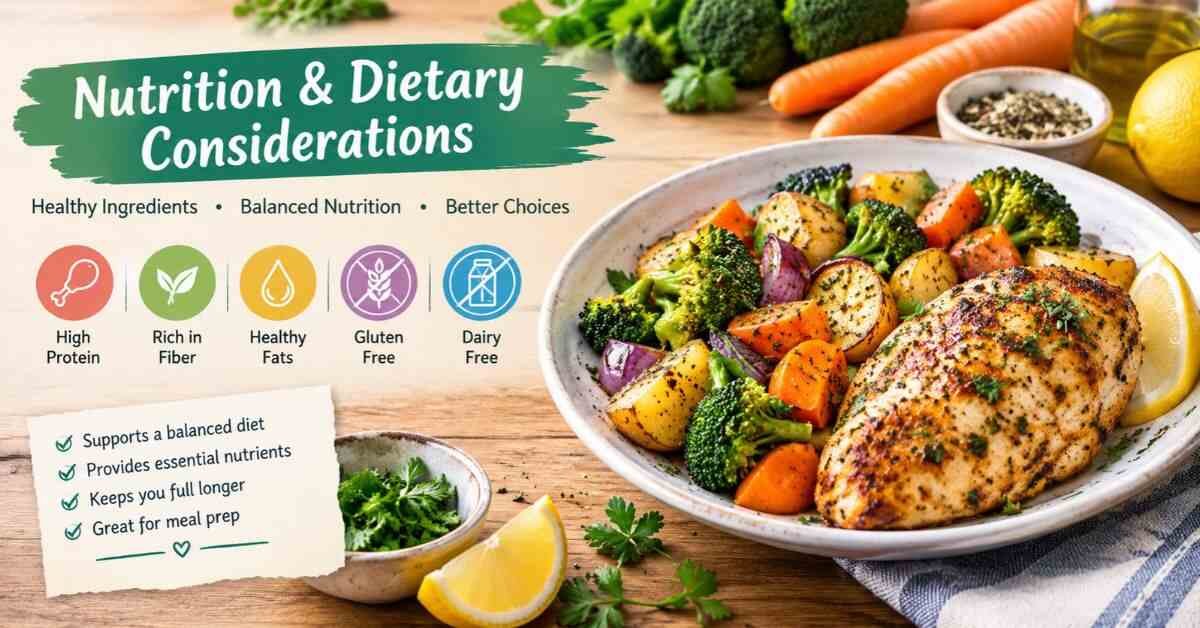
This garlic herb chicken and vegetable bake combines protein from chicken, carbohydrates from potatoes, fiber from vegetables, and fat primarily from olive oil.
Estimated Nutrition Per Serving
The following figures are illustrative estimates for one-quarter of the recipe.
- Calories: Approximately 450 kcal
- Protein: Approximately 43 g
- Carbohydrates: Approximately 35 g
- Total Fat: Approximately 15 g
- Saturated Fat: Approximately 2.5 g
- Fiber: Approximately 6 g
- Sodium: Approximately 450–650 mg
Actual nutrition varies according to chicken size, ingredient brands, added salt, oil consumption, and portion size. These figures have not been laboratory tested.
Protein and Everyday Nutrition
Chicken provides protein needed for normal tissue maintenance and many other body functions. Including a protein source at dinner can also help make the meal satisfying.
Vegetables and Fiber
Broccoli, carrots, onions, and potatoes contribute a variety of vitamins, minerals, and dietary fiber. Eating a range of vegetables throughout the day can help broaden nutrient intake.
Carbohydrates and Healthy Fats
Potatoes supply carbohydrates for energy, while olive oil contributes unsaturated fats. Although olive oil is a useful ingredient, it is energy-dense, so measuring the quantity helps maintain consistent portions.
Dietary Modifications
For a lower-carbohydrate version, replace some or all of the potatoes with cauliflower or zucchini. For a lower-sodium option, reduce the salt and rely more heavily on herbs, garlic, and lemon. Lower the salt and use more herbs, garlic, and lemon as a lower-sodium alternative.
The recipe is dairy-free as written and can fit a gluten-free eating pattern when ingredients are uncontaminated. Individual nutritional needs differ, so these estimates should not be treated as personalized dietary advice.
Pairings & Serving Suggestions
The right side dishes can turn this make-ahead chicken bake into a complete meal while adding variety to your weekly menu.
Fluffy Rice or Quinoa
Steamed rice is an easy accompaniment for family dinners. Quinoa is another option that contributes additional protein and fiber. Spoon a little of the lemony pan juice over the grains for extra flavor.
Fresh Cucumber and Tomato Salad
Combine cucumber, tomatoes, red onion, and a light lemon dressing for a refreshing contrast to the roasted vegetables. If preparing the salad ahead, store the dressing separately and add it shortly before serving.
Whole-Grain Bread
Whole-grain bread complements the garlic and herbs and provides another source of carbohydrates and fiber. Choose a suitable gluten-free alternative if needed.
Steamed Green Beans
Green beans provide a simple vegetable side with a pleasant texture. Steam them until tender but still slightly firm, then finish with lemon zest and black pepper.
Refreshing Beverages
Lemon water, sparkling water with mint, or unsweetened iced tea pairs well with the savory seasoning without making the meal feel heavy.
Serving Ideas for Different Occasions
- Busy Weeknight: Serve the chicken and vegetables directly from the baking dish.
- Family Dinner: Arrange the chicken on a platter and surround it with colorful vegetables.
- Meal-Prep Lunch: Divide the chicken and vegetables into individual containers, adding rice separately if desired.
- Casual Gathering: Decoratively present the dish with chopped parsley and lemon wedges.
For the best texture, keep fresh garnishes separate until serving. A small finishing touch can make a reheated meal feel more appealing without requiring additional cooking.
Final Verdict & Reader Invitation
Make ahead dinner recipes can transform busy evenings by making home cooking more organized, convenient, and enjoyable. This garlic herb chicken and vegetable bake combines accessible ingredients, straightforward preparation, and satisfying flavors in one practical family meal.
Whether you prepare the ingredients the night before or cook several portions for the week, remember to plan ahead, handle the food safely, and avoid overcooking the chicken.
At DaliyDelish.com, we believe homemade meals should be approachable and enjoyable for every home cook.
The best make-ahead dinners are meals that store safely, reheat conveniently, and retain an enjoyable texture. Chicken and vegetable bakes, soups, stews, casseroles, and pasta sauces are useful options. This garlic herb chicken bake can be prepared as separate ingredients ahead of time or cooked completely and divided into portions for later meals.
Yes. Cut the vegetables, measure the seasonings, and refrigerate the ingredients in covered containers. Keep raw chicken separate from ready-to-eat foods and maintain a refrigerator temperature of 40°F (4°C) or below. For best quality, cook the prepared ingredients within approximately 24 hours. You can also cook the complete meal ahead and refrigerate it promptly.
Cooked chicken and vegetable leftovers generally last 3–4 days when refrigerated promptly at 40°F (4°C) or below. Store them in shallow, covered containers and reheat leftovers to 165°F (74°C) throughout. Discard food that has been stored or handled unsafely, even if it looks or smells normal.
Avoid overcooking the chicken, store portions in covered containers, and add a small splash of broth or water before reheating. Cover the food during oven reheating to help retain moisture. Verify that the meal reaches 165°F (74°C) throughout. Adding fresh lemon juice and parsley after reheating can also refresh the flavor.

Tosique Haider -Passionate writer sharing informative, engaging, and easy-to-read articles across different topics. Focused on delivering valuable content that helps readers learn, explore, and stay inspired every day.