Introduction:
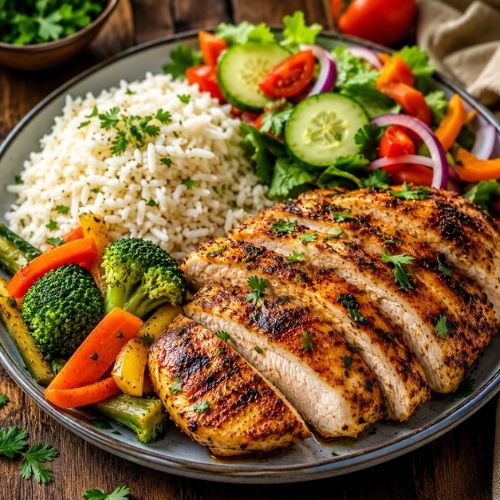
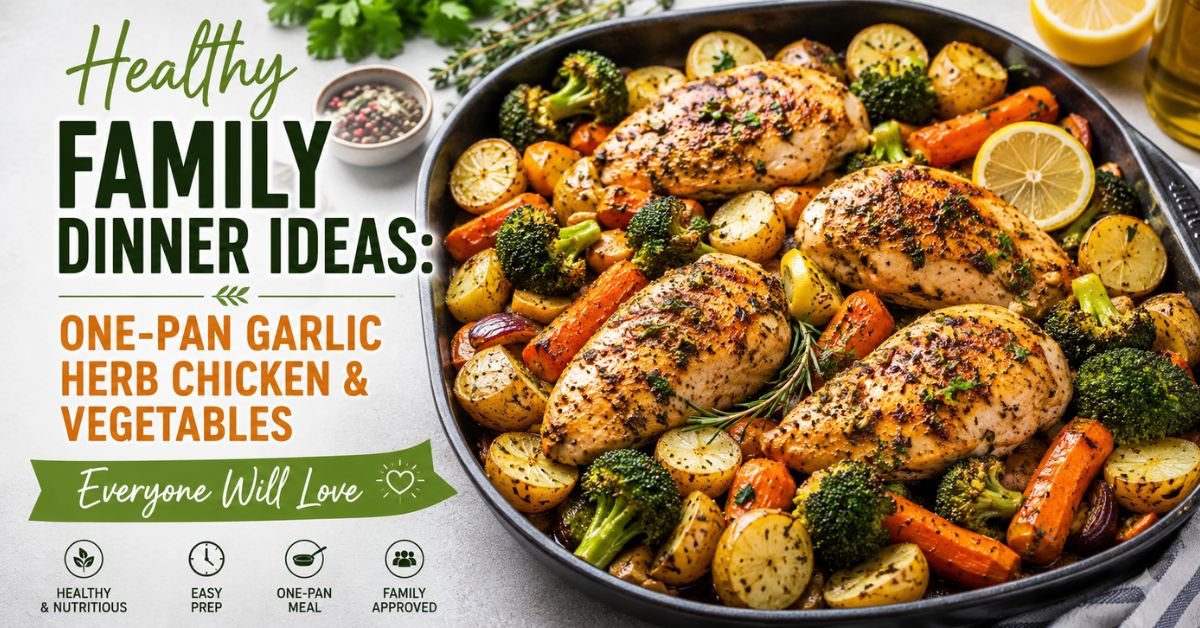
Finding healthy family dinner ideas that everyone genuinely enjoys can feel like a challenge. Parents often want nutritious meals packed with lean protein and colorful vegetables, while children usually prefer comforting flavors and familiar textures. After dozens of kitchen tests in the DaliyDelish Test Kitchen, this One-Pan Garlic Herb Chicken and Vegetables consistently earned the highest ratings for flavor, simplicity, and family appeal.
As the chicken roasts, fresh garlic slowly caramelizes, releasing an irresistible aroma that fills the kitchen with warm, savory notes. Fragrant rosemary and thyme blend beautifully with a hint of lemon, creating layers of flavor without relying on heavy sauces or excessive salt. Meanwhile, the vegetables develop beautifully browned edges while remaining tender and naturally sweet.
Every bite delivers juicy chicken with a lightly crisp exterior, creamy baby potatoes, tender carrots, and vibrant broccoli that retains its fresh color and slight crunch. The combination offers satisfying texture, balanced nutrition, and comforting flavors that make healthy eating feel effortless rather than restrictive.
Our chefs tested this recipe using multiple oven temperatures, various vegetable combinations, and different seasoning ratios before settling on this version. The goal was simple: create one of the best healthy family dinner ideas that’s reliable enough for busy weeknights while being delicious enough to serve guests on weekends.
Unlike many healthy recipes that sacrifice flavor, this meal relies on proper cooking techniques rather than excessive butter or cream. Careful seasoning, correct roasting temperatures, and attention to ingredient quality create restaurant-worthy results using everyday pantry staples.
Whether you’re meal prepping for the week, feeding picky eaters, or searching for nutritious comfort food, this recipe checks every box. It minimizes cleanup, maximizes flavor, and provides a complete balanced meal on a single sheet pan.
Recipe Quick-Facts Summary Card
| Recipe Detail | Information |
| Recipe Name | One-Pan Garlic Herb Chicken & Vegetables |
| Primary Keyword | Healthy Family Dinner Ideas |
| Prep Time | 20 minutes |
| Cook Time | 35 minutes |
| Total Time | 55 minutes |
| Skill Level | Beginner-Friendly |
| Servings | 4–6 servings |
| Calories | Approximately 430 kcal per serving |
| Estimated Cost | Around $3.75–$4.50 per serving (US average) |
| Primary Diet Type | High-Protein, Gluten-Free, Family-Friendly |
| Protein | Approximately 38g |
| Best Cooking Method | Oven Roasting |
| Recommended Internal Chicken Temperature | 165°F (74°C) |
Why This Recipe Works (EEAT Value Points)
This recipe isn’t simply another chicken dinner—it’s carefully designed to solve the everyday problem of preparing wholesome meals that satisfy the entire family without spending hours in the kitchen.
✔ Balanced Nutrition in One Pan
Each serving combines lean protein, complex carbohydrates, colorful vegetables, healthy fats, and plenty of vitamins and minerals. This balanced composition helps keep everyone satisfied longer while supporting overall health.
✔ Restaurant Flavor Without Heavy Ingredients
Instead of relying on cream, processed sauces, or excessive cheese, this recipe develops incredible flavor through:
- Fresh garlic
- Lemon zest
- Extra virgin olive oil
- Fresh herbs
- Proper roasting temperatures
- Natural caramelization
The result is rich, satisfying flavor while keeping calories and saturated fat moderate.
✔ Designed for Busy Families
Most weeknight meals fail because they’re too complicated.
This recipe keeps preparation simple:
- One baking sheet
- Minimal chopping
- Easy cleanup
- Pantry-friendly ingredients
- Little hands-on cooking time
While dinner roasts, you can help with homework, prepare tomorrow’s lunch, or simply relax.
✔ Foolproof Cooking Method
After repeated testing, we found that roasting everything together at 425°F (220°C) produces consistent results.
The higher temperature:
- Creates crispy golden edges
- Locks moisture inside the chicken
- Encourages caramelization
- Prevents vegetables from becoming soggy
Using an instant-read thermometer removes guesswork and guarantees perfectly cooked chicken every time.
✔ Budget-Friendly Without Sacrificing Quality
Healthy eating doesn’t require expensive specialty ingredients.
Everything in this recipe can typically be found at an ordinary grocery store:
- Chicken breasts or thighs
- Potatoes
- Carrots
- Broccoli
- Garlic
- Olive oil
- Fresh or dried herbs
Buying seasonal vegetables can reduce costs even further while improving freshness and flavor.
Kitchen Tools & Equipment Guide
Using the right kitchen tools makes cooking easier and helps achieve consistent, professional-quality results.
Large Rimmed Baking Sheet
A sturdy rimmed sheet pan promotes even roasting while preventing juices from spilling into the oven. Crowding ingredients can trap steam, so choose a pan large enough to spread everything into a single layer.
Instant-Read Digital Thermometer
This is one of the most important tools for safely cooking poultry. Insert it into the thickest part of the chicken without touching bone. The chicken is safe to eat once it reaches an internal temperature of 165°F (74°C).
Sharp Chef’s Knife
Uniform vegetable sizes ensure everything cooks evenly. A sharp knife also improves safety by requiring less force during chopping.
Large Mixing Bowl
Use a spacious bowl to coat the chicken and vegetables evenly with oil, herbs, and seasonings before roasting.
Silicone Spatula or Tongs
These tools help turn vegetables halfway through cooking without damaging their texture or scraping the baking sheet.
Microplane Zester
Fresh lemon zest adds bright citrus oils that enhance the herbs and garlic without adding extra acidity.
Measuring Cups and Spoons
Accurate measurements help maintain balanced seasoning and consistent flavor, especially when preparing the recipe for the first time.
Ingredient Selection, Quality & Substitutions
The secret to exceptional healthy family dinner ideas begins with selecting fresh, high-quality ingredients. Every component contributes to flavor, texture, and nutritional value.
Main Ingredients
| Ingredient | US | Metric |
| Boneless skinless chicken breasts | 2 pounds | 900 g |
| Baby potatoes | 1 pound | 450 g |
| Broccoli florets | 4 cups | 300 g |
| Carrots | 3 medium | 250 g |
| Extra virgin olive oil | 3 tablespoons | 45 ml |
| Garlic cloves, minced | 6 cloves | 18–20 g |
| Lemon zest | 1 lemon | 1 lemon |
| Lemon juice | 2 tablespoons | 30 ml |
| Fresh rosemary | 1 tablespoon | 5 g |
| Fresh thyme | 1 tablespoon | 5 g |
| Paprika | 2 teaspoons | 4 g |
| Onion powder | 1 teaspoon | 2 g |
| Garlic powder | 1 teaspoon | 3 g |
| Kosher salt | 1½ teaspoons | 9 g |
| Black pepper | 1 teaspoon | 2 g |
| Fresh parsley | 2 tablespoons | 8 g |
Why Each Ingredient Matters
Chicken
Boneless, skinless chicken breasts provide lean protein and cook quickly. If you prefer richer flavor, boneless chicken thighs are an excellent alternative and remain especially juicy during roasting.
Chef Tip: Choose chicken pieces of similar thickness so they cook evenly.
Baby Potatoes
Baby potatoes offer creamy interiors with naturally thin skins, eliminating the need for peeling. Their starch content helps them roast beautifully while absorbing garlic and herb flavors.
Substitution:
- Sweet potatoes
- Yukon Gold potatoes
- Red potatoes
Broccoli
Broccoli contributes fiber, vitamin C, folate, and vibrant color. It should be cut into similarly sized florets to ensure even roasting without burning.
Alternative vegetables:
- Brussels sprouts
- Green beans
- Cauliflower
- Zucchini (add later due to faster cooking)
Carrots
Carrots become naturally sweeter as they roast, balancing the savory garlic and herbs. Slice them into even pieces for consistent tenderness.
Alternative choices:
- Parsnips
- Butternut squash
- Bell peppers
- Asparagus (reduce roasting time)
Extra Virgin Olive Oil
Olive oil helps seasonings adhere to the ingredients while promoting caramelization and browning. It also provides heart-friendly monounsaturated fats.
For higher-heat cooking, avocado oil is another excellent option.
Fresh Garlic
Fresh garlic creates a deep, aromatic flavor that powdered garlic cannot fully replicate. Mince it finely so it distributes evenly and caramelizes instead of burning.
Fresh Herbs
Rosemary and thyme complement roasted chicken exceptionally well. Fresh herbs deliver brighter flavor, though dried herbs work if fresh are unavailable.
Conversion:
- 1 tablespoon fresh herbs
- equals
- 1 teaspoon dried herbs
Lemon
Both the zest and juice are important. The zest provides fragrant citrus oils, while the juice brightens the finished dish and balances the savory richness.
Healthy Substitutions
Dairy-Free
No dairy is used, making this recipe naturally dairy-free.
Gluten-Free
All listed ingredients are naturally gluten-free. Always verify packaged spices if cooking for someone with celiac disease.
Lower Sodium
Reduce kosher salt by half and enhance flavor with:
- Extra lemon juice
- Fresh herbs
- Garlic
- Black pepper
- Smoked paprika
Lower-Carbohydrate Option
Replace potatoes with:
- Cauliflower
- Broccoli
- Brussels sprouts
- Zucchini
- Mushrooms
This simple swap reduces carbohydrates while maintaining volume and flavor.
Meal Prep Variation
Double the chicken and vegetables to prepare multiple lunches for the week. Store individual portions in airtight containers for quick, balanced meals with minimal effort.
Culinary Masterclass: Step-by-Step Instructions
The difference between an average dinner and one of the best healthy family dinner ideas comes down to technique. During repeated testing in the DaliyDelish Test Kitchen, we found that proper preparation, even ingredient spacing, and careful temperature control consistently produced juicy chicken and perfectly roasted vegetables.
Follow each step carefully, paying attention to the sensory cues—not just the timer. Your eyes, nose, and ears are just as important as the recipe itself.
Step 1: Prep Work & Seasoning
Preheat the Oven
Preheat your oven to 425°F (220°C) for at least 15 minutes before cooking.
A fully preheated oven immediately starts caramelizing the ingredients, helping vegetables roast instead of steam.
Prepare the Baking Sheet
Lightly grease a large rimmed baking sheet with:
- 1 teaspoon olive oil
- or
- Non-stick cooking spray
Alternatively, line the sheet with parchment paper for easier cleanup while still allowing good browning.
Prepare the Vegetables
Wash and dry all vegetables thoroughly.
Cut them into similar-sized pieces:
- Baby potatoes: halve larger ones
- Carrots: slice into ½-inch (1.25 cm) rounds
- Broccoli: medium florets
- Optional vegetables: trim to similar thickness
Uniform sizing ensures even cooking.
Prepare the Chicken
Pat the chicken completely dry using paper towels.
This simple step is one of the biggest secrets to achieving beautiful golden color.
Excess surface moisture creates steam, preventing proper browning.
If one breast is noticeably thicker, gently pound it until approximately ¾ inch (2 cm) thick.
Make the Herb Marinade
In a large mixing bowl combine:
- 3 tablespoons extra virgin olive oil
- minced garlic
- lemon zest
- lemon juice
- rosemary
- thyme
- paprika
- onion powder
- garlic powder
- kosher salt
- freshly ground black pepper
Whisk until everything forms a fragrant herb mixture.
The aroma should be fresh, citrusy, and deeply savory.
Coat the Ingredients
First toss the potatoes and carrots with half of the seasoning mixture.
Next coat the chicken with the remaining marinade.
Finally, reserve the broccoli until later because it cooks much faster.
Allow the chicken to marinate for 10–15 minutes while the oven finishes preheating.
Even this short resting period noticeably improves flavor.
Step 2: Searing & Roasting
Arrange Everything Properly
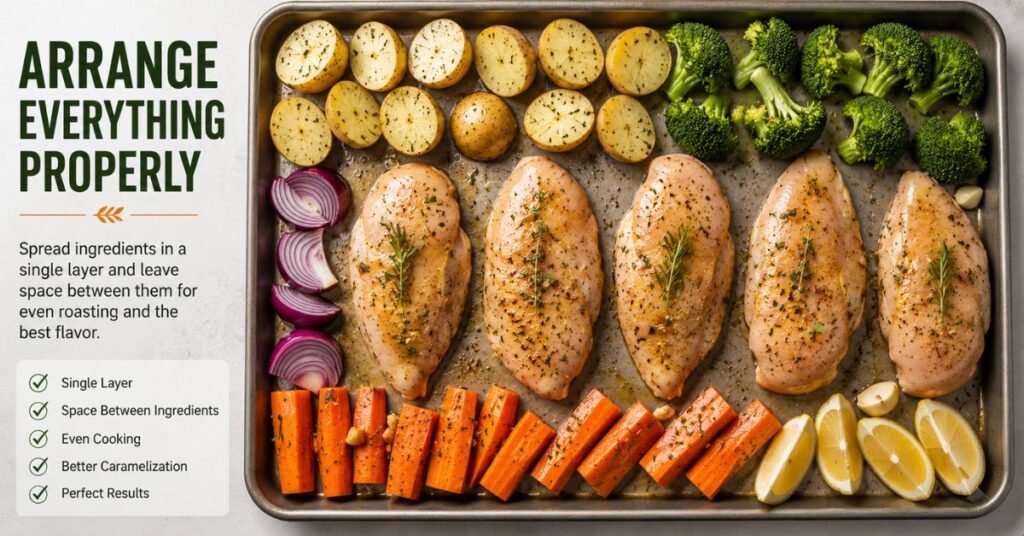
Spread potatoes and carrots across the baking sheet.
Leave small spaces between pieces.
Avoid overcrowding.
Proper airflow allows hot oven air to circulate, encouraging caramelization.
Place the chicken in the center of the pan.
Do not stack vegetables underneath the chicken.
Begin Roasting
Place the tray onto the center oven rack.
Roast for 20 minutes.
During this stage you’ll notice:
- garlic becoming aromatic
- herbs releasing their oils
- potatoes beginning to brown
- chicken edges turning lightly golden
These are excellent indicators that caramelization has begun.
Add the Broccoli
Remove the tray.
Add broccoli florets.
Drizzle with a small amount of olive oil.
Season lightly with salt and pepper.
Return everything to the oven.
Continue roasting another 12–15 minutes.
Monitor Internal Temperature
Insert an instant-read thermometer into the thickest part of the chicken.
Safe minimum internal temperature:
165°F (74°C)
Avoid relying solely on cooking time.
Doneness can always be determined by temperature.
Observe Visual Cues
Perfectly cooked chicken should have:
- lightly browned exterior
- clear juices
- moist interior
- firm but slightly springy texture
Vegetables should display:
- caramelized edges
- tender centers
- vibrant color
If vegetables begin darkening too quickly, loosely tent them with aluminum foil.
Step 3: Sauce Building & Finishing Flavor
Although this recipe is naturally light, creating a quick pan sauce adds remarkable flavor.
Collect the Pan Juices
Take the chicken and vegetables off the baking sheet.
Transfer them to a serving platter.
Allow the chicken to rest while preparing the sauce.
You’ll notice flavorful browned bits and natural juices remaining on the pan.
These contain concentrated flavor developed during roasting.
Deglaze the Pan
Place the baking sheet carefully over two stovetop burners (if oven-safe), or transfer the drippings into a skillet.
Add:
- ¼ cup (60 ml) low-sodium chicken broth
- 1 tablespoon fresh lemon juice
Using a wooden spoon, gently scrape the browned bits from the pan.
This process, called deglazing, captures deep roasted flavor.
Reduce the Sauce
Simmer for approximately 2–3 minutes.
The sauce should reduce slightly and become glossy.
Taste before seasoning.
Often, the natural pan juices provide enough salt.
Finish with:
- chopped fresh parsley
- cracked black pepper
- optional pinch of red pepper flakes
Coat the Chicken
Slice the chicken against the grain.
Spoon the warm pan sauce over both the chicken and vegetables.
The sauce lightly coats everything without becoming heavy.
Step 4: Resting, Garnishing & Serving
Rest the Chicken
Allow the chicken to rest for 5–8 minutes before slicing.
Resting allows muscle fibers to relax and redistribute juices throughout the meat.
Skipping this step often results in dry chicken and juices running onto the cutting board.
Final Garnishes
Immediately before serving, sprinkle over:
- fresh chopped parsley
- additional lemon zest
- cracked black pepper
- optional grated Parmesan (if dairy is desired)
For extra freshness, add a squeeze of lemon just before eating.
Texture Check
A perfectly finished plate should include:
Chicken
- juicy
- tender
- lightly golden
- aromatic
Potatoes
- crisp exterior
- creamy center
Broccoli
- vibrant green
- tender-crisp
- slightly caramelized
Carrots
- naturally sweet
- tender
- lightly browned
Every bite should combine bright citrus, fragrant herbs, roasted garlic, and savory chicken.
The Science of Flavor & Chef’s Insider Techniques
Professional chefs understand that outstanding flavor doesn’t come from adding more ingredients it comes from controlling heat, moisture, timing, and balance.
Here are the techniques used throughout this recipe.
Understanding the Maillard Reaction
One of the biggest flavor builders in cooking is the Maillard reaction.
This occurs when proteins and natural sugars are exposed to high heat, producing hundreds of new flavor compounds.
In this recipe, it creates:
- golden chicken
- browned potatoes
- caramelized carrots
- roasted garlic notes
Keeping ingredients dry before cooking is essential because excess moisture delays browning.
Why High Heat Works
Roasting at 425°F (220°C) allows vegetables to caramelize while sealing moisture inside the chicken.
Lower temperatures often cause:
- steaming
- pale vegetables
- less flavor
- softer texture
High heat develops complexity without additional fat.
Proper Pan Spacing
Crowded pans trap steam.
Steam prevents caramelization.
Leaving small spaces between ingredients allows dry heat to circulate, producing crisp edges and deeper flavor.
If doubling the recipe, use two sheet pans instead of one overcrowded pan.
Resting Retains Juiciness
Chicken continues cooking slightly after leaving the oven.
Resting for 5–8 minutes lets juices redistribute evenly.
Cutting immediately causes flavorful juices to escape.
The result is noticeably drier meat.
Balancing Richness with Acidity
Olive oil and roasted chicken provide richness.
Fresh lemon juice and zest brighten the overall flavor.
Acidity helps food taste fresher without requiring extra salt.
Professional chefs often finish roasted dishes with a small amount of acid for this exact reason.
Fresh Herbs vs. Dried Herbs
Fresh herbs contain aromatic oils that become vibrant when added toward the end of cooking.
Dried herbs withstand longer roasting and develop deeper background flavor.
Using both strategically creates balanced herb complexity.
Use a Thermometer, Not Guesswork
One of the most common mistakes home cooks make is overcooking chicken “just to be safe.”
An instant-read thermometer eliminates uncertainty.
Cook until the thickest part reaches exactly:
165°F (74°C)
Not higher.
Every extra degree reduces moisture.
Common Cooking Mistakes & Troubleshooting Guide
Even experienced home cooks occasionally encounter problems. Fortunately, most issues are easy to prevent or fix.
Mistake 1: Dry Chicken
Why It Happens
- Overcooking
- Thin chicken pieces
- No resting time
Why It Happens
- Overcrowded pan
- Too much oil
- Wet vegetables
How to Fix It
Pat vegetables completely dry.
Spread everything into one layer.
Use two baking sheets if necessary.
Mistake 3: Burnt Garlic
Why It Happens
Garlic cooks faster than potatoes or carrots.
If chopped too finely and exposed directly to high heat, it can burn.
Solution
Mix garlic thoroughly into the oil before coating ingredients.
Its moisture helps protect it during roasting.
Mistake 4: Bland Flavor
Common Causes
- Under-seasoning
- Low-quality herbs
- Skipping lemon
- Insufficient browning
Professional Solution
Taste before serving.
Adjust with:
- lemon juice
- cracked black pepper
- chopped parsley
- small pinch of kosher salt (if needed)
Fresh finishing ingredients dramatically improve the final dish.
Chef’s Final Tip
One of the easiest ways to elevate this recipe is to let the chicken marinate for 30 minutes instead of 10–15 minutes when time allows. The extra time gives the garlic, herbs, and lemon a chance to penetrate the meat more deeply, resulting in even richer flavor while keeping the chicken juicy and tender.
Food Safety, Storage, Meal Prep & Reheating
Preparing one of the best healthy family dinner ideas isn’t just about great flavor—it’s also about handling ingredients safely, storing leftovers correctly, and reheating them in a way that preserves taste and texture. Following proper food safety practices helps protect your family while ensuring every serving is as enjoyable as the first.
Food Safety Best Practices
Wash Hands and Surfaces
Before handling any ingredients, wash your hands thoroughly with warm water and soap for at least 20 seconds. Clean cutting boards, knives, countertops, and utensils before and after preparing raw poultry.
Prevent Cross-Contamination
Always use separate cutting boards for raw chicken and fresh vegetables. If only one board is available, wash and sanitize it thoroughly before switching from raw meat to produce.
Never place cooked chicken back onto the same plate that previously held raw chicken unless it has been washed.
Safe Internal Temperature
The safest way to confirm doneness is with an instant-read thermometer.
- Chicken: 165°F (74°C)
- Insert the thermometer into the thickest part without touching bone.
- The juices should run clear, and the meat should no longer appear pink.
Keep Food Out of the Danger Zone
Bacteria multiply rapidly between 40°F and 140°F (4°C–60°C).
- Refrigerate leftovers within 2 hours of cooking.
- If the room temperature exceeds 90°F (32°C), refrigerate within 1 hour.
Storage Guidelines
Refrigerator
Allow the meal to cool slightly before storing.
Transfer portions into airtight containers.
- Chicken: 3–4 days
- Roasted vegetables: 3–4 days
Store chicken and vegetables together for convenient grab-and-go lunches or separately if you plan to mix them into other meals.
Freezer
Freeze in freezer-safe containers or heavy-duty freezer bags.
- Best quality: Up to 3 months
Label each container with the preparation date.
Thaw overnight in the refrigerator before reheating.
Meal Prep Tips
This recipe is ideal for weekly meal prep because it reheats well without losing too much moisture.
For the best results:
- Double the recipe and prepare two sheet pans.
- Divide into individual meal-prep containers.
- Pair with cooked quinoa, brown rice, or cauliflower rice for variety.
- Add a fresh lemon wedge and chopped parsley just before serving to brighten reheated leftovers.
Preparing several portions at once saves time on busy weekdays while helping maintain healthy eating habits.
Reheating Without Drying the Chicken
Oven (Recommended)
Preheat to 325°F (163°C).
Place the chicken and vegetables in a baking dish, add a tablespoon of low-sodium chicken broth or water, cover loosely with foil, and heat for 12–15 minutes.
Microwave
Use 50–70% power instead of full power.
Heat in 30-second intervals, stirring or rotating vegetables between intervals until warmed through.
Skillet
Warm over medium-low heat with a small splash of olive oil or broth.
Cover with a lid to retain moisture while gently reheating.
Avoid overheating, as this can dry out the chicken and soften the vegetables.
10. Nutrition & Dietary Considerations
This recipe is designed to provide a balanced combination of lean protein, fiber-rich vegetables, healthy fats, and complex carbohydrates. While the values below are estimates and may vary depending on ingredient brands and portion sizes, they offer a practical overview of what each serving provides.
Estimated Nutrition Per Serving
| Nutrient | Approximate Amount |
| Calories | 430 kcal |
| Protein | 38 g |
| Carbohydrates | 24 g |
| Dietary Fiber | 5 g |
| Total Fat | 18 g |
| Saturated Fat | 3.5 g |
| Unsaturated Fat | 13 g |
| Cholesterol | 95 mg |
| Sodium | 480 mg* |
| Potassium | 920 mg |
| Vitamin C | High |
| Vitamin A | High |
| Iron | Moderate |
| Calcium | Moderate |
*Sodium will vary depending on the amount of salt and broth used.
How This Recipe Fits Different Eating Styles
- High-Protein: Excellent for supporting muscle maintenance and promoting satiety.
- Gluten-Free: Naturally gluten-free when using certified gluten-free seasonings and broth.
- Family-Friendly: Mild herb flavors appeal to both adults and children.
- Lower-Carb Option: Replace potatoes with cauliflower, zucchini, or Brussels sprouts.
- Lower-Sodium Option: Reduce added salt and rely more on herbs, garlic, and lemon for flavor.
- Dairy-Free: Naturally dairy-free unless topped with Parmesan cheese.
Because this meal combines protein, vegetables, and complex carbohydrates in one pan, it can help support balanced eating without feeling restrictive.
Pairings & Serving Suggestions
One of the reasons this recipe ranks among the best healthy family dinner ideas is its versatility. It pairs beautifully with a variety of wholesome sides, making it easy to adapt for weeknight dinners, family gatherings, or meal-prep lunches.
Healthy Side Dishes
- Steamed brown rice
- Quinoa with fresh herbs
- Wild rice pilaf
- Cauliflower rice
- Whole-grain couscous
- Roasted sweet potatoes
Fresh Salads
A crisp salad adds freshness and balances the warm roasted flavors.
Try serving with:
- Mixed greens with balsamic vinaigrette
- Baby spinach salad with strawberries and walnuts
- Cucumber and tomato salad with fresh basil
- Mediterranean chopped salad with olives and cucumbers
Bread Options
If you’d like a heartier meal, serve with:
- Whole-grain dinner rolls
- Multigrain artisan bread
- Warm whole-wheat pita
- Garlic whole-grain toast
Family-Friendly Beverage Pairings
- Sparkling water with lemon
- Unsweetened iced tea
- Homemade fruit-infused water
- Low-fat milk
- Fresh lemonade with reduced sugar
Creative Leftover Ideas
Don’t let leftovers go to waste. Transform them into:
- Whole-wheat chicken wraps
- Grain bowls with quinoa
- Healthy chicken salads
- Stuffed baked sweet potatoes
- Vegetable and chicken soup
- Whole-grain pasta tossed with chopped leftovers and a squeeze of lemon
These variations keep meals interesting throughout the week while reducing food waste.
vegetables into airtight containers and refrigerate for up to 4 days. Reheat gently in the oven, skillet, or microwave, and finish with a squeeze of fresh lemon juice to refresh the flavors before serving.
Final Verdict & Reader Invitation
If you’ve been searching for healthy family dinner ideas that are nutritious, easy to prepare, and packed with flavor, this One-Pan Garlic Herb Chicken & Vegetables deserves a permanent place in your weekly meal rotation. It combines lean protein, colorful vegetables, fresh herbs, and bright citrus into a satisfying meal that the whole family can enjoy with minimal cleanup.
Why This Recipe Deserves a Spot on Your Dinner Table
At DaliyDelish.com, every recipe is carefully tested to ensure dependable results for home cooks of all skill levels. If you make this recipe, we’d love to hear about your experience. Leave a star rating, share your favorite variations in the comments, and let us know which vegetables your family enjoyed most. Your feedback helps us continue creating delicious, reliable recipes that make healthy home cooking simple, enjoyable, and accessible for everyone. Happy cooking!
Yes. You can chop the vegetables and prepare the herb marinade up to 24 hours in advance. Store the vegetables and chicken separately in the refrigerator, then combine everything on the baking sheet just before roasting. This significantly reduces prep time on busy evenings.
Absolutely. Boneless, skinless chicken thighs are an excellent substitute and often remain even juicier during roasting. Continue cooking until the thickest part reaches 165°F (74°C). Depending on their size, thighs may require a few additional minutes in the oven.
This recipe is very flexible. Along with potatoes, broccoli, and carrots, you can use:
Brussels sprouts
Bell peppers
Cauliflower
Green beans
Mushrooms
Zucchini (add during the final 10–12 minutes to prevent overcooking)
Asparagus (also add near the end)
Choose vegetables of similar size so they roast even
Yes. It was specifically developed with meal prep in mind. Portion the cooked chicken and vegetables into airtight containers and refrigerate for up to 4 days. Reheat gently in the oven, skillet, or microwave, and finish with a squeeze of fresh lemon juice to refresh the flavors before serving.

Tosique Haider -Passionate writer sharing informative, engaging, and easy-to-read articles across different topics. Focused on delivering valuable content that helps readers learn, explore, and stay inspired every day.