Introduction:
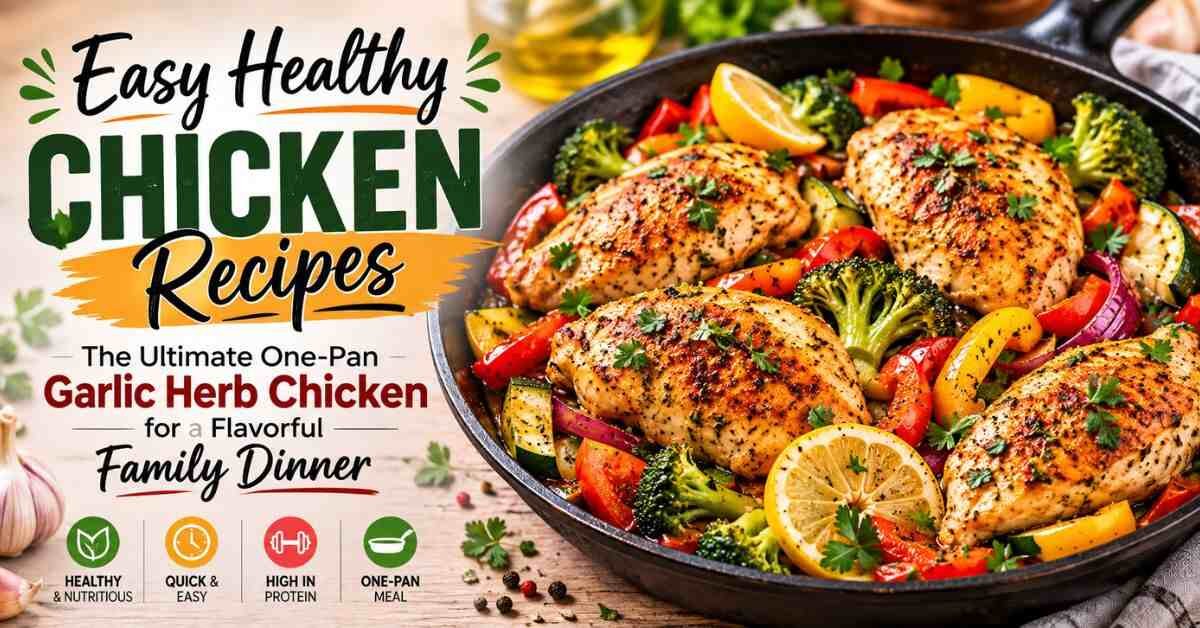
When you are searching for easy healthy chicken recipes, the ideal dinner should check more than one box. It needs to be genuinely flavorful, simple enough for a busy weeknight, satisfying without feeling overly heavy, and reliable enough to make again without worrying about dry chicken or bland vegetables.
That is exactly what this One-Pan Garlic Herb Chicken & Vegetables is designed to deliver.
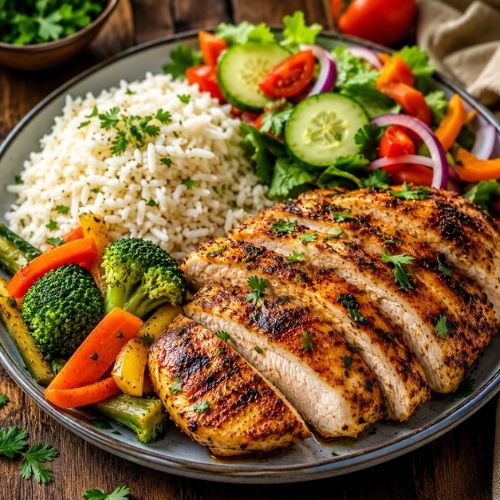
In the DaliyDelish kitchen, this recipe was developed around a simple cooking principle: healthy food should never feel like a compromise. The chicken is seasoned with garlic, paprika, dried herbs, black pepper, and a small amount of olive oil before being seared until beautifully golden. The vegetables cook in the same pan, absorbing the savory juices released by the chicken.
The first thing you notice is the aroma. As the chicken hits the hot skillet, the surface begins to sizzle while garlic, herbs, and paprika bloom in the oil. The finished chicken should have a lightly browned exterior and a juicy, tender center. The vegetables become tender but should retain enough structure to provide contrast.
Why Easy Healthy Chicken Recipes Belong in Every Weeknight Kitchen
A squeeze of fresh lemon at the end is particularly important. It adds acidity that brightens the entire dish and prevents the olive oil and chicken juices from tasting too rich.
I tested this cooking method specifically to solve several common problems with weeknight chicken dinners: uneven cooking, bland seasoning, excessive oil, and vegetables that become either watery or overcooked.
The result is a flexible, family-friendly meal that can be prepared in roughly 35 minutes using one large skillet. It also gives home cooks plenty of room to customize the vegetables, herbs, and seasonings according to what is already available in the kitchen.
Whether you are looking for healthy chicken dinner ideas, a high-protein weeknight meal, or simply an easier way to get a flavorful dinner on the table, this recipe is a dependable starting point.
Recipe Quick-Facts Summary Card
| Recipe Detail | Information |
| Recipe | One-Pan Garlic Herb Chicken & Vegetables |
| Prep Time | 15 minutes |
| Cook Time | 20 minutes |
| Total Time | 35 minutes |
| Skill Level | Easy to Intermediate |
| Servings | 4 |
| Estimated Calories | Approximately 390 calories per serving |
| Estimated Cost | Approximately $3–$4 per serving, depending on location and ingredients |
| Primary Diet Type | High-Protein, Naturally Gluten-Free |
| Main Protein | Boneless, skinless chicken breast |
| Cooking Method | Skillet searing and sautéing |
Important: Nutrition and cost estimates are approximate. Actual values vary according to ingredient brands, portion sizes, substitutions, and preparation methods.
Why This Recipe Works (EEAT Value Points)
- Balanced flavor without excessive ingredients: Garlic, paprika, herbs, lemon, and black pepper create layers of flavor without requiring a complicated sauce or large amount of added fat.
- A reliable chicken-cooking technique: Cutting thick chicken breasts into evenly sized portions helps them cook more consistently. A quick sear develops color and flavor, while controlled cooking prevents the exterior from becoming excessively dry.
- Vegetables cook in the same pan: Zucchini, bell pepper, onion, and broccoli provide different colors, textures, and flavors while absorbing some of the savory seasoning left in the skillet.
- Efficient weeknight preparation: Everything is prepared in one skillet, reducing both cooking time and cleanup. You can chop the vegetables while the chicken is coming closer to room temperature.
- Easy to customize: The basic method works with several vegetables and seasonings. You can adapt it for lower sodium, dairy-free meals, or lower-carbohydrate eating patterns without changing the core cooking technique.
The biggest advantage is that the recipe teaches a repeatable cooking method, rather than giving you a rigid formula that only works once.healthy chicken recipes
Kitchen Tools & Equipment Guide
You do not need professional restaurant equipment to make this chicken dinner successfully, but a few tools make a noticeable difference.
Essential Equipment
- Large cast-iron or stainless-steel skillet: A heavy pan holds heat well and provides enough surface area to brown the chicken instead of steaming it.
- Instant-read thermometer: The most reliable way to check whether chicken has reached a safe internal temperature.
- Sharp chef’s knife: Clean cuts help the chicken and vegetables cook evenly.
- Large cutting board: Keep raw chicken preparation separate from ready-to-eat foods.
- Tongs: Useful for turning chicken without piercing it repeatedly.
- Measuring spoons: Consistent seasoning produces more predictable results.
A pan that is too small is one of the most common causes of disappointing results. Crowded chicken releases moisture faster than it can evaporate, which interferes with browning.
Ingredient Selection, Quality & Substitutions
Chicken
- 1½ lb boneless, skinless chicken breasts (680 g)
- 1 tablespoon extra-virgin olive oil (15 mL)
Chicken breasts are naturally lean and work particularly well here because they cook quickly. Choose pieces that are relatively similar in thickness.
If your chicken breasts are very thick, slice them horizontally or gently pound them to a more even thickness.
Seasoning Blend
- 1 teaspoon garlic powder (3 g)
- 1 teaspoon smoked paprika (2–3 g)
- 1 teaspoon dried Italian herbs (1 g)
- ½ teaspoon fine black pepper (1 g)
- ½ teaspoon salt (about 3 g), or adjust to taste
- ¼ teaspoon onion powder (about 1 g)
Garlic powder distributes more evenly than fresh minced garlic during the initial searing stage and is less likely to burn. Fresh garlic can be introduced later when the pan temperature is lower.
Smoked paprika provides subtle depth and color. If you prefer a milder flavor, use sweet paprika instead.
Vegetables
- 1 medium zucchini, about 200 g, sliced
- 1 red bell pepper, about 150 g, sliced
- 1 small broccoli head, about 200 g, cut into small florets
- 1 medium yellow onion, about 150 g, sliced
- Approximately 6 grams of finely minced garlic cloves
Choose firm, fresh vegetables with good color. The goal is to create a mixture of textures rather than cooking everything until soft.
Finishing Ingredients
- 1 tablespoon fresh lemon juice (15 mL)
- 1 teaspoon dried parsley or 1 tablespoon fresh parsley
- 1 teaspoon extra-virgin olive oil, optional (5 mL)
Fresh lemon juice is preferable to bottled lemon juice when available because it provides a brighter aroma.
Tested Substitutions
For dairy-free: The recipe is already dairy-free, so no substitution is required.
Reduce or omit added salt and add lemon juice, garlic, herbs, paprika, and black pepper to provide flavor that is lower in sodium.
For a lower-carbohydrate meal: The recipe already emphasizes lean protein and non-starchy vegetables. Serve it without bread, rice, or pasta.
For chicken thighs: Boneless, skinless chicken thighs can replace chicken breast. They generally remain more moist because they contain more fat, but cooking time may vary.
For vegetables: Green beans, asparagus, mushrooms, cauliflower, or yellow squash can replace some of the vegetables. Cut denser vegetables into smaller pieces so they finish at approximately the same time.
Culinary Masterclass: Step-by-Step Instructions
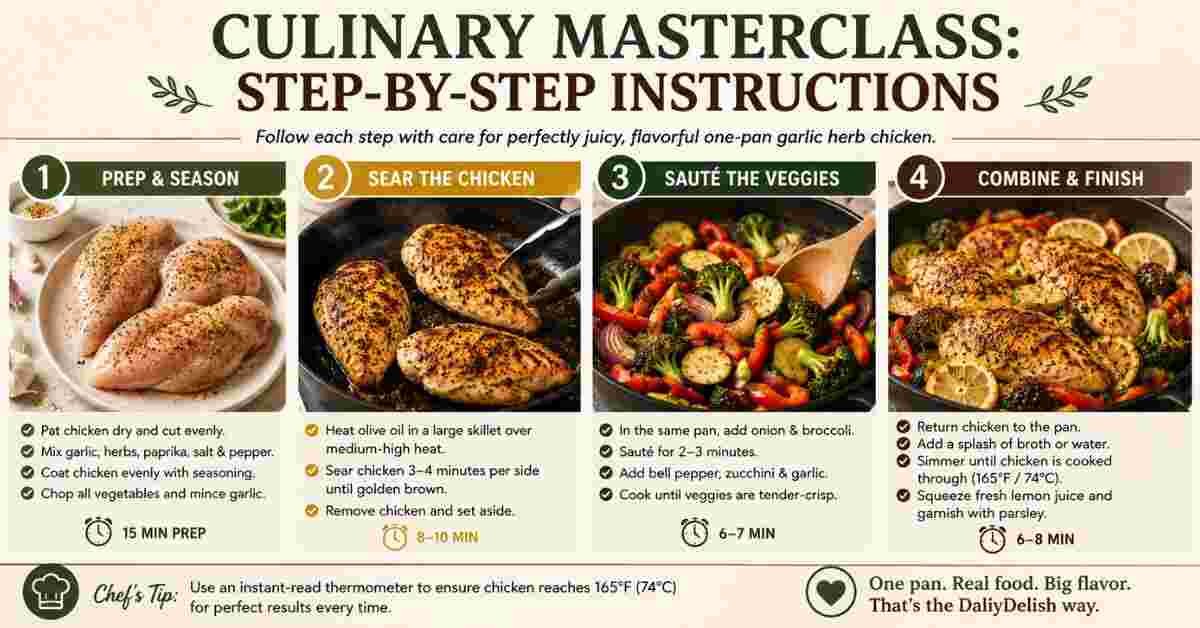
Step 1: Prep Work & Seasoning
Start by preparing all ingredients before turning on the stove.
Using paper towels, pat the chicken breasts dry thoroughly. This small step matters because surface moisture must evaporate before the chicken can brown properly.
If the chicken pieces are thick, slice them horizontally into thinner cutlets or gently pound them to approximately even thickness.
Combine the garlic powder, smoked paprika, dried herbs, black pepper, onion powder, and salt in a small bowl.
The seasoning mixture should be applied evenly to the chicken.
Prepare the vegetables next. Slice the zucchini and bell pepper, cut the broccoli into small florets, and slice the onion. Keep the minced fresh garlic separate because it will be added later.
Heat a large skillet over medium-high heat for approximately 2 minutes.
Add 1 tablespoon of olive oil.
The oil should look fluid and lightly shimmer, but it should not be smoking heavily. If the pan is aggressively smoking, lower the heat slightly and allow it to stabilize.
Step 2: Searing & Sautéing
Place the seasoned chicken into the skillet, leaving space between the pieces.
You should hear an immediate, steady sizzle.
That sound is useful feedback. If the pan barely sizzles, it may not be hot enough. If the oil is violently smoking, it is too hot.
Allow the chicken to cook undisturbed for approximately 3–4 minutes on the first side.
Look for a deep golden-brown surface developing around the edges. Do not constantly move the chicken. Contact with the hot pan is what creates the browned crust.
Turn the chicken and cook the second side for another 2–3 minutes.
At this stage, the chicken does not necessarily need to be fully cooked through because it will continue cooking later.
Transfer the chicken to a clean plate.
Reduce the heat to medium.
The onion and broccoli should be added to the same skillet as the onions. Cook for approximately 3 minutes, stirring occasionally.
Add the bell pepper and zucchini.
Continue cooking for approximately 4–5 minutes.
The vegetables should begin to soften while retaining some bite. You shouldIndividual vegetables should still be identifiable rather than blending together into one soft mass.
Add the minced garlic during the final minute of this stage.
Stir constantly for approximately 30–60 seconds. Garlic can burn quickly, so do not leave it sitting against the hottest portion of the pan.
Step 3: Sauce Building & Simmering
Return the chicken and any accumulated juices from the plate to the skillet.
Add approximately ¼ cup (60 mL) of water or unsalted chicken stock.
Use a wooden spoon or spatula to gently scrape the browned bits from the bottom of the pan.
Those browned pieces are not burnt residue when properly developed. They contain concentrated flavor produced during browning.
Allow everything to simmer gently for approximately 4–6 minutes.
Turn the chicken once or twice so it cooks evenly.
The most important checkpoint is temperature, not appearance.
The thickest part of the chicken should be inserted with an instant-read thermometer.Chicken should reach a safe minimum internal temperature of 165°F (74°C).
Do not rely solely on cutting the chicken open because clear-looking meat is not a reliable food-safety indicator.
Once the chicken reaches the target temperature, turn off the heat.
Step 4: Finishing, Resting, and Garnishing
Add the fresh lemon juice.
Taste the vegetables and pan juices.
You are looking for a balance of savory, slightly smoky, herbal, and acidic flavors. If the dish tastes flat, a small additional squeeze of lemon may help more than adding extra salt.
Sprinkle with fresh parsley or dried parsley.
Allow the chicken to rest for approximately 3–5 minutes before serving.
Resting gives the meat a short period to settle after cooking and makes it easier to slice without immediately losing as much juice onto the plate.
Serve the chicken with plenty of vegetables and spoon some of the flavorful pan juices over the top.
For an attractive presentation, place the chicken slightly off-center and arrange the colorful vegetables around it. Finish with a small lemon wedge and a light sprinkle of parsley.
An Inside Look at Chef’s Flavor Secrets
The quality of this recipe comes largely from controlling heat, moisture, and acidity.
Understanding the Maillard Reaction
The golden surface on the chicken is largely the result of the Maillard reaction, a series of chemical reactions that occur when proteins and reducing sugars are exposed to sufficient heat.
Drying the chicken before cooking helps because excess surface water can keep the temperature near the meat’s surface lower for longer.
That is why a dry chicken breast browns more effectively than a wet one.
Control Your Pan Temperature
A hot pan is important, but extremely high heat is not automatically better.
If the skillet becomes too hot, garlic and spices can burn before the chicken develops a pleasant crust.
Professional cooking is often about making small heat adjustments rather than leaving the burner at maximum power.
Don’t Crowd the Pan
Crowding traps steam.
When too many ingredients are packed into a small skillet, the temperature drops and moisture accumulates. Instead of developing roasted flavors, vegetables become soft and watery.
If necessary, cook in batches.
Resting Matters
Chicken is composed largely of water, protein, and connective tissue. During cooking, heat changes the structure of the proteins.
Allowing the cooked chicken to rest briefly before slicing gives the meat time to stabilize, making the final texture more pleasant.
Acidity Creates Balance
Lemon juice is not merely a garnish.
Acidity can make rich flavors taste brighter and can provide contrast against savory chicken and olive oil. This is why the final squeeze of lemon can transform a dish that otherwise tastes heavy or one-dimensional.
Common Cooking Mistakes & Troubleshooting Guide
Mistake 1: Starting With Wet Chicken
Liquid is leaking from the chicken, which turns pale.
Solution: Pat the chicken thoroughly dry before seasoning. If you have washed the chicken, be especially careful about drying and sanitizing the surrounding preparation area. In general, washing raw poultry is not recommended because splashing water can spread bacteria around the kitchen.
Mistake 2: Overcrowding the Skillet
Problem: The chicken or vegetables steam rather than brown.
Solution: Use a large skillet and leave space between chicken pieces. Cook in batches if needed.
Mistake 3: Burning the Garlic
Problem: The finished dish has a bitter garlic flavor.
Solution: Add fresh minced garlic toward the end of vegetable sautéing and cook it briefly. Garlic burns much faster than chicken or firm vegetables.
Mistake 4: Overcooking the Chicken
Problem: The chicken is dry and chewy.
Solution: Use an instant-read thermometer. Remove the chicken from the heat once it reaches the safe minimum internal temperature of 165°F (74°C). Avoid repeatedly cutting the thickest piece open to check it.
If your chicken is consistently dry, consider using thinner, evenly sized pieces. Thickness is often more important than total cooking time.
Heat-preserving, storing, and preparing food
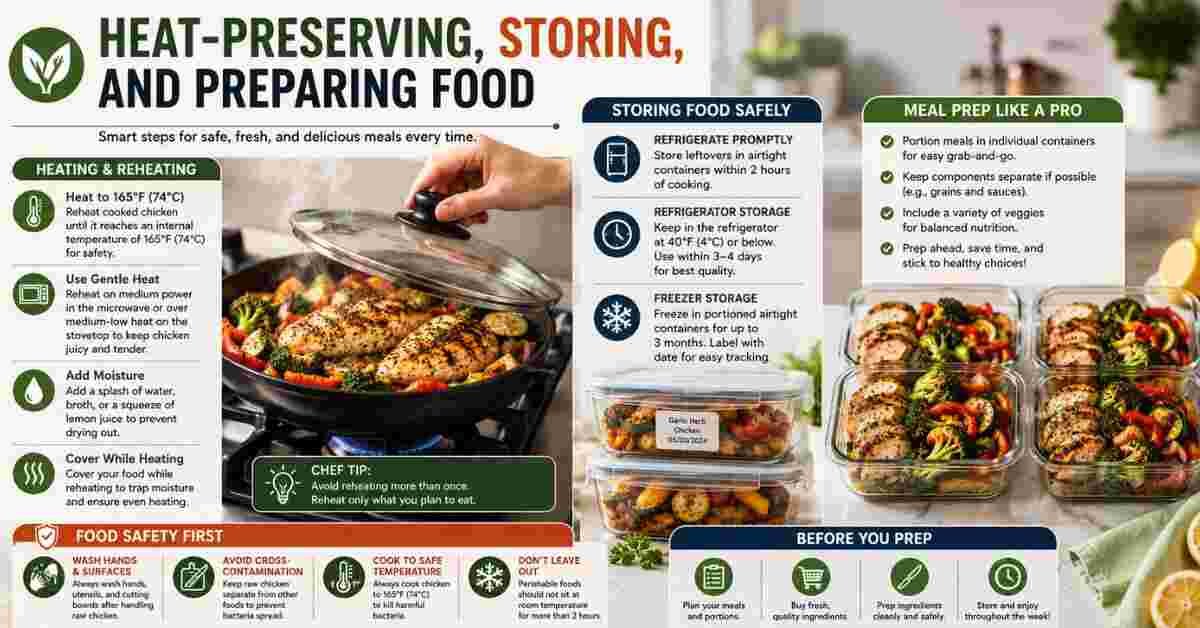
Food safety should always take priority over convenience.
Use separate cutting boards or thoroughly wash and sanitize the board and utensils after handling raw chicken. Keep raw poultry away from salads, cooked vegetables, bread, and other ready-to-eat foods.
Chicken should reach an internal temperature of 165°F (74°C) at the thickest point.
Do not depend on color alone to determine doneness.
Refrigerator Storage
Transfer leftovers to shallow, airtight containers and refrigerate them promptly.
For best quality and food safety, cooked chicken leftovers should generally be consumed within 3–4 days when properly refrigerated.
Freezer Storage
For longer storage, freeze cooled portions in airtight freezer-safe containers or bags.
Label each package with the date. Properly packaged leftovers can maintain good quality in the freezer for several months, although texture and flavor can gradually decline.
Meal-Prep Strategy
For meal prep, divide the chicken and vegetables into four individual containers.
Keep any additional fresh lemon or herbs separate when possible. Add them after reheating for a fresher flavor.
If you plan to prepare the dish several days in advance, slightly undercook the vegetables so they retain more texture after reheating.
Reheating
For microwave reheating, cover the container loosely and heat in short intervals, stirring the vegetables between intervals when practical.
For stovetop reheating, add a tablespoon or two of water or unsalted stock and warm gently over medium-low heat.
Avoid prolonged high heat because it can quickly dry lean chicken breast.
Always reheat leftovers thoroughly before serving.
Nutrition & Dietary Considerations
The following is an estimated nutrition profile per serving, assuming the recipe produces four servings and the listed ingredients are used.
| Nutrient | Approximate Amount |
| Calories | 390 kcal |
| Protein | 48 g |
| Carbohydrates | 17 g |
| Fat | 15 g |
| Fiber | 5 g |
| Sodium | Approximately 500–650 mg |
Actual nutrition can vary substantially depending on the chicken size, vegetable quantities, olive oil absorption, seasoning brands, and salt levels.
The meal is naturally high in protein because chicken breast provides a substantial amount of protein per serving.
The vegetables contribute fiber, vitamins, minerals, and color while keeping the meal relatively vegetable-forward.
For people following specific medical or dietary requirements, nutrition labels and ingredient quantities should be checked individually. If you need a medically prescribed diet, consult an appropriately qualified healthcare professional or registered dietitian.
For a lower-sodium version, use less added salt and choose unsalted chicken stock. Increase herbs, garlic, paprika, black pepper, and lemon to maintain flavor.
For a lower-carbohydrate plate, serve the chicken and vegetables without bread, rice, or pasta.
Pairings & Serving Suggestions
Despite its simplicity, this skillet chicken will serve as a complete meal when paired with the right side dish.
For a Light Dinner
Serve the chicken with a simple green salad containing lettuce, cucumber, tomatoes, and a lemon-based dressing.
The crisp vegetables contrast beautifully with the warm, tender chicken.
For a Family Dinner
Add a small portion of brown rice, quinoa, roasted potatoes, or whole-grain bread.
These options provide additional carbohydrates for diners who prefer a more substantial meal.
For a Lower-Carbohydrate Plate
Keep the focus on the chicken and vegetables and add a fresh cucumber-herb salad.
For Extra Freshness
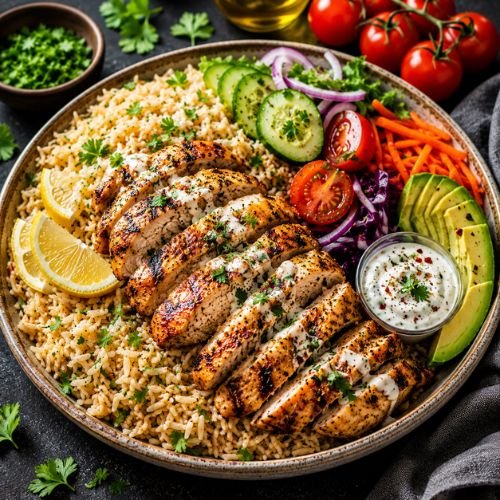
Serve lemon wedges, fresh parsley, sliced cucumber, or a simple tomato salad alongside the skillet.
Beverage Pairings
For a non-alcoholic option, sparkling water with lemon or unsweetened iced tea works particularly well.
The bright acidity of lemon-based drinks complements the garlic, herbs, and paprika without competing with the chicken.
Final Verdict & Reader Invitation
If you want easy healthy chicken recipes that deliver genuine flavor without requiring a complicated ingredient list, this One-Pan Garlic Herb Chicken & Vegetables deserves a place in your weekly rotation.
The combination of golden chicken, colorful vegetables, garlic, herbs, paprika, and fresh lemon creates a balanced meal that is practical enough for a weeknight but flavorful enough to serve to guests.
Why This Easy Healthy Chicken Recipe Deserves a Place on Your Dinner Table
The best part is the technique: once you understand how to dry, season, sear, control heat, and finish with acidity, you can use the same principles across countless chicken dinners.
Try the recipe, adjust the vegetables to suit your family, and make it your own.
If you cook it, rate the recipe with stars and share your experience in the DaliyDelish.com comments. Your questions, substitutions, and cooking tips can also help other home cooks make their next chicken dinner even better.
Recipes that combine lean chicken with vegetables and simple cooking methods are particularly practical. One-pan or one-skillet recipes reduce preparation and cleanup while allowing the chicken and vegetables to cook together.
Use evenly sized chicken pieces, avoid unnecessarily high heat, and check the internal temperature with an instant-read thermometer. Chicken should reach 165°F (74°C) for safety, but prolonged cooking beyond what is necessary can negatively affect texture.
Yes. Boneless, skinless chicken thighs work well and tend to remain juicy because they contain more fat. Cooking time can differ, so always verify the internal temperature with a food thermometer.
Yes. Cooked portions can be refrigerated in airtight containers for approximately 3–4 days. Reheat gently to reduce the chance of drying the chickenIf you would like to refresh the flavor of the dish, add fresh lemon juice and herbs after reheating.

Tosique Haider -Passionate writer sharing informative, engaging, and easy-to-read articles across different topics. Focused on delivering valuable content that helps readers learn, explore, and stay inspired every day.