Introduction
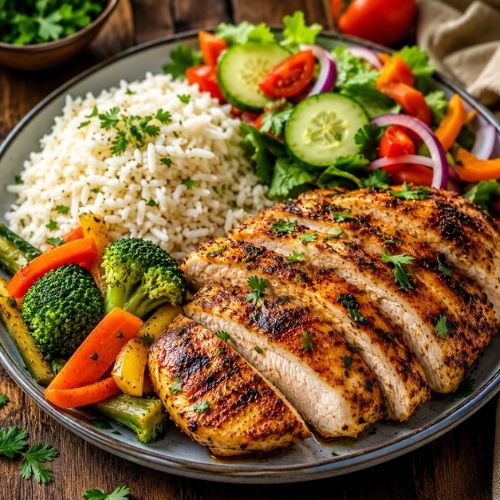
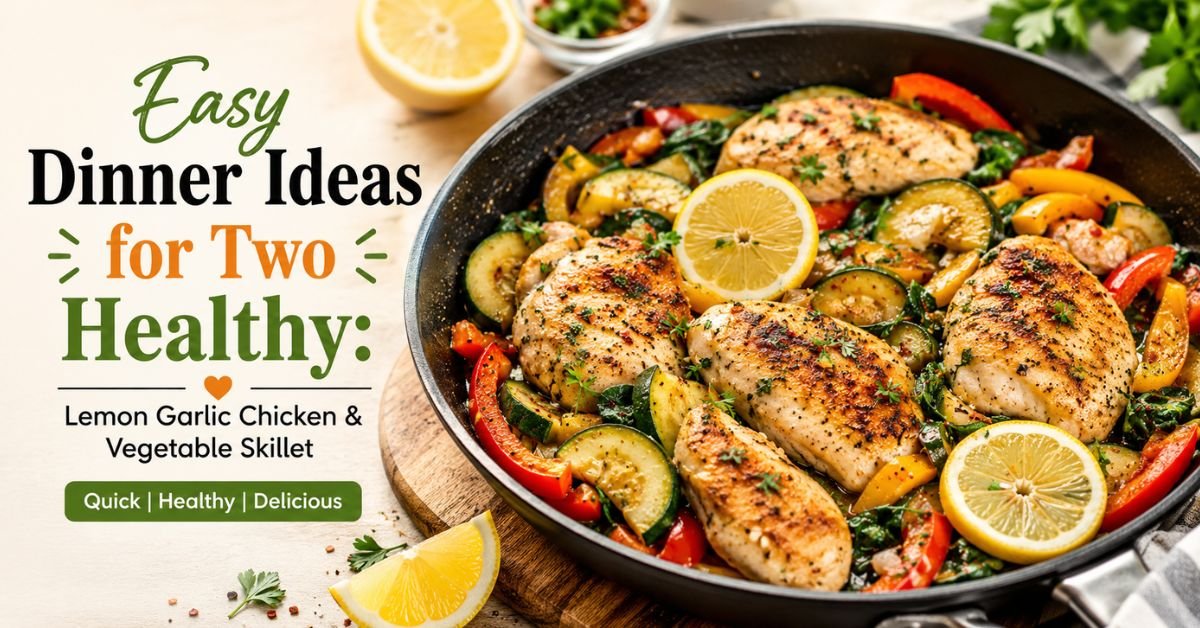
When you’re searching for easy dinner ideas for two healthy, you usually want more than a recipe that simply looks nutritious on paper. You want dinner to be flavorful, satisfying, quick enough for a busy evening, and made with ingredients you can actually find at a regular grocery store. This Lemon Garlic Chicken & Vegetable Skillet was developed with exactly that goal in mind.
In the DaliyDelish kitchen, this recipe was tested as a practical two-person dinner rather than as a scaled-down family recipe. That distinction matters. Cooking for two means managing smaller quantities without drying out the chicken, overcrowding the pan, or ending up with an excessive amount of leftover sauce and vegetables.
The finished skillet has a bright, savory flavor from fresh lemon juice and garlic, while a modest amount of olive oil provides richness without making the dish heavy. The chicken develops a lightly browned exterior with a tender, juicy center. Bell peppers and zucchini add color and a pleasant contrast between crisp-tender and soft textures, while baby spinach melts into the sauce near the end.
As the chicken hits a properly heated skillet, you’ll hear the characteristic gentle sizzle that signals browning is underway. Once the vegetables enter the pan, their natural sweetness begins developing. Finally, lemon juice, garlic, and a small amount of chicken broth loosen the browned bits from the skillet and create a light, glossy coating.
The result is a colorful one-pan meal that feels comforting but fresh.
Most importantly, this recipe was designed around the search intent behind easy dinner ideas for two healthy: minimal cleanup, straightforward preparation, balanced ingredients, flexible substitutions, and a cooking method that is achievable for a home cook.
Recipe Quick-Facts Summary Card
| Recipe Detail | Information |
| Recipe | Lemon Garlic Chicken & Vegetable Skillet |
| Prep Time | 15 minutes |
| Cook Time | 20 minutes |
| Total Time | 35 minutes |
| Skill Level | Easy to Intermediate |
| Servings | 2 |
| Estimated Calories | About 480 calories per serving |
| Estimated Cost | About $4–$6 per serving, depending on local prices |
| Primary Diet Type | High-Protein, Vegetable-Rich |
| Optional Diet Adaptations | Gluten-Free, Low-Carb, Dairy-Free |
| Main Cooking Method | Stovetop skillet |
| Recommended Chicken Temperature | 165°F / 74°C |
Nutrition and cost figures are estimates and can vary according to ingredient brands, portion sizes, and preparation methods.
Why This Recipe Works
- It is genuinely designed for two. Rather than preparing a large family recipe and dividing it afterward, the ingredient quantities are calculated for two generous portions. This helps minimize food waste while making portion control easier.
- Technique is as important as ingredients when it comes to flavor. Browning the chicken before building the sauce creates flavorful browned bits on the bottom of the pan. Deglazing those bits with broth and lemon brings that concentrated flavor back into the finished dish.
- The vegetables cook in stages. Zucchini, bell pepper, and spinach don’t require identical cooking times. Adding them strategically prevents the vegetables from becoming uniformly soft and gives the finished skillet more interesting texture.
- It saves time without sacrificing browning. Cutting the chicken into evenly sized pieces reduces cooking time. At the same time, cooking in a properly preheated skillet allows enough surface contact for a golden-brown exterior.
- It is adaptable. You can change the vegetables according to the season, use boneless chicken thighs instead of breast, reduce sodium, or make the dish lower in carbohydrates without rebuilding the entire recipe.
Kitchen Tools & Equipment Guide

You don’t need a professional kitchen to make this dinner, but the right tools make the process more predictable.
Essential Equipment
- Large 10–12-inch skillet: A wide skillet gives the chicken and vegetables enough surface area to brown instead of steam.
- Instant-read thermometer: The most reliable way to verify that chicken reaches 165°F / 74°C internally.
- Sharp chef’s knife: Consistent cuts help vegetables and chicken cook evenly.
- Cutting board: Ideally use separate boards, or thoroughly clean and sanitize the board after handling raw chicken.
- Measuring spoons: Helpful when balancing lemon juice, oil, garlic, and seasonings.
- Wooden or silicone spatula: Useful for scraping flavorful browned bits from the skillet without damaging the cooking surface.
A heavy-bottomed skillet generally retains heat more consistently than a very thin pan. That stability is especially useful when cold chicken and vegetables are added because the pan temperature naturally drops.
Ingredient Selection, Quality & Substitutions
Chicken
- 12 oz / 340 g boneless, skinless chicken breast, cut into bite-size pieces
- 1/2 tsp / 3 g kosher salt
- 1/4 tsp / 0.5 g black pepper
- 1/2 tsp / 1 g paprika
Chicken breast works particularly well because it cooks quickly and provides substantial protein. Choose pieces with a fresh appearance and trim away excess connective tissue or large pieces of fat.
Substitution: Boneless, skinless chicken thighs can replace the breast at a 1:1 weight ratio. Thigh meat is more forgiving because its higher fat content helps it remain moist.
Olive Oil
- Extra virgin olive oil, 1 tablespoon / 15 mL
Olive oil helps transfer heat to the chicken and vegetables while contributing mild fruity richness.
Lower-oil option: You can reduce the amount slightly, but avoid eliminating cooking fat entirely because it assists browning and carries fat-soluble flavor compounds.
Vegetables
- Approximately 200 grams of medium zucchini, halved lengthwise and sliced
- 1 medium red bell pepper / about 150 g, sliced
- 1 cup / 30 g baby spinach
- 1/2 small yellow onion / about 70 g, thinly sliced
The combination provides sweetness, freshness, color, and contrasting textures.
Substitutions:
Broccoli florets, mushrooms, green beans, asparagus, or yellow squash can replace some of the vegetables. Harder vegetables may require a few additional minutes of cooking.
Garlic
- 3 cloves / about 9 g fresh garlic, finely minced
Fresh garlic is preferred because its aroma is much more pronounced than many shelf-stable alternatives. Add it later in the cooking process to prevent scorching.
Lemon
- 1 medium lemon
- 1 tbsp / 15 mL fresh lemon juice
- 1 tsp / about 2 g finely grated zest
Fresh lemon gives the dish its defining brightness. The zest provides concentrated citrus aroma, while the juice supplies acidity.
Chicken Broth
- 1/3 cup / 80 mL low-sodium chicken broth
Broth helps deglaze the skillet and creates enough liquid for the garlic-lemon sauce.
Low-sodium option: Use reduced-sodium broth and adjust salt gradually after tasting.
Seasoning & Finishing
- Dried Italian seasoning, 1/2 tsp / 1 g
- 1/4 tsp / 0.5 g red pepper flakes, optional
- 1 tsp / 5 mL honey, optional for balancing sharp acidity
- Parsley, chopped, 1 tbsp / 4g
The honey is not intended to make the dish sweet. A very small amount can soften an especially sharp lemon flavor. Omit it if you prefer a completely unsweetened sauce.
Dietary Substitutions
Dairy-free: The base recipe contains no dairy.
Gluten-free: Use certified gluten-free chicken broth and verify packaged seasonings if gluten exposure is a concern.
Lower-carbohydrate: Skip the optional honey and serve the skillet without bread, rice, or pasta.
Lower-sodium: Use low-sodium broth, reduce added salt, and increase the use of lemon zest, garlic, parsley, and black pepper for flavor.
Culinary Masterclass: Step-by-Step Instructions
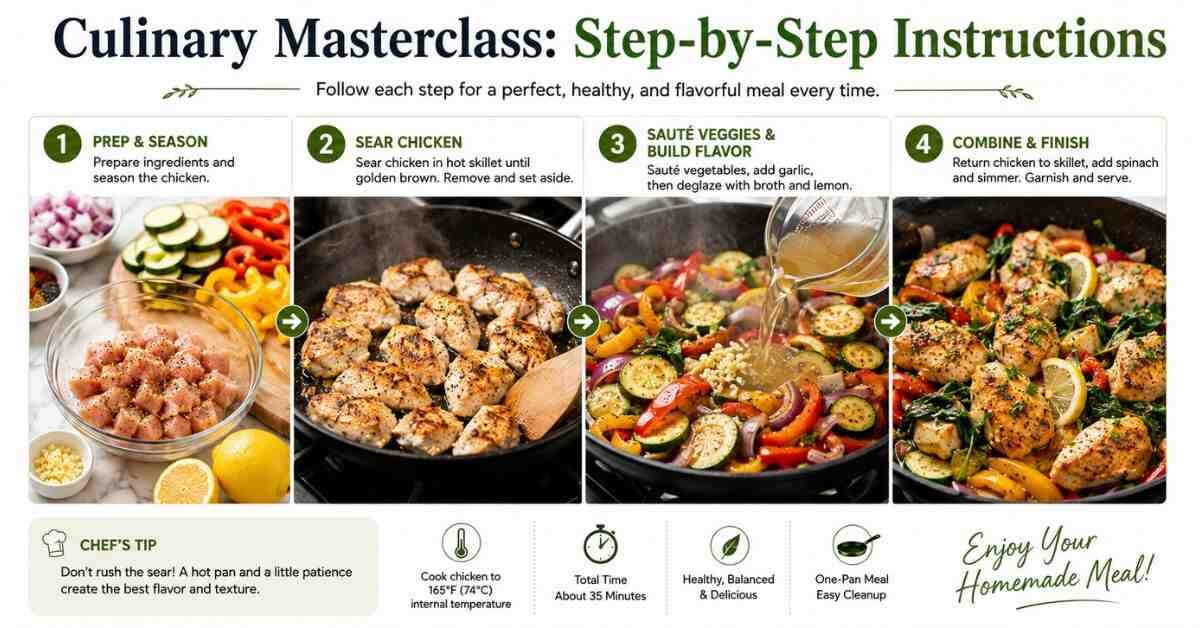
Step 1: Prep Work & Seasoning
Before turning on the stove, prepare everything.This is one of the simplest professional cooking habits you can adopt.
Cut the chicken into pieces approximately 1-inch / 2.5 cm across. Keeping the pieces similar in size is important because small pieces can overcook before larger pieces reach a safe internal temperature.
Pat the chicken dry with paper towels. The impact of this small step is significant. Excess surface moisture must evaporate before browning can develop, so wet chicken tends to release water into the skillet and steam rather than sear.
Place the chicken in a bowl and season with kosher salt, black pepper, paprika, and Italian seasoning.
Prepare the vegetables separately. Slice the onion and bell pepper, then slice the zucchini. Mince the garlic and keep it separate because it will enter the skillet later.
Zest the lemon before squeezing it. Once the lemon has been juiced, zesting becomes much more difficult.
At this stage, you should have your chicken, vegetables, garlic, broth, lemon juice, and garnishes within easy reach.
Step 2: Searing & Sautéing
Place a large skillet over medium-high heat for approximately 1–2 minutes.
Add the olive oil and allow it to heat until it becomes fluid and lightly shimmers. You don’t want the oil smoking heavily.
Carefully add the seasoned chicken in a single layer.
Listen for the sound: you should hear an active but controlled sizzle. If there is no sound at all, the pan may not be hot enough. If the oil is smoking aggressively, reduce the heat.
Allow the chicken to cook undisturbed for approximately 2–3 minutes before turning. Moving it constantly prevents good surface contact and can interfere with browning.
Turn the pieces and cook another 2–3 minutes.
The goal at this stage isn’t necessarily to cook the chicken completely through. You’re developing a browned exterior and creating flavorful fond on the bottom of the skillet.
Transfer the chicken to a clean plate once the exterior is nicely browned.
Do not place cooked chicken on the same unwashed plate that held raw chicken.
Add the sliced onion and bell pepper to the same skillet. If the pan looks completely dry, add a small splash of water or broth rather than immediately adding a large amount of oil.
Cook for approximately 2 minutes.
Adding the zucchini and continuing to cook for 3–4 more minutes will yield the best results. Stir occasionally, but don’t constantly toss the vegetables. Brief contact with the hot skillet helps them develop color.
You’re looking for vegetables that are beginning to soften while still retaining structure.
Step 3: Sauce Building & Simmering
Reduce the heat to medium.
Add the minced garlic and red pepper flakes, if using.
Cook for approximately 30–45 seconds, stirring continuously.
The garlic should become intensely fragrant but should not turn dark brown.Bitter flavors can come from burned garlic.
Pour in the chicken broth and immediately scrape the bottom of the skillet with a wooden or silicone spatula.
Those brown deposits are not burnt debris when properly developed; they contain concentrated flavor compounds created during browning. Dissolving them into the broth is a classic deglazing technique.
Add the fresh lemon juice and lemon zest.
Return the browned chicken and any accumulated juices from the plate to the skillet.
Bring the liquid to a gentle simmer.
Cook for approximately 4–6 minutes, stirring occasionally, until the chicken is cooked through and the sauce has reduced slightly.
Check the thickest piece of chicken with an instant-read thermometer. It should reach 165°F / 74°C.
Don’t rely solely on color. Chicken can appear white before reaching a safe temperature, while a browned exterior can make visual judgment particularly unreliable.
Add the baby spinach during the final 1–2 minutes.
Fold it gently into the sauce. The spinach will quickly wilt from the residual heat.
Taste the sauce.
If it tastes flat, a small pinch of salt may help. If it tastes too sharp, the optional teaspoon of honey can round out the acidity. The balance can be restored if the taste is too rich.
Step 4: Finishing, Resting, and Garnishing
Turn off the heat once the chicken reaches the safe internal temperature and the vegetables have reached your preferred tenderness.
Allow the skillet to stand for approximately 2–3 minutes.
This brief pause allows the meat’s temperature and juices to stabilize while the sauce settles.
Scatter fresh parsley over the top.
For an especially attractive presentation, spoon the chicken and vegetables into shallow bowls rather than piling everything into the center. This allows the glossy lemon-garlic sauce to remain visible.
Finish with a very small amount of freshly grated lemon zest.
The ideal bite should contain several elements at once: tender chicken, lightly caramelized vegetables, wilted spinach, and enough sauce to bring everything together.
The Science of Flavor & Chef’s Insider Techniques
Great skillet cooking is largely about controlling heat, moisture, browning, and acidity.
Understanding the Maillard Reaction
When the surface of the chicken becomes sufficiently hot and relatively dry, complex browning reactions can occur. These reactions contribute much of the roasted, savory aroma associated with properly seared food.
That is why patting the chicken dry matters.
If the chicken is covered with excess water, energy from the skillet is initially spent evaporating that moisture. The surface temperature remains limited until the water is gone, reducing the opportunity for strong browning.
Pan Temperature Control
A common misconception is that higher heat always means better searing.
It doesn’t.
You need enough heat to promote browning, but excessive heat can scorch garlic, burn spices, or overcook the outside of the chicken before the center is ready.
Start with medium-high heat for the chicken, then reduce to medium when building the sauce.
Why You Shouldn’t Overcrowd the Pan
If too many ingredients are packed into a small skillet, they release moisture faster than it can evaporate. The result is steaming rather than browning.
For two servings, a 10–12-inch skillet gives you enough surface area to avoid this problem.
Resting Chicken
Resting doesn’t magically create moisture, but it gives the cooked meat time to equilibrate and reduces the amount of juice immediately lost when it is cut or disturbed.
With bite-size chicken pieces, only a short rest is necessary.
Balancing Fat With Acidity
Olive oil contributes richness. Lemon juice contributes acidity.
Too much oil can make a dish feel heavy, while too much lemon can taste aggressively sour. The best sauces balance the two.
The lemon is therefore not merely a flavoring ingredient. It is part of the dish’s structural flavor balance.
My Chef’s Rule
Season gradually and taste near the end.
Broth, chicken seasoning, and reductions can all contribute sodium. Adding a large amount of salt at the beginning can make the final sauce difficult to correct.
8. Common Cooking Mistakes & Troubleshooting Guide
Mistake 1: The Chicken Is Pale Instead of Golden
Likely cause: The chicken was wet, the pan was too cool, or the skillet was overcrowded.
Fix: Pat the chicken dry before cooking. Preheat the skillet properly and work in a single layer. If necessary, cook in two batches.
Mistake 2: The Chicken Is Dry
Likely cause: Overcooking.
Chicken breast contains relatively little fat, so it can become dry if left over heat for too long.
Fix: Use an instant-read thermometer rather than relying exclusively on cooking time. Remove the chicken from direct heat once it reaches 165°F / 74°C.
For future batches, cut the pieces evenly so smaller pieces aren’t finished long before larger pieces.
Mistake 3: The Garlic Tastes Bitter
Likely cause: The garlic was cooked too long at high heat.
Fix: Garlic only needs a short cooking period before the broth is added. If it becomes dark brown or black, its bitterness can dominate the sauce. Start over with fresh garlic if the flavor has become unpleasantly bitter.
Mistake 4: The Sauce Tastes Too Sour
Likely cause: Too much lemon juice or insufficient richness.
Fix: Add a teaspoon of honey if desired, or slightly increase the amount of broth. A tiny pinch of salt can also change the perception of acidity. Don’t simply add large amounts of sugar.
Mistake 5: The Vegetables Are Mushy
Likely cause: They’re being cooked too long or covered excessively.
Fix: Add vegetables according to their cooking time. Start with onion and pepper, follow with zucchini, and add spinach at the end.
The objective is tender-crisp vegetables, not vegetables that collapse completely.
9. Food Safety, Storage, Meal Prep & Reheating
Food safety is especially important when preparing chicken.
Safe Chicken Temperature
The chicken should reach an internal temperature of 165°F / 74°C, measured with an instant-read thermometer at the thickest part.
Because bite-size pieces vary in size, check more than one piece when necessary.
Prevent Cross-Contamination
Keep raw chicken away from ready-to-eat ingredients.
Raw poultry should be handled with clean hands. Clean knives, cutting boards, countertops, and utensils that have contacted raw chicken before using them for cooked food or fresh garnishes.
Never return cooked chicken to a plate that previously held raw chicken unless the plate has been thoroughly washed.
Refrigeration
Transfer leftovers into shallow airtight containers and refrigerate promptly.
For best quality and food safety, cooked chicken leftovers should generally be consumed within 3–4 days when continuously refrigerated at 40°F / 4°C or below.
Freezing
The finished dish can be frozen, although the zucchini and spinach may soften after thawing.
For better texture, freeze the chicken and sauce separately from any fresh salad or crisp side dish.
Keep your containers airtight and labeled with the date so they can be frozen.
Reheating
To reheat leftovers on the stovetop, place them in a skillet over medium heat. Add 1–2 tablespoons / 15–30 mL of broth or water to loosen the sauce.
Cover loosely and heat until the food is thoroughly hot.
Avoid repeatedly reheating the entire batch. Reheat only the portion you plan to eat.
Microwave reheating also works. Use short intervals and stir between them to distribute heat evenly.
Nutrition & Dietary Considerations
The estimated nutrition below is based on the ingredients and quantities listed in this recipe and should be treated as an approximation rather than laboratory analysis.
Estimated Nutrition Per Serving
| Nutrient | Approximate Amount |
| Calories | 480 kcal |
| Protein | 48 g |
| Carbohydrates | 20 g |
| Fat | 23 g |
| Fiber | 5 g |
| Sodium | 650–800 mg |
Actual values can change considerably depending on the chicken cut, broth brand, amount of oil used, and exact vegetable quantities.
The recipe provides a substantial protein component from chicken alongside vegetables that contribute fiber and micronutrients. It does not need to be labeled as a complete nutritional solution for every person; individual energy and nutrient requirements vary according to age, activity level, health status, and other factors.
For a lower-carbohydrate dinner, serve the skillet on its own or alongside a non-starchy vegetable.
For a more energy-dense meal, add a modest portion of brown rice, quinoa, potatoes, or whole-grain bread.
Choose a reduction-sodium broth and sprinkle fresh parsley, herbs, garlic, lemon zest, and black pepper to enhance flavor without adding excessive salt.
11. Pairings & Serving Suggestions
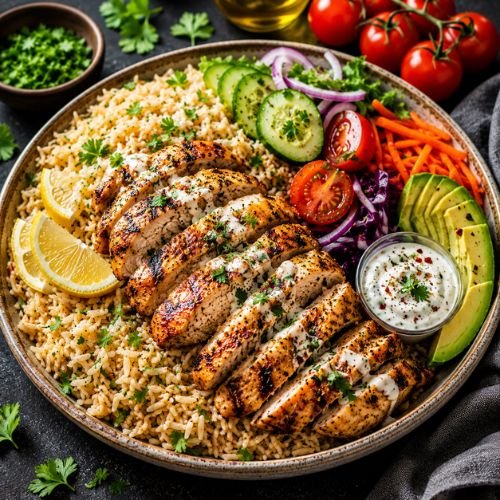
This skillet is designed to stand alone as a complete two-person dinner, but the right side dish can turn it into a more substantial meal.
Fresh Salad
A simple cucumber and tomato salad with lemon juice and herbs provides a cool, crisp contrast to the warm chicken.
Try:
- Cucumber
- Cherry tomatoes
- Fresh parsley
- Thinly sliced red onion
- Lemon juice
- A small drizzle of olive oil
Whole-Grain Bread
A slice of crusty whole-grain bread is excellent for catching the remaining lemon-garlic sauce.
Brown Rice or Quinoa
If you need a heartier dinner, serve the chicken over a small portion of cooked brown rice or quinoa.
The grains also absorb the sauce and make the meal feel more substantial.
Roasted Potatoes
For a comforting variation, pair the skillet with small roasted potatoes seasoned with black pepper, garlic, and parsley.
Simple Green Vegetable
Steamed broccoli, asparagus, or green beans can add another vegetable component without requiring a complicated preparation.
Beverage Pairings
For a non-alcoholic option, sparkling water with lemon is an excellent match because its clean, refreshing profile complements the citrus-forward sauce.
Unsweetened iced tea is another simple pairing.
Presentation Tip
For the best visual appeal, place the chicken and vegetables in shallow bowls, spoon the sauce around the chicken, and finish with fresh parsley and a little lemon zest.
The contrast of golden chicken, colorful peppers, green spinach, and bright lemon zest makes the meal look restaurant-worthy without complicated plating.
Final Verdict & Reader Invitation
If you’ve been searching for easy dinner ideas for two healthy, this Lemon Garlic Chicken & Vegetable Skillet deserves a place in your weeknight rotation. It combines tender, well-browned chicken, colorful vegetables, fresh lemon, aromatic garlic, and a light pan sauce in one practical meal.
The recipe is flexible enough for different dietary preferences while remaining simple enough for an ordinary weeknight.
Why This Healthy Dinner for Two Deserves a Place in Your Weekly Meal Plan
Give it a try in your own kitchen, then rate the recipe with stars and share your results in the DaliyDelish.com comments. Did you add mushrooms, broccoli, extra lemon, or a favorite side? Tell us what worked for you and what you’d change next time.
This Lemon Garlic Chicken & Vegetable Skillet is a practical option because it takes approximately 35 minutes from preparation to serving and uses one main skillet. The recipe combines chicken with several vegetables and a light lemon-garlic sauce, making it easy to prepare without requiring multiple complicated cooking methods.
Yes. Boneless, skinless chicken thighs can replace chicken breast at approximately the same weight. Because thighs contain more fat, they tend to remain moist and are somewhat more forgiving if slightly overcooked. Still, poultry should reach 165°F / 74°C internally for safety.
Skip the optional honey and serve the skillet without rice, pasta, potatoes, or bread. You can also increase the amount of low-carbohydrate vegetables such as zucchini, spinach, mushrooms, or bell peppers while keeping the chicken quantity consistent.
Yes. You can chop the vegetables, mince the garlic, portion the chicken, and measure the seasonings earlier in the day. Keep raw chicken refrigerated and separate from ready-to-eat foods. For the best texture, cook the skillet close to serving time, although properly refrigerated leftovers can be reheated later.

Tosique Haider -Passionate writer sharing informative, engaging, and easy-to-read articles across different topics. Focused on delivering valuable content that helps readers learn, explore, and stay inspired every day.