

Introduction
After a long, busy day, deciding what to cook for dinner can feel like another task on an already crowded schedule. You want something delicious, satisfying, affordable, and easy to prepare without spending an hour in the kitchen. That is exactly where these quick dinner ideas for tonight become useful.
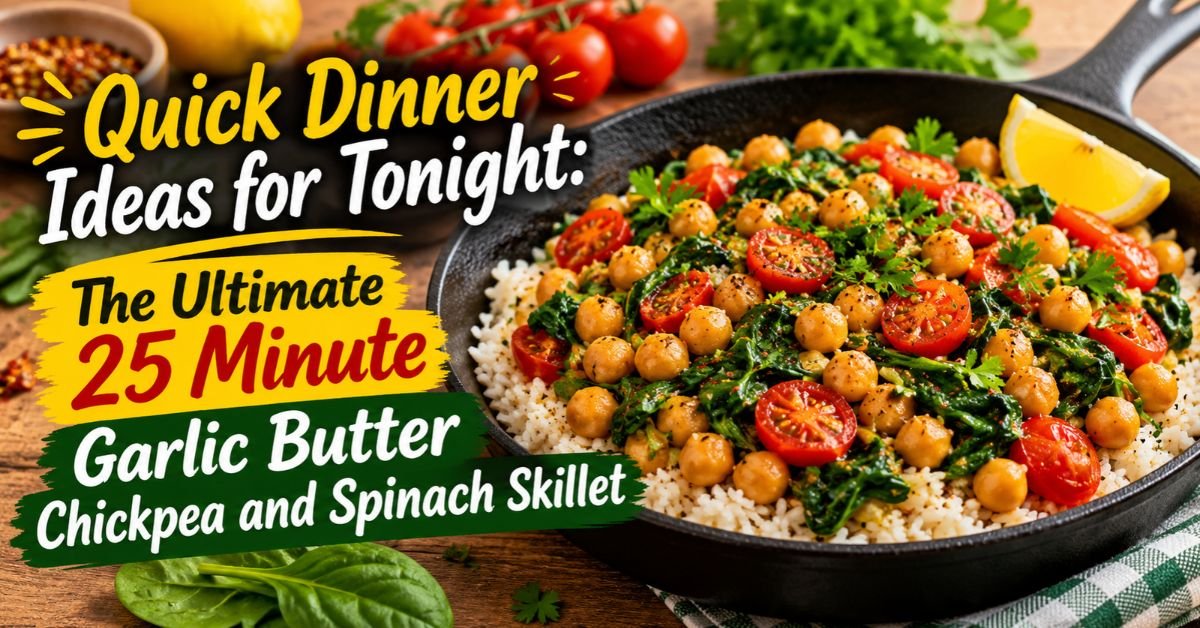
One of the best solutions is this 25 Minute Garlic Butter Chickpea and Spinach Skillet. It combines tender chickpeas, fresh spinach, juicy tomatoes, aromatic garlic, fluffy rice, and a rich lemon garlic butter sauce in one convenient pan.
The first thing you’ll notice is the inviting aroma. As the garlic gently sizzles in melted butter and olive oil, it releases a warm, savory fragrance that fills the kitchen. Next, the tomatoes soften and release their natural juices, creating a light, flavorful sauce. Meanwhile, the chickpeas develop slightly golden edges while maintaining their creamy centers.
Fresh spinach adds beautiful green color and soft texture, while a squeeze of lemon brings brightness to every bite. Finally, serving the mixture over warm rice creates a comforting meal with a satisfying combination of creamy, tender, juicy, and fluffy textures.
Introduction: Simple, Flavorful Meals Made Easy for Tonight
At DaliyDelish, the goal behind this recipe is simple: provide home cooks with a practical dinner solution that doesn’t require complicated techniques, expensive ingredients, or specialized equipment.
The method focuses on accessible pantry staples, straightforward preparation, and carefully timed cooking steps. It also offers flexibility. You can replace the rice with quinoa, use dairy free butter, add extra vegetables, or include cooked chicken if you prefer a higher protein variation.
Whether you’re cooking for yourself, preparing a family meal, or looking for an easy vegetarian dinner, this skillet is a dependable starting point.
The best part? You can bring everything together in approximately 25 minutes, making it a practical choice when you need dinner on the table tonight.
Recipe Quick Facts Summary Card
| Recipe Detail | Information |
| Recipe Name | Garlic Butter Chickpea and Spinach Skillet |
| Prep Time | 8 minutes |
| Cook Time | 17 minutes |
| Total Time | 25 minutes |
| Skill Level | Beginner |
| Servings | 4 |
| Calories | Approximately 390 per serving |
| Estimated Cost | 2.25–3.00 per serving |
| Primary Diet Type | Vegetarian |
| Cooking Method | One pan skillet |
| Cuisine Inspiration | Mediterranean inspired |
| Main Ingredients | Chickpeas, spinach, tomatoes, garlic, rice |
| Best For | Quick weeknight dinners |
Why you’ll love this recipe:
- Ready in approximately 25 minutes.
- Uses affordable and widely available ingredients.
- Requires minimal kitchen equipment.
- Naturally vegetarian.
- Easy to customize for different dietary preferences.
- Provides plant based protein and dietary fiber.
Timing note: The 25 minute estimate assumes cooked rice is available. Cooking uncooked rice separately will increase the total preparation time.
Why This Recipe Works (EEAT Value Points)
A successful quick dinner should offer more than convenience. It should also deliver balanced flavors, satisfying textures, dependable cooking results, and ingredients that make sense for everyday budgets.
Here are five reasons this recipe deserves a place in your regular dinner rotation.
1. Balanced Flavors in Every Bite
The combination of garlic, butter, olive oil, tomatoes, and lemon creates a flavorful foundation.
Garlic contributes savory depth, while butter provides richness. Tomatoes introduce natural sweetness and acidity, and lemon juice brightens the finished dish.
As a result, the recipe tastes satisfying without requiring an elaborate collection of sauces or seasonings.
2. Simple Techniques Produce Reliable Results
You don’t need advanced culinary training to prepare this skillet.
The cooking process follows a logical sequence: soften the aromatics, warm the chickpeas, build the sauce, and fold in the spinach.
Each ingredient receives enough attention to develop its flavor without unnecessary cooking time.
3. Affordable Pantry Ingredients
Chickpeas, rice, canned tomatoes, garlic, and basic seasonings are relatively economical ingredients.
Furthermore, canned chickpeas eliminate the need for overnight soaking and lengthy boiling.
Using frozen spinach instead of fresh spinach can also help reduce food waste and make grocery shopping easier.
4. One Pan Cooking Saves Time
The skillet method reduces the number of dishes that need washing.
Instead of preparing several complicated components, you build the flavor directly in one pan and serve the finished mixture over previously cooked rice.
Consequently, cleanup becomes easier, which is especially helpful on busy evenings.
5. Flexible Ingredients Make Customization Easy
This recipe works with several dietary preferences.
You can choose dairy free butter, brown rice, quinoa, additional vegetables, or cooked chicken.
Moreover, the seasoning can be adjusted to suit children, spice lovers, and people who prefer milder flavors.
Kitchen Tools & Equipment Guide
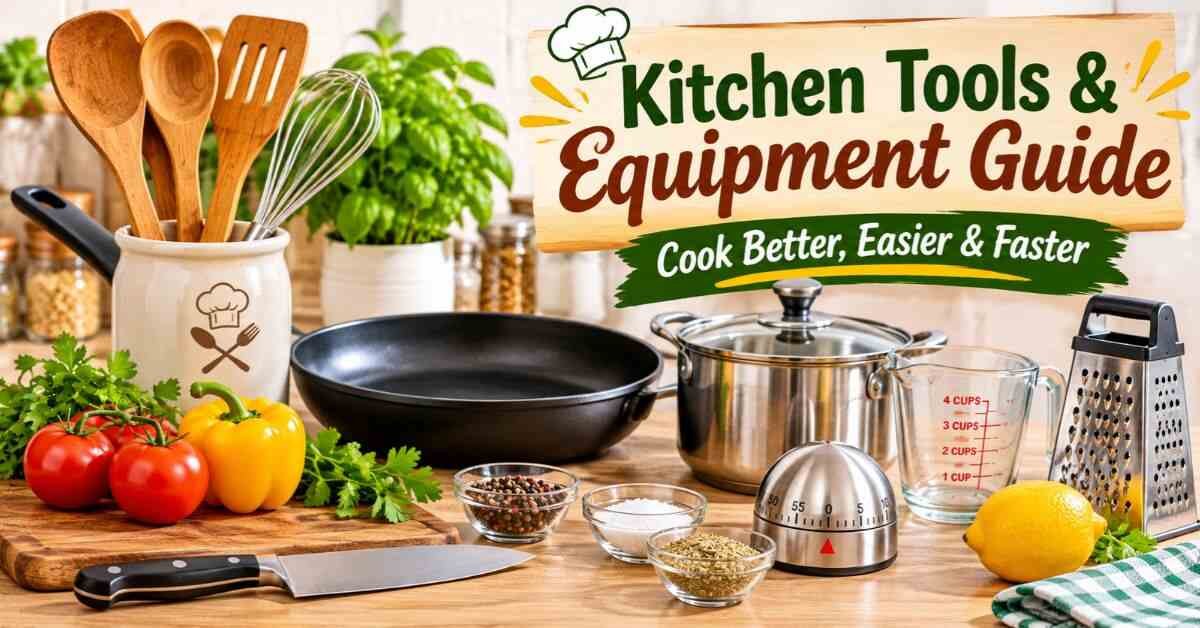
You don’t need professional restaurant equipment to prepare a delicious skillet dinner. However, choosing suitable cookware helps ingredients cook evenly and prevents unnecessary problems.
Essential equipment:
- Large skillet: A 10–12 inch skillet provides enough room for chickpeas, tomatoes, and spinach without overcrowding.
- Sharp chef’s knife: Useful for chopping garlic, tomatoes, and fresh herbs evenly.
- Cutting board: Keeps preparation organized and protects your kitchen surfaces.
- Wooden spoon or silicone spatula: Helps stir ingredients without damaging nonstick cookware.
- Measuring cups and spoons: Provide consistent ingredient quantities.
- Citrus juicer: Makes extracting fresh lemon juice easier.
- Instant read thermometer: Useful if you choose to add chicken or other meat.
A stainless steel or cast iron skillet works particularly well because it retains heat effectively. However, a good nonstick skillet is also suitable.
The most important consideration is choosing a pan large enough to distribute the ingredients evenly.
Avoid overcrowding because excess moisture can prevent chickpeas from developing lightly golden edges.
Ingredient Selection, Quality & Substitutions
The secret to a flavorful quick dinner isn’t necessarily using expensive ingredients. Instead, choose ingredients that complement one another and prepare them correctly.
Below is the complete ingredient list for four servings.
Complete Ingredient List
| Ingredient | US Customary Measurement | Metric Measurement |
| Cooked chickpeas, drained | 2 cans (15 oz each) | Approximately 850 g drained |
| Cooked rice | 3 cups | Approximately 480 g |
| Fresh spinach | 3 packed cups | 90 g |
| Cherry tomatoes, halved | 1½ cups | 225 g |
| Garlic, minced | 4 cloves | 12–15 g |
| Unsalted butter | 2 tablespoons | 28 g |
| Olive oil | 1 tablespoon | 15 ml |
| Vegetable broth | ½ cup | 120 ml |
| Fresh lemon juice | 1 tablespoon | 15 ml |
| Smoked paprika | 1 teaspoon | 2 g |
| Dried oregano | ½ teaspoon | 1 g |
| Ground black pepper | ¼ teaspoon | 0.5 g |
| Salt | ½ teaspoon, or to taste | Approximately 3 g |
| Fresh parsley, chopped | 2 tablespoons | 8 g |
| Red pepper flakes | ¼ teaspoon, optional | Approximately 0.5 g |
Understanding the Main Ingredients
Chickpeas: The Satisfying Protein Base
Chickpeas are the foundation of this recipe.
They offer plant based protein, dietary fiber, and carbohydrates. Their naturally creamy interior contrasts beautifully with the slightly crisp edges that develop during skillet cooking.
For convenience, canned chickpeas are an excellent choice.
Before cooking, drain them thoroughly and rinse under cool running water. This removes excess canning liquid and allows the seasonings to coat them more evenly.
If you prefer dried chickpeas, cook them separately until tender before using them in the skillet.
Rice: A Comforting Foundation
Rice turns the chickpea mixture into a complete, filling dinner.
Long grain white rice produces fluffy individual grains, while brown rice offers a nuttier flavor and a firmer texture.
For a genuinely quick meal, use rice prepared in advance or a suitable ready to heat rice product.
Quinoa is another useful alternative.
Fresh Spinach: Color and Freshness
An attractive green color and mild earthy flavor are two of the features of spinach.
Fresh baby spinach is particularly convenient because it requires minimal preparation.
Make sure the spinach is thawed and squeezed dry before using. Otherwise, additional moisture may dilute the sauce.
Tomatoes: Natural Sweetness and Acidity
Cherry tomatoes soften quickly and release their juices into the skillet.
Choose tomatoes that feel firm and have smooth skins.
If cherry tomatoes aren’t available, chopped Roma tomatoes or drained canned diced tomatoes work well.
Garlic, Butter, and Olive Oil: The Flavor Foundation
Garlic provides aromatic depth, while butter creates a rich mouthfeel.
Olive oil helps distribute heat and makes the butter less likely to brown too quickly.
Use fresh garlic whenever possible. However, approximately 1 teaspoon of garlic powder can be substituted if fresh garlic isn’t available.
Lemon Juice and Herbs: The Finishing Touch
Fresh lemon juice balances the richness of butter and makes the chickpeas taste brighter.
Parsley adds freshness, while oregano provides a subtle herbal note.
For the best flavor, add lemon juice near the end of cooking rather than boiling it for an extended period.
Ingredient Substitutions
Dairy free option: Replace regular butter with an unsweetened plant based butter alternative or use additional olive oil.
Gluten free option: The main ingredients are naturally gluten free when individually sourced. Check packaged broth and seasonings for gluten containing additives or cross contact warnings.
Lower sodium option: Choose no salt added chickpeas and low sodium vegetable broth. Reduce added salt and adjust seasoning after tasting.
Keto friendly adaptation: Replace the rice with cauliflower rice and use a smaller portion of chickpeas or substitute them with a lower carbohydrate ingredient such as sautéed mushrooms. Chickpeas contain carbohydrates, so the original recipe should not be described as keto friendly.
Higher protein option: Add cooked chicken breast, grilled tofu, or another protein source that suits your preferences.
Extra vegetable option: Add sliced zucchini, bell peppers, mushrooms, or broccoli florets. Cook firmer vegetables before adding spinach.
Culinary Masterclass: Step by Step Instructions
Preparing a flavorful skillet dinner is all about controlling heat and adding ingredients in the correct order.
Follow these steps carefully to achieve tender chickpeas, beautifully softened tomatoes, fragrant garlic, and perfectly wilted spinach.
Step 1: Prep Work & Seasoning
Begin by organizing all your ingredients before turning on the stove.
- In a colander, drain the chickpeas from the can.
- Rinse thoroughly under cool running water.
- Allow excess water to drain, then gently pat the chickpeas dry using a clean kitchen towel.
- Halve the cherry tomatoes.
- Finely mince the garlic cloves.
- Wash the fresh spinach and remove any damaged leaves.
- Chop the parsley and prepare the lemon juice.
- Take the smoked paprika, oregano, salt, and black pepper and measure them.
Chef’s preparation tip: Dry chickpeas develop better surface browning than wet chickpeas. Therefore, don’t skip the drying step if you want a slightly roasted texture.
If your rice is refrigerated, prepare it for reheating. Fork any clumps that are too large to be broken up.
Keep raw ingredients and cooked foods separate, and wash your hands and preparation surfaces between handling different ingredients.
Step 2: Searing & Sautéing
Place a large skillet over medium heat.
Add the olive oil and butter. Allow the butter to melt gently, but don’t let it turn dark brown or burn.
Once the butter begins foaming lightly, add the minced garlic.
Stir continuously for approximately 30–45 seconds. The garlic should release a pleasant aroma without becoming dark.
Next, add the drained chickpeas.
Sprinkle in the smoked paprika, dried oregano, black pepper, and salt.
Stir gently to distribute the seasoning.
Allow the chickpeas to cook for approximately 3–4 minutes, stirring occasionally.
Look for slightly golden spots on some chickpeas. You should hear a gentle sizzling sound rather than aggressive popping.
Now add the cherry tomatoes.
Cook for another 2–3 minutes, stirring occasionally, until the tomatoes soften and begin releasing their juices.
Sensory checkpoint: At this stage, the skillet should smell rich and savory, with a noticeable combination of garlic, herbs, and sweet tomatoes.
If the pan becomes too dry, add a small splash of vegetable broth.
Step 3: Sauce Building & Simmering
Pour approximately ½ cup of vegetable broth into the skillet.
Use a wooden spoon to gently scrape the bottom of the pan. This helps release the flavorful browned bits left behind during sautéing.
Bring the mixture to a gentle simmer.
Allow it to cook for approximately 3 minutes.
The liquid should reduce slightly and develop a light, glossy consistency.
Next, add the fresh spinach in two batches.
Stir the first batch until it begins wilting, then incorporate the remaining leaves.
Fresh spinach reduces considerably in volume as it cooks, so don’t be concerned if the skillet initially looks crowded.
Continue cooking for approximately 1–2 minutes.
Avoid overcooking because spinach should remain vibrant green rather than turning dull and excessively soft.
Taste the sauce.
If it needs more brightness, add a little extra lemon juice. If it tastes too sharp, a small amount of butter can soften the flavor.
Important: The sauce should lightly coat the chickpeas and vegetables. It should not resemble a watery soup.
Step 4: Finishing, Resting, and Garnishing
Reduce the heat to low.
Add the fresh lemon juice and chopped parsley.
Stir gently to distribute the finishing ingredients.
Taste again and adjust the salt, pepper, or lemon juice if necessary.
Meanwhile, reheat your prepared rice until steaming hot throughout. If using refrigerated rice, follow safe reheating instructions and avoid leaving it at room temperature.
Divide the warm rice between four serving bowls.
Spoon the garlic butter chickpea and spinach mixture over the rice.
Finish with additional parsley, a light sprinkle of black pepper, and optional red pepper flakes.
For a more attractive presentation, add a small lemon wedge to each serving.
Final texture check:
- Chickpeas should be tender and creamy inside.
- Tomatoes should be soft but still recognizable.
- Spinach should be wilted without becoming mushy.
- The sauce should be glossy and lightly coat the ingredients.
- Rice should be hot and fluffy rather than sticky or watery.
Serve immediately while the butter sauce is warm and aromatic.
The Science of Flavor & Chef’s Insider Techniques
Understanding a few basic culinary principles can make a noticeable difference in the quality of everyday meals.
Even a simple chickpea skillet benefits from proper temperature control, moisture management, and balanced seasoning.
Understanding the Maillard Reaction
The Maillard reaction is a chemical process that occurs when proteins and reducing sugars react under suitable heating conditions.
It contributes to the browned surfaces and complex flavors associated with roasted and seared foods.
Chickpeas can develop appealing golden patches when their surfaces are relatively dry and they receive sufficient contact with a hot skillet.
However, chickpeas don’t brown exactly like meat. Their surface moisture, composition, and temperature all influence the result.
Overcrowding the pan will result in poor browning.
Why Pan Temperature Matters
A pan that’s too cool can cause ingredients to release moisture without developing much browning.
On the other hand, excessive heat can burn garlic and create bitter flavors.
Medium heat provides a practical balance for this recipe.
If garlic starts darkening too quickly, immediately reduce the heat and add a small amount of broth to cool the pan.
Balancing Fat With Acidity
Butter and olive oil create richness, but too much richness can make a meal feel heavy.
Lemon juice introduces acidity, which provides contrast and makes the other flavors seem more pronounced.
Lemons are added near the end of cooking for this reason.
Start with the recommended tablespoon, taste, and add more gradually if needed.
Managing Moisture
Vegetables contain considerable water.
Tomatoes release liquid as their structure softens, while spinach releases moisture as it wilts.
If you add too much broth at the beginning, the finished sauce may become watery.
Instead, add the measured broth and simmer gently until the liquid lightly coats the chickpeas.
The Importance of Resting
Unlike a large roast or steak, this vegetarian skillet doesn’t require an extended resting period.
Nevertheless, allowing it to stand for approximately 2 minutes after cooking helps the sauce settle and makes serving easier.
If you add chicken, cook it separately or ensure it reaches the appropriate safe internal temperature before serving.
Common Cooking Mistakes & Troubleshooting Guide
Even easy recipes can produce disappointing results when small cooking details are overlooked.
The majority of problems can be solved easily.
Mistake 1: Using Wet Chickpeas
The problem: Chickpeas that haven’t been drained properly may steam instead of developing golden edges.
The solution: Drain, rinse, and pat them dry before adding them to the skillet.
If the chickpeas are already in the pan and releasing too much water, increase the heat slightly and allow some moisture to evaporate while stirring gently.
Mistake 2: Burning the Garlic
The problem: Garlic cooks quickly, especially in a hot skillet. Burnt garlic tastes bitter and can overpower the entire dish.
The solution: Add garlic after the butter has melted and cook over medium heat for approximately 30–45 seconds.
If it becomes dark brown or develops a bitter smell, replace it rather than attempting to hide the flavor with extra seasoning.
Mistake 3: Overcooking the Spinach
The problem: Excessive cooking causes spinach to lose its vibrant color and become overly soft.
Adding spinach near the end of cooking is the solution.
Stir only until the leaves wilt. This generally takes 1–2 minutes for fresh baby spinach.
Mistake 4: Making the Sauce Too Watery
The problem: Excess broth, wet spinach, or juicy tomatoes can dilute the sauce.
The solution: Simmer uncovered for another 1–3 minutes to evaporate excess liquid.
If the sauce becomes too thick, add vegetable broth one tablespoon at a time.
Extra troubleshooting tip: If the final dish tastes flat, don’t immediately add more salt. First, try a little lemon juice or freshly ground black pepper. Sometimes the missing element is acidity rather than additional seasoning.
Food Safety, Storage, Meal Prep & Reheating
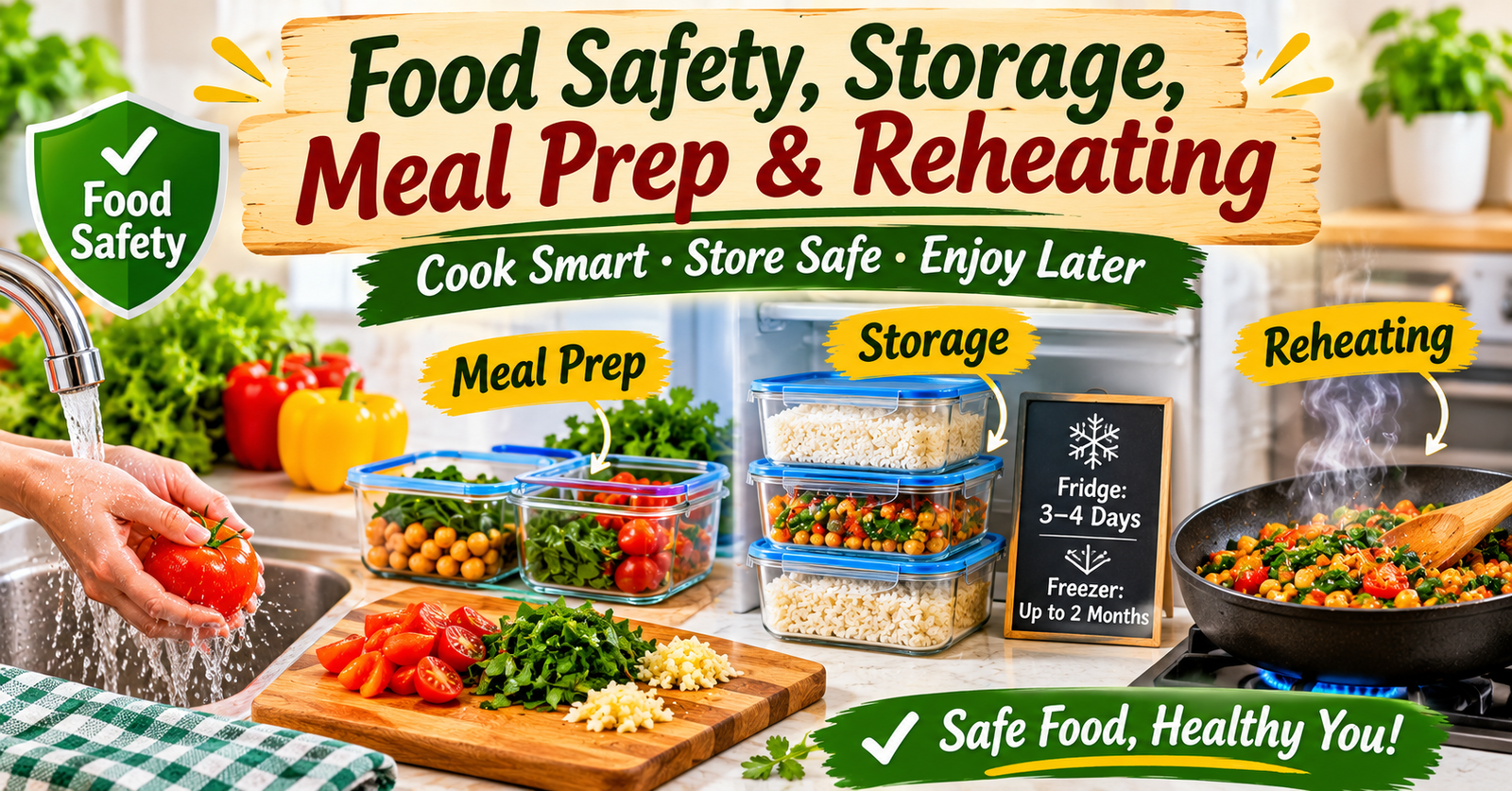
A convenient dinner should also be prepared, stored, and reheated safely.
Because this recipe contains cooked rice and vegetables, proper food handling is particularly important.
Food Safety Guidelines
- Wash your hands before handling ingredients.
- Under running water, rinse fresh produce.
- Use clean cutting boards and utensils.
- Keep raw meat separate from ready to eat ingredients if preparing a chicken variation.
- Refrigerate cooked food promptly rather than leaving it at room temperature for extended periods.
- Reheat leftovers until they reach an internal temperature of 165°F (74°C).
For a chicken variation, poultry must reach an internal temperature of 165°F (74°C) in its thickest portion, measured using a food thermometer.
Don’t rely on surface color alone to determine whether chicken is fully cooked.
Refrigerator Storage
Transfer leftovers into shallow, airtight containers.
Refrigerate within 2 hours of cooking, or within 1 hour if the surrounding temperature exceeds 90°F (32°C).
For the best quality, use refrigerated leftovers within 3–4 days.
Keep the rice and chickpea mixture in separate containers if you want to maintain better texture.
Freezer Storage
The chickpea and vegetable mixture can be frozen for approximately 2 months for good quality.
However, spinach and tomatoes may become softer after thawing.
Rice can also be frozen separately in suitable airtight portions.
Label containers with preparation dates to make meal planning easier.
Proper Reheating Techniques
Stovetop method:
- Place the chickpea mixture in a skillet.
- Add 1–2 tablespoons of water or vegetable broth.
- Heat over medium low heat.
- Stir occasionally until steaming hot throughout.
- Check that leftovers reach 165°F (74°C).
Microwave method:
- Transfer a portion into a microwave safe container.
- Add a small splash of water.
- Cover loosely with a microwave safe lid.
- Heat, stirring halfway through.
- Check several areas with a food thermometer to confirm even reheating.
Meal Prep Tips
For easier weeknight cooking, prepare several ingredients in advance.
- Cook rice and refrigerate it promptly.
- Drain and rinse canned chickpeas.
- Chop parsley and store it separately.
- Measure the dried seasonings into a small container.
- Wash and dry fresh spinach.
For best results, cook the garlic and vegetables shortly before serving rather than preparing the entire dish several days ahead.
Important rice safety note: Cooked rice can support the growth of Bacillus cereus if it is stored improperly. Cool and refrigerate it promptly, keep it cold, and reheat it thoroughly. Reheating does not reliably make rice safe if it has already been left at unsafe temperatures for too long.
Nutrition & Dietary Considerations
This chickpea and spinach skillet provides a combination of plant based protein, carbohydrates, dietary fiber, and fats.
The chickpeas contribute protein and fiber, while spinach provides folate, vitamin K, and other micronutrients. Tomatoes contribute vitamin C and naturally occurring plant compounds.
Rice provides carbohydrates that supply energy.
Estimated Nutrition Per Serving
The following estimates are based on four servings using the ingredients and quantities listed above.
| Nutritional Component | Approximate Amount |
| Calories | 390 kcal |
| Protein | 14 g |
| Total Carbohydrates | 58 g |
| Total Fat | 11 g |
| Dietary Fiber | 10 g |
| Sodium | 550–750 mg |
These values are estimates, not laboratory tested nutritional measurements. Actual amounts depend on ingredient brands, chickpea draining, rice portions, broth sodium, and seasoning quantities.
How This Recipe Fits Different Eating Preferences
Vegetarian eating: The recipe contains no meat or fish and uses vegetable broth.
Plant forward eating: Chickpeas, spinach, tomatoes, and herbs provide a variety of plant foods.
Gluten free eating: The basic ingredients are naturally gluten free, provided packaged products are verified.
Lower sodium eating: No salt added chickpeas, reduced sodium broth, and less added salt can help lower sodium intake.
Higher protein eating: Serve with grilled tofu or cooked chicken to increase protein.
Balanced meal planning: Pairing legumes, vegetables, and grains provides a mixture of nutrients and makes this dish a useful everyday meal.
Individual nutritional requirements vary, so portion sizes and ingredients should be adjusted according to personal dietary needs.
Pairings & Serving Suggestions
Although the garlic butter chickpea skillet is satisfying on its own, thoughtful side dishes can make dinner feel more complete.
The best pairings provide contrasting textures, freshness, and complementary flavors.
Fresh Salad Pairings
Cucumber and tomato salad: Combine chopped cucumbers, tomatoes, red onion, lemon juice, and parsley. Its refreshing crunch balances the warm skillet.
Simple green salad: Toss lettuce, cucumber, and shredded carrots with a light olive oil and lemon dressing.
Mediterranean salad: Combine cucumber, tomatoes, olives, and a little feta cheese for a savory side.
Bread Pairings
Warm pita bread is an excellent choice for scooping up the remaining sauce.
You can also serve the dish with whole wheat flatbread or toasted sourdough.
For a gluten free option, choose a suitable gluten free bread.
Additional Vegetable Sides
- Roasted broccoli with black pepper.
- Steamed green beans with lemon.
- Sautéed zucchini with herbs.
- Roasted carrots with olive oil.
- Grilled bell peppers.
Beverage Pairings
For a refreshing nonalcoholic option, serve chilled lemon water, sparkling water, or unsweetened iced tea.
A cucumber and mint drink also complements the Mediterranean inspired flavors.
Presentation Tips
Use shallow bowls rather than flat plates.
Place the rice at the bottom, spoon the chickpea mixture over it, and finish with fresh parsley.
A lemon wedge adds a bright visual contrast, while a small drizzle of olive oil gives the finished dish an appealing shine.
Final Verdict & Reader Invitation
Finding delicious quick dinner ideas for tonight doesn’t have to mean choosing complicated recipes or relying on expensive ingredients.
This garlic butter chickpea and spinach skillet brings together affordable pantry staples, fresh vegetables, aromatic seasonings, and satisfying textures in approximately 25 minutes.
It’s flexible enough for different dietary preferences and simple enough for beginner home cooks.
Try this recipe for your next busy weeknight dinner, and make it your own with your favorite vegetables and seasonings.
A Quick, Delicious Dinner Worth Sharing with Everyone
If you prepare it, please leave a 5 star rating if you enjoyed it, share your cooking experience, and post your questions or suggestions in the DaliyDelish.com comments.
At DaliyDelish, every delicious meal starts with simple ingredients and a little kitchen creativity!
One excellent option is a garlic butter chickpea and spinach skillet. It takes approximately 25 minutes when served with previously cooked rice.
Other practical options include vegetable fried rice, quick bean tacos, tuna pasta, vegetable omelets, and simple chicken stir fries.
Choose ingredients that cook quickly and use prepared pantry staples to reduce preparation time.
Yes. Replace the butter with additional olive oil or a suitable dairy free butter alternative.
The flavor will be slightly different, but garlic, tomatoes, paprika, oregano, and lemon will still create a delicious sauce.
Yes. You can prepare the rice, drain the chickpeas, chop the vegetables, and measure the seasonings ahead of time.
Refrigerate prepared ingredients separately in airtight containers.
For the freshest flavor and best spinach texture, cook the skillet shortly before serving.
You can add grilled chicken breast, cooked tofu, or another protein source.
If adding raw chicken, cook it separately or before the vegetables, and verify that it reaches 165°F (74°C) internally.
You can also serve the dish with plain Greek yogurt if dairy is suitable for your diet.

Tosique Haider -Passionate writer sharing informative, engaging, and easy-to-read articles across different topics. Focused on delivering valuable content that helps readers learn, explore, and stay inspired every day.